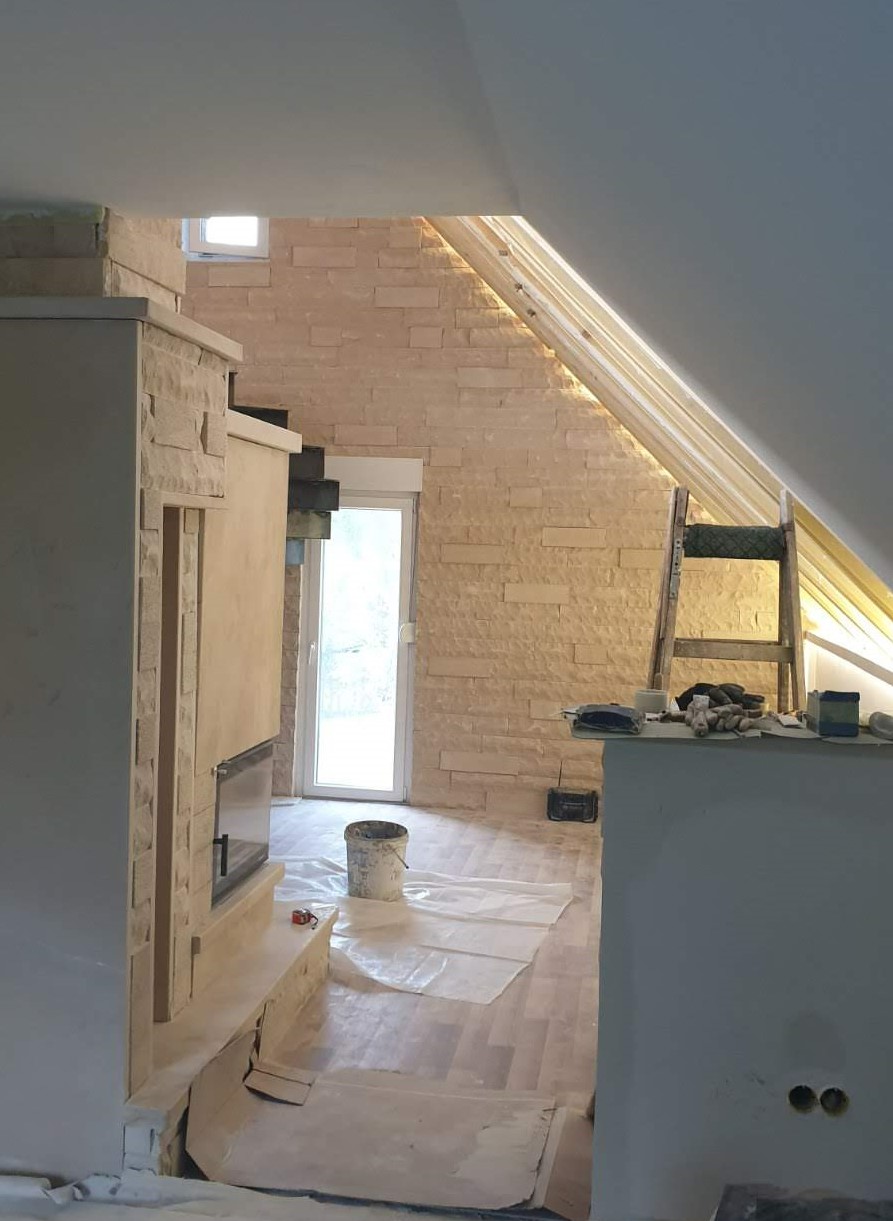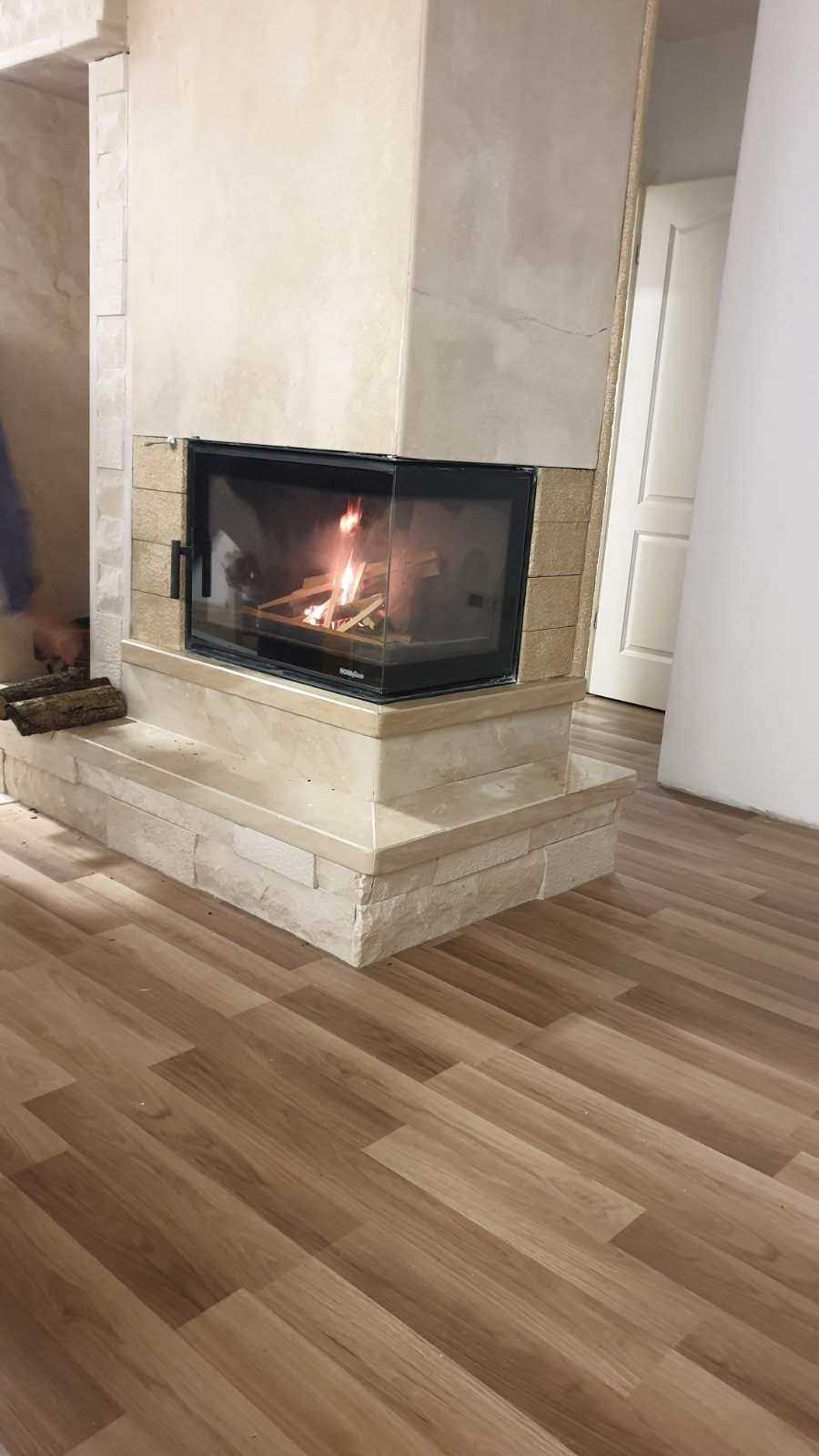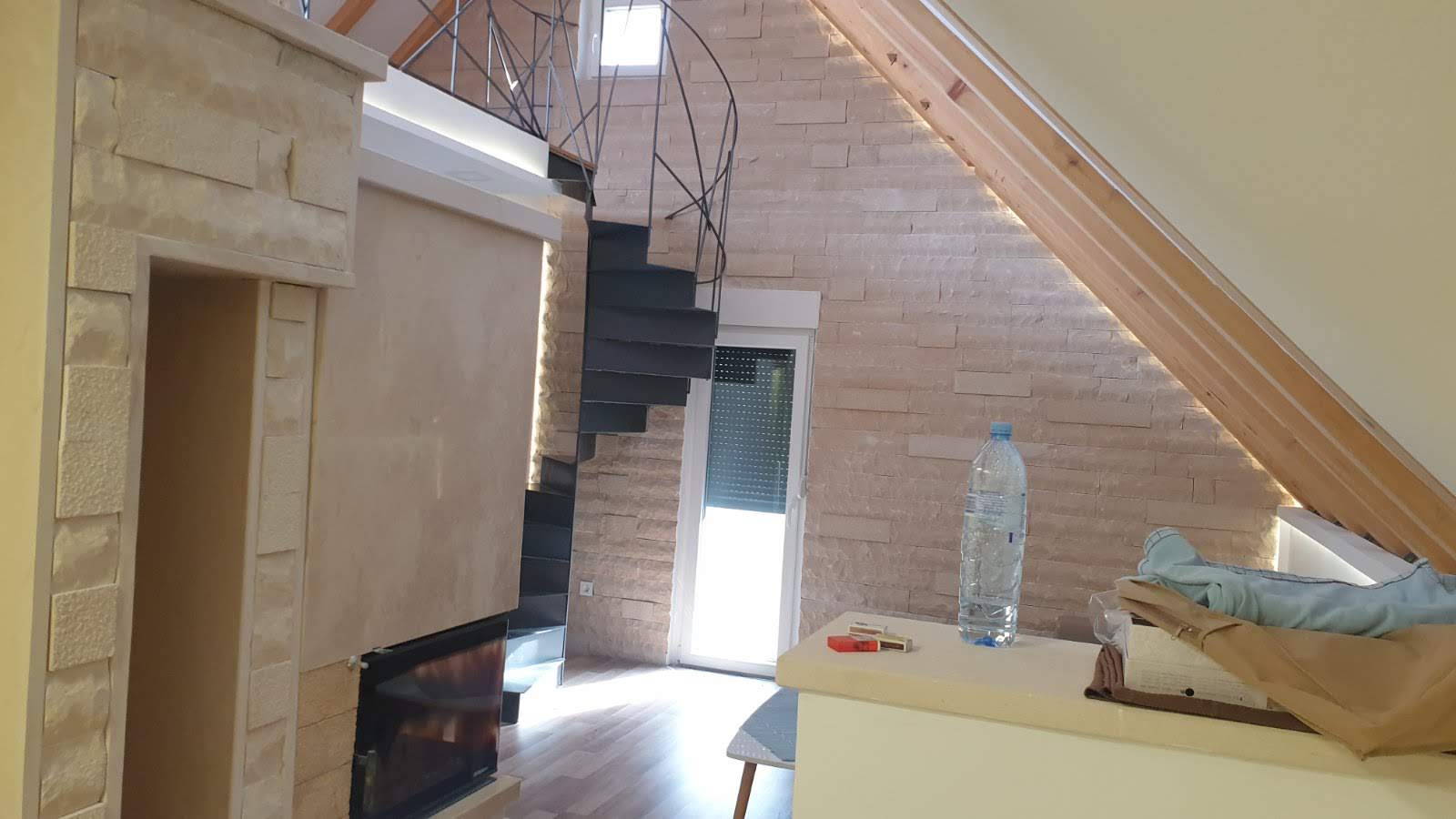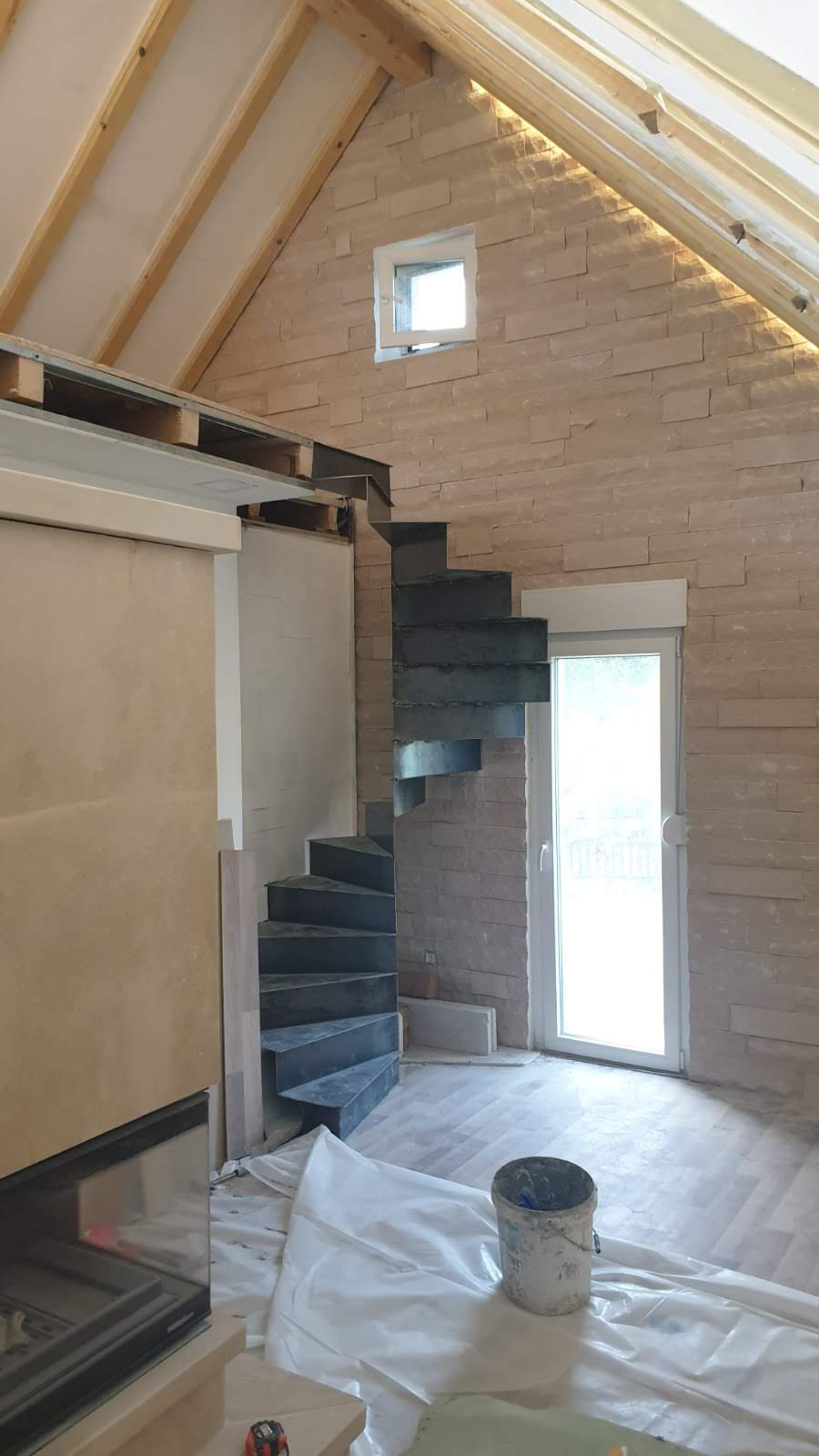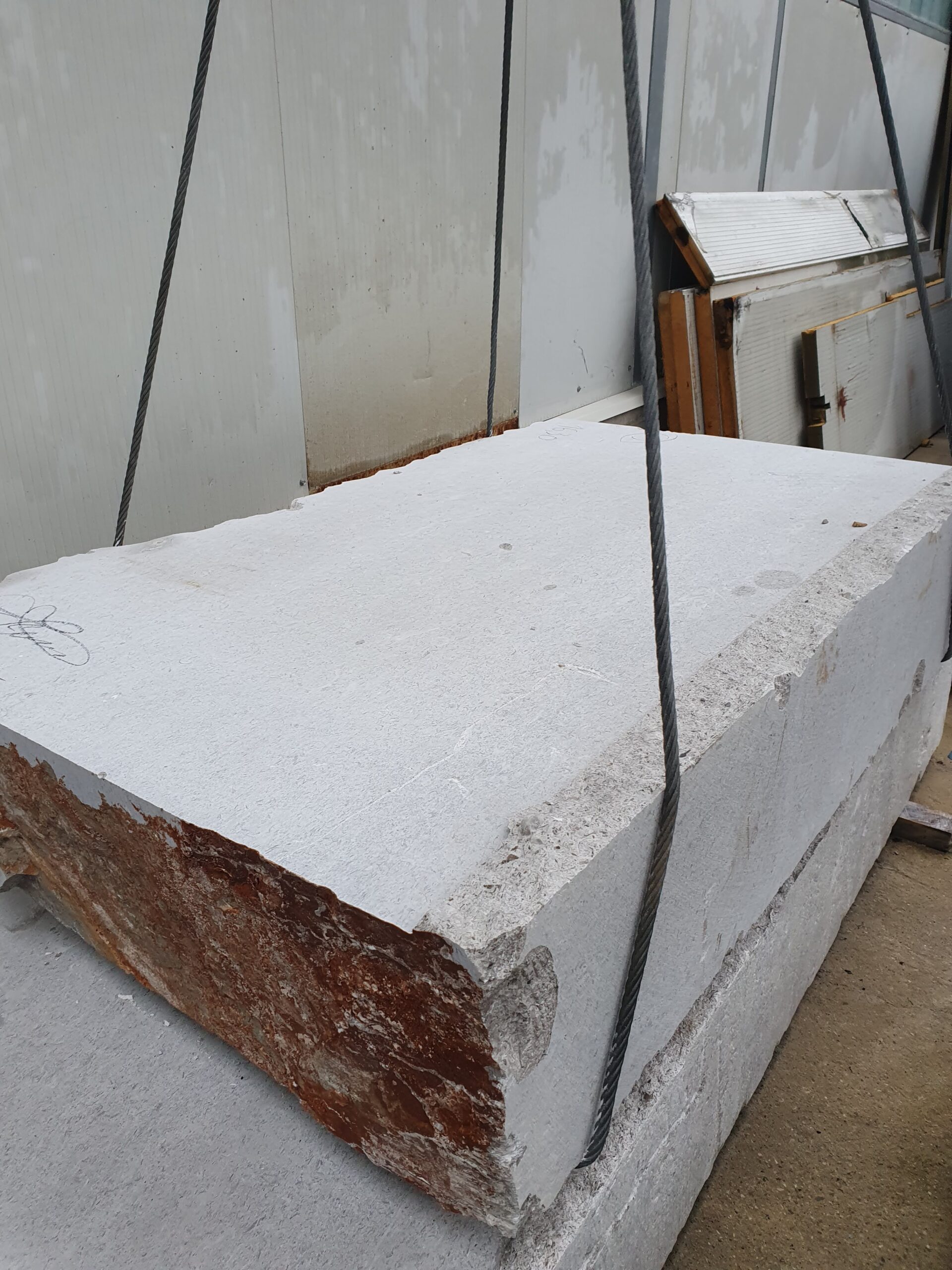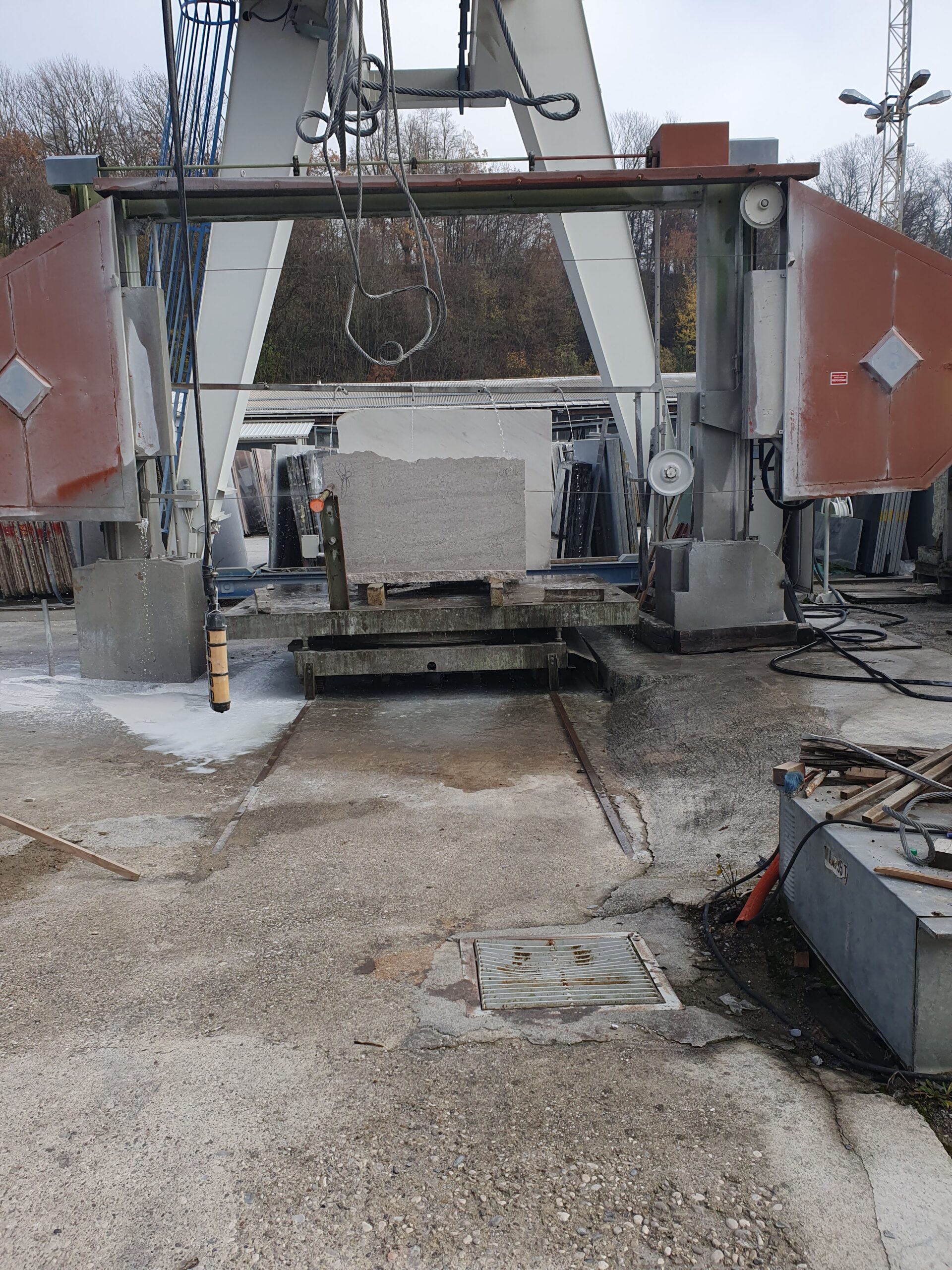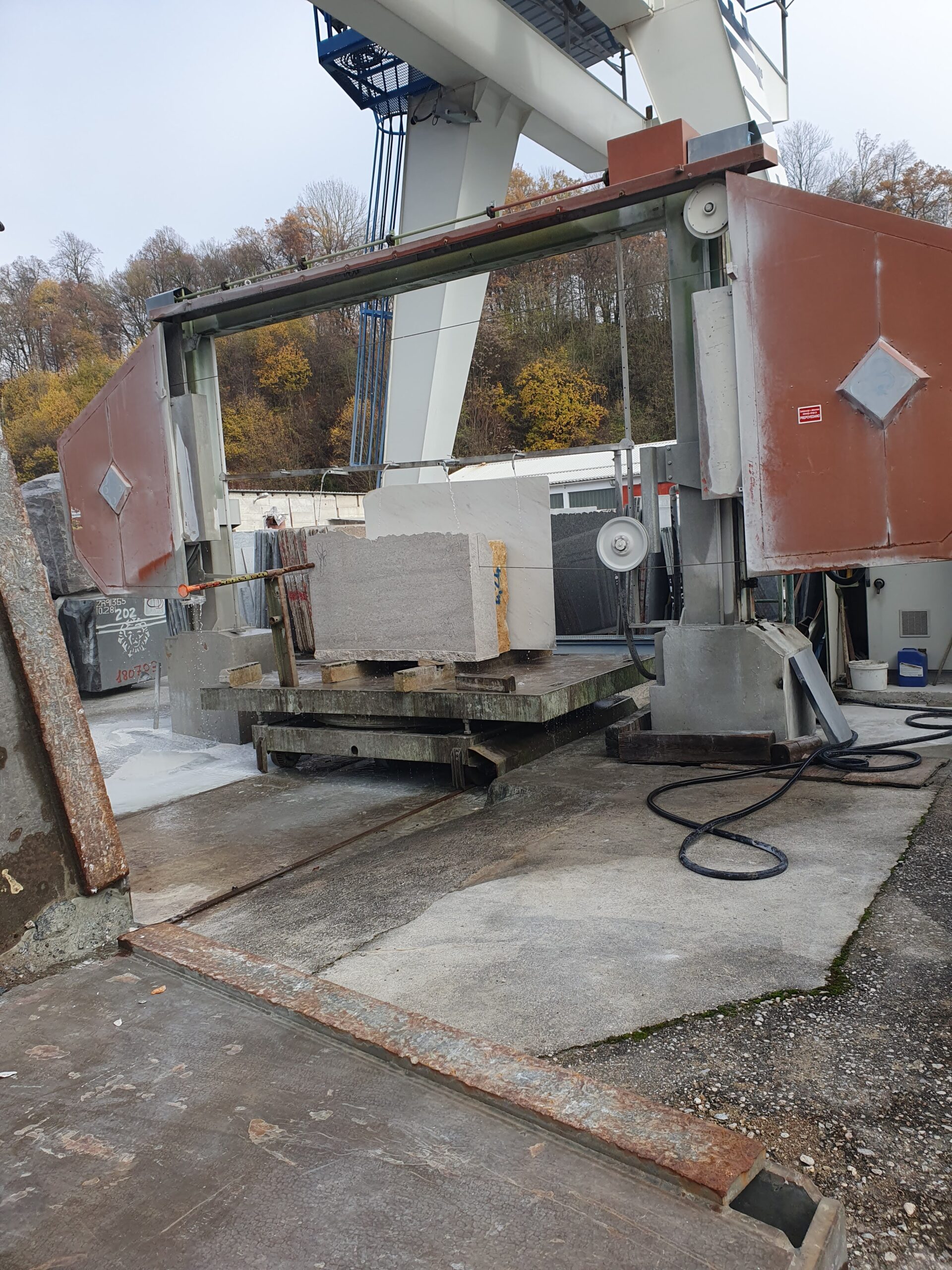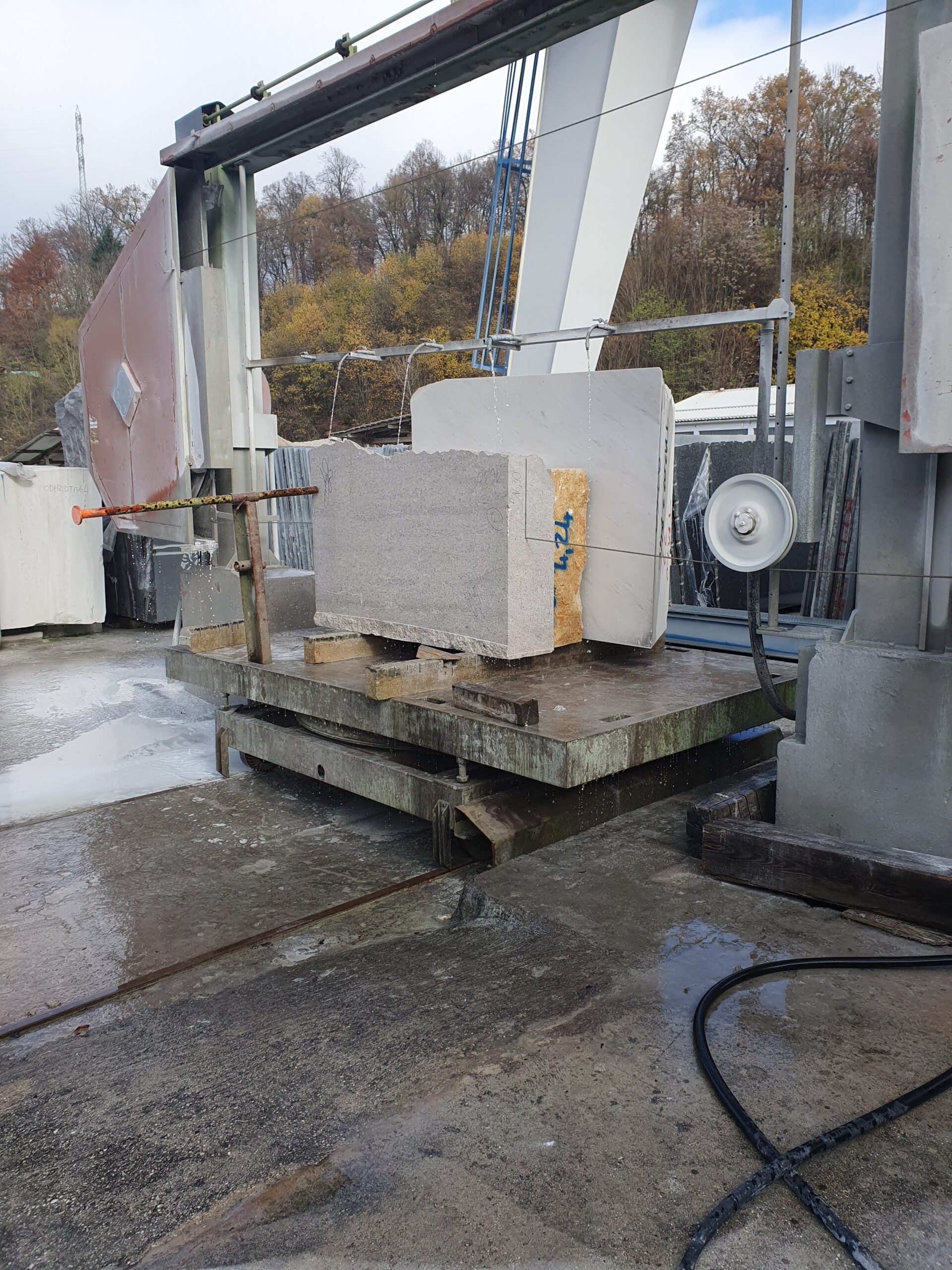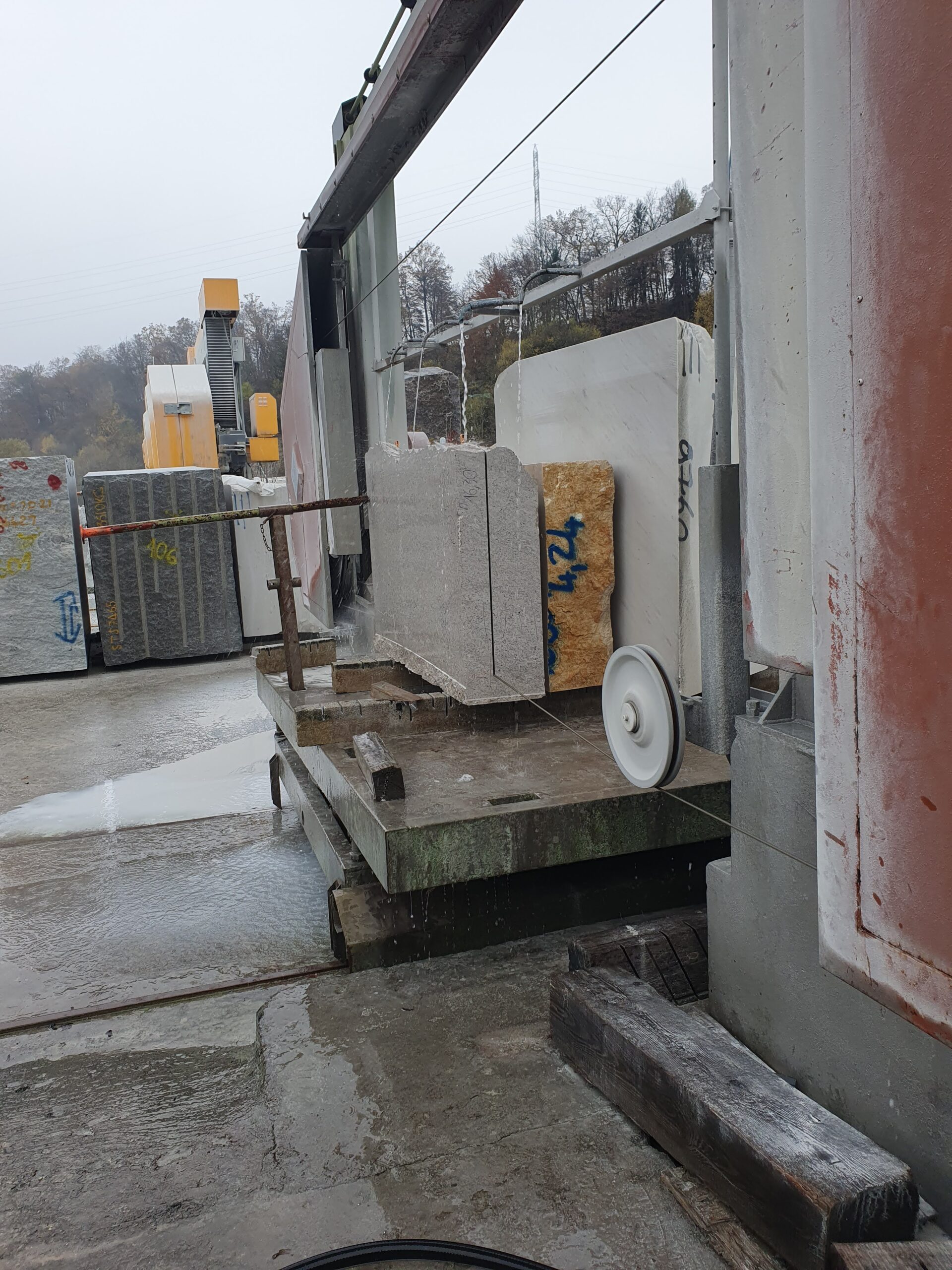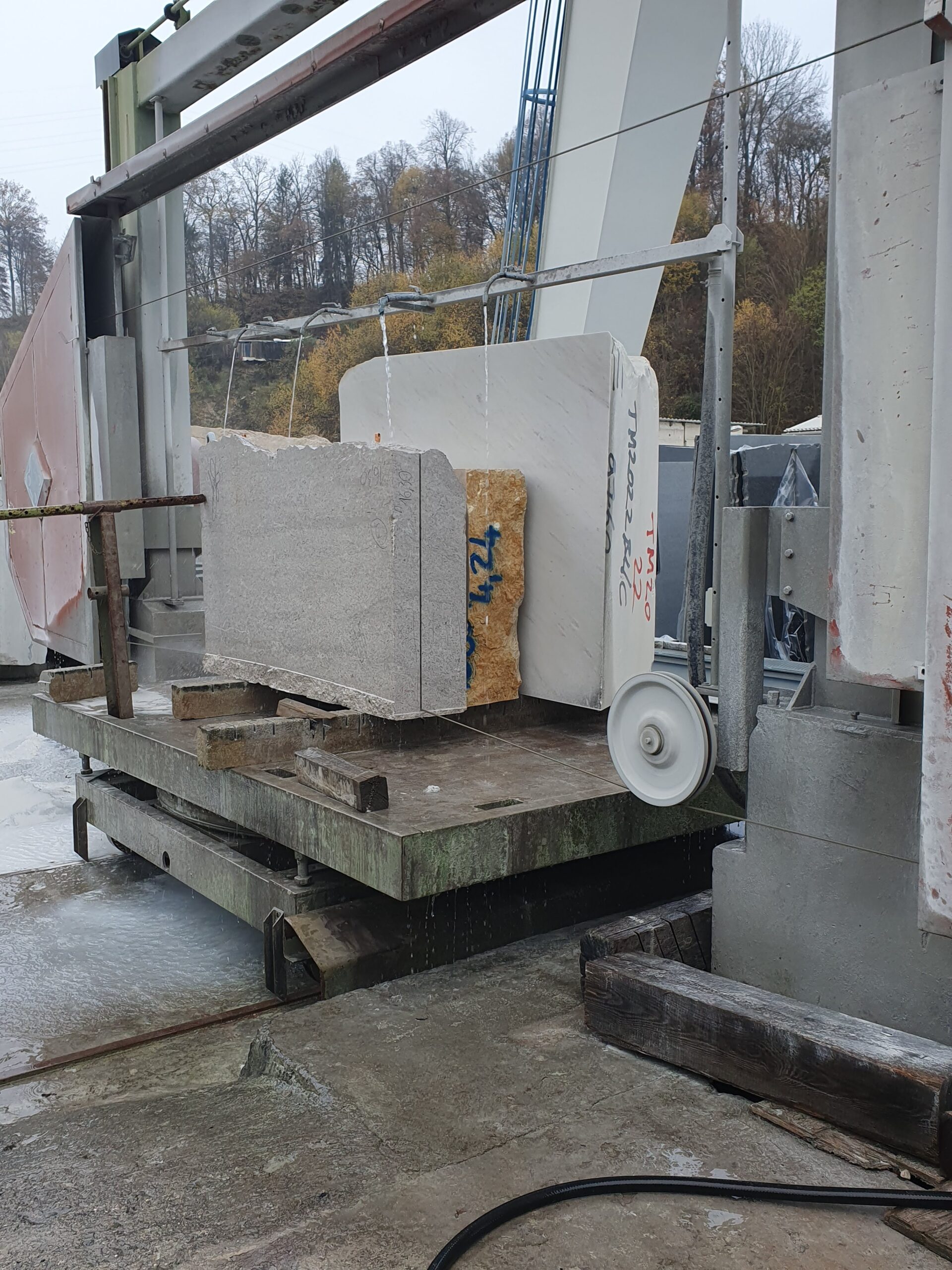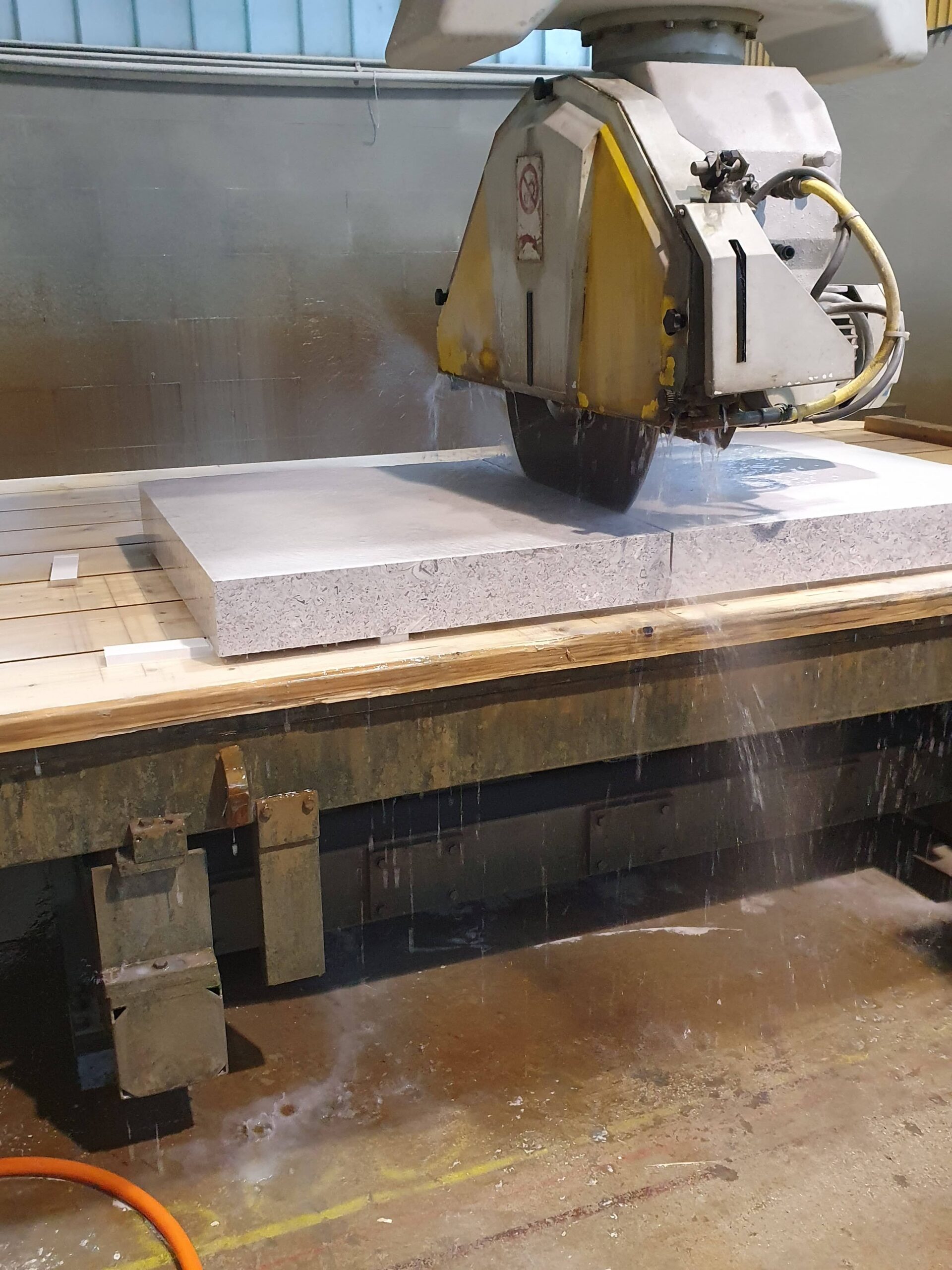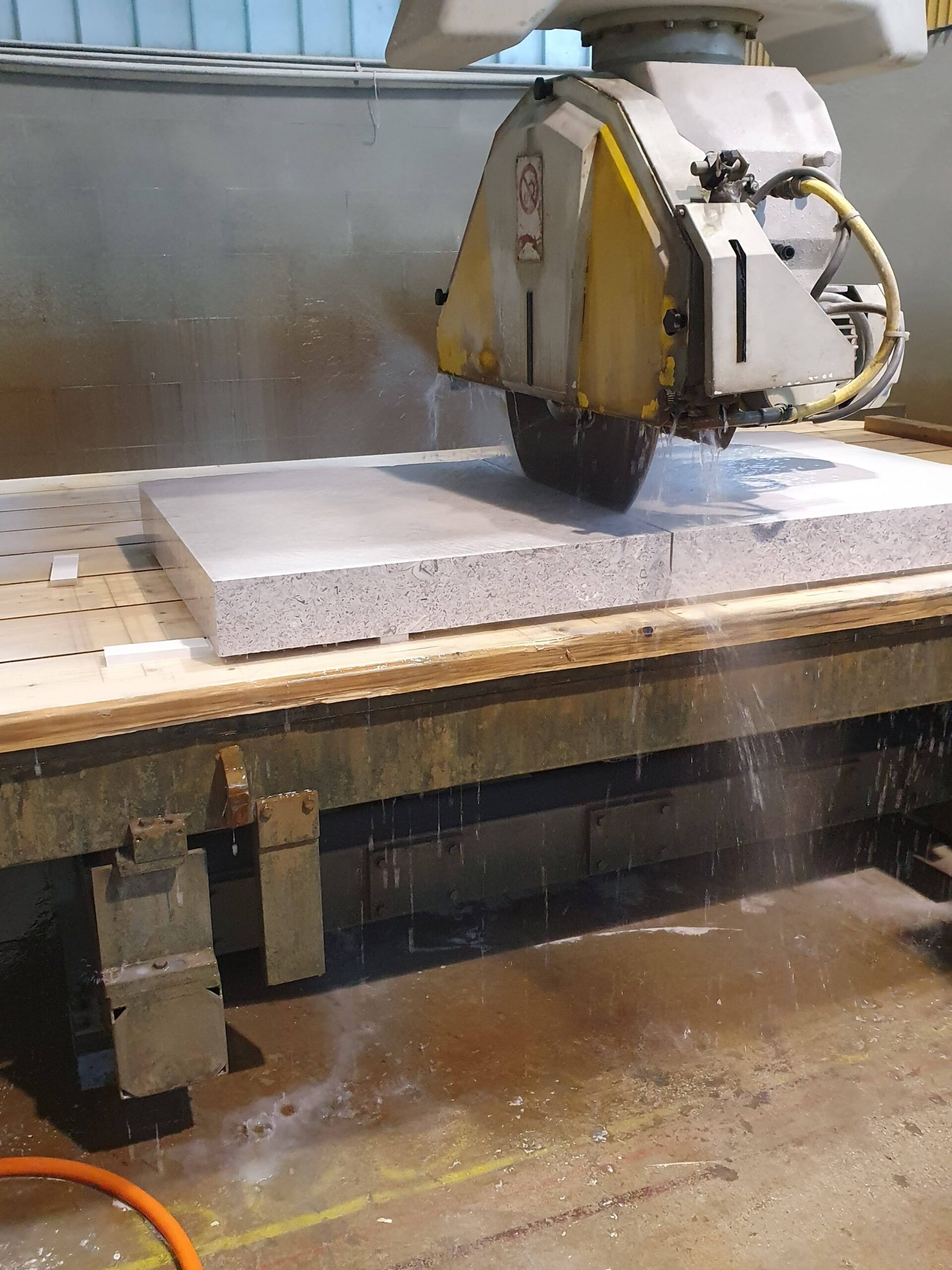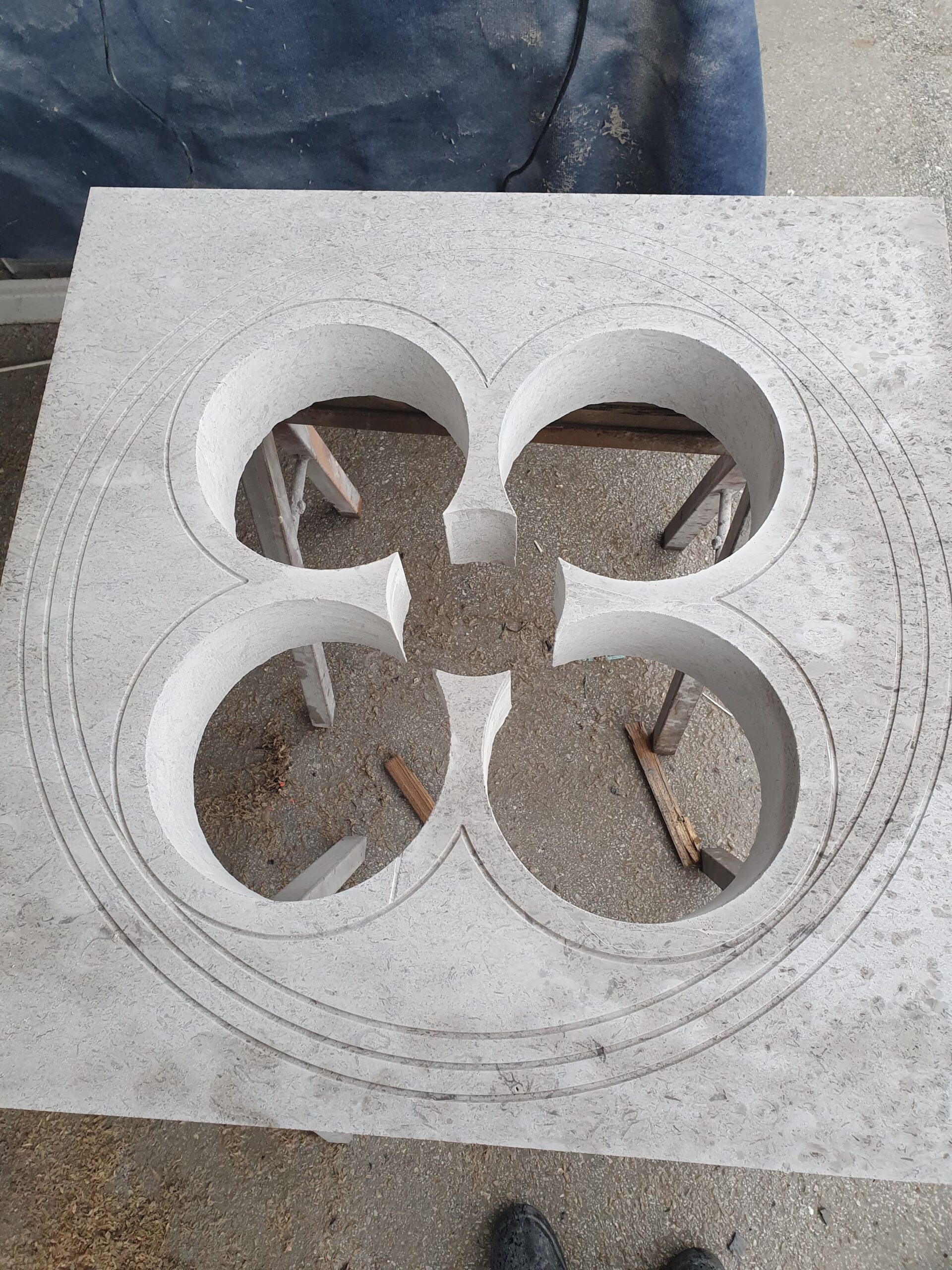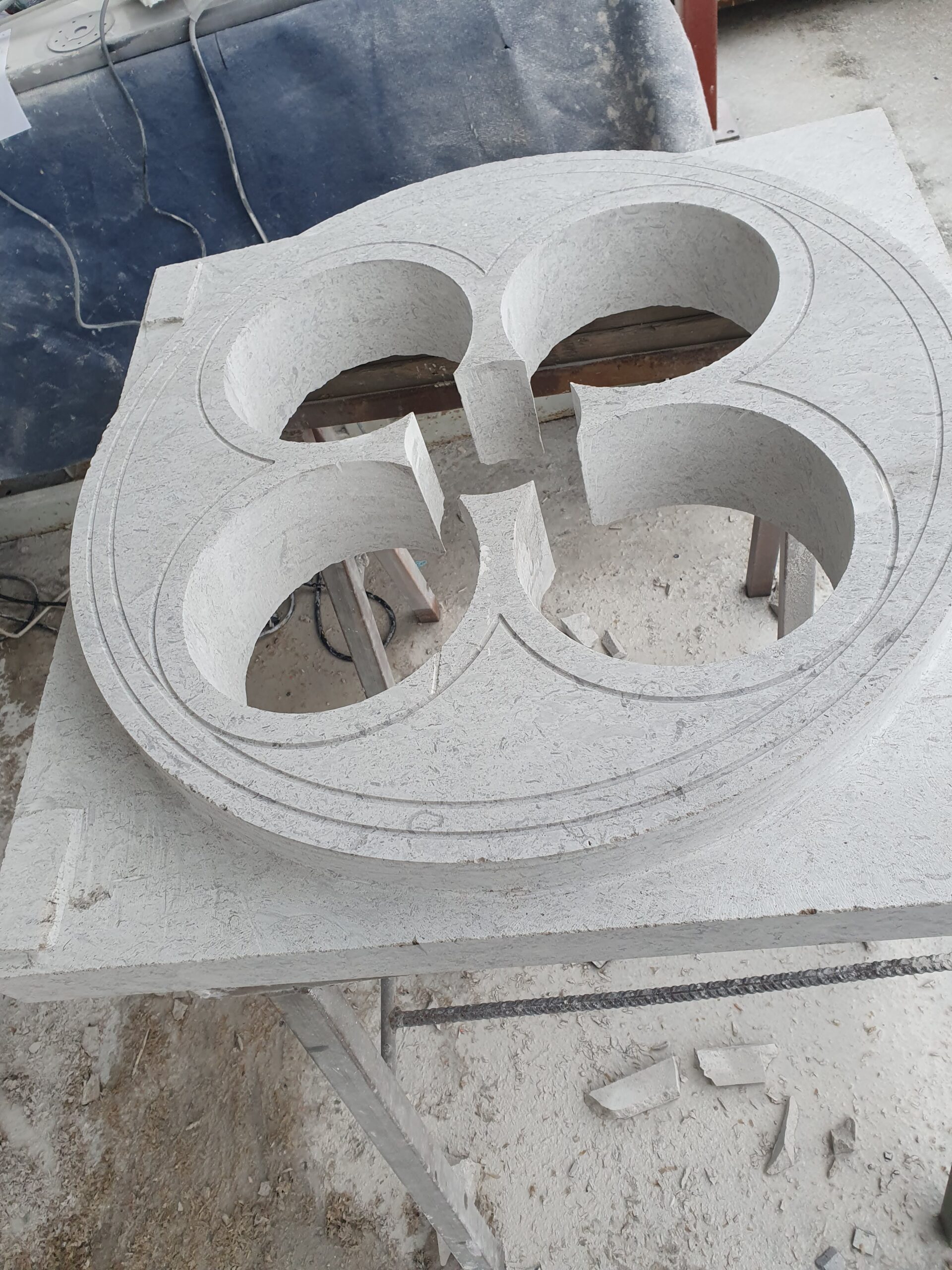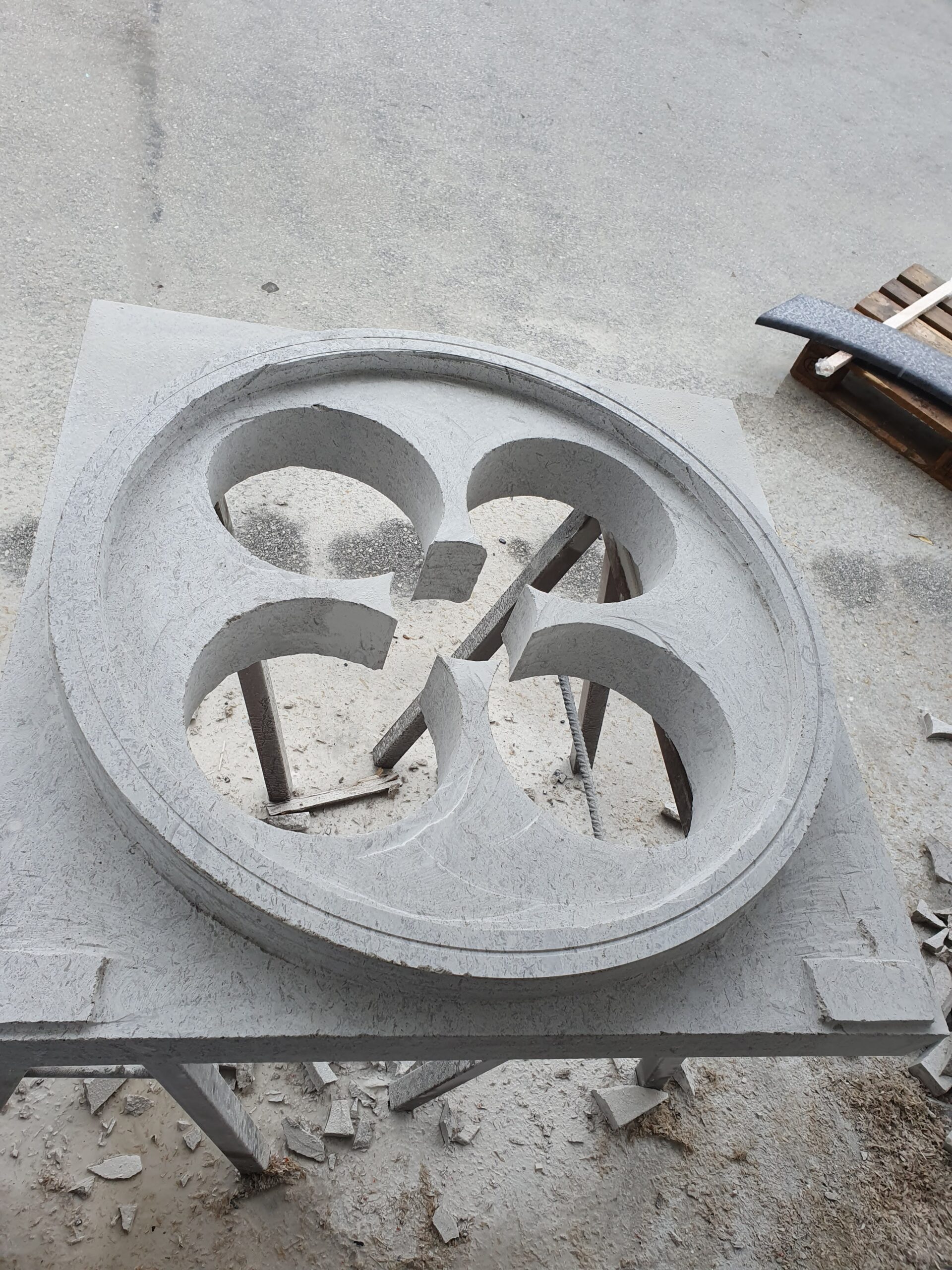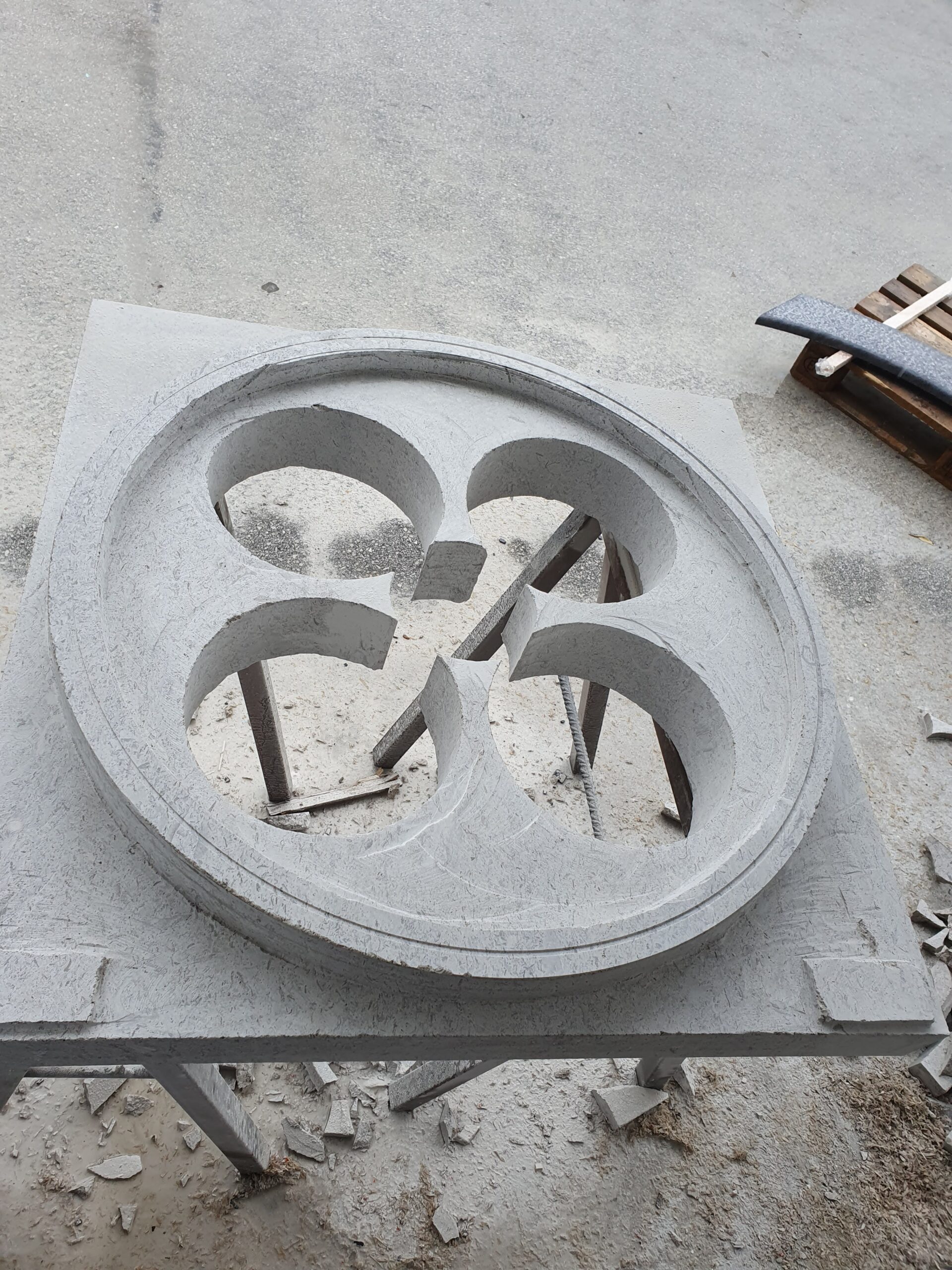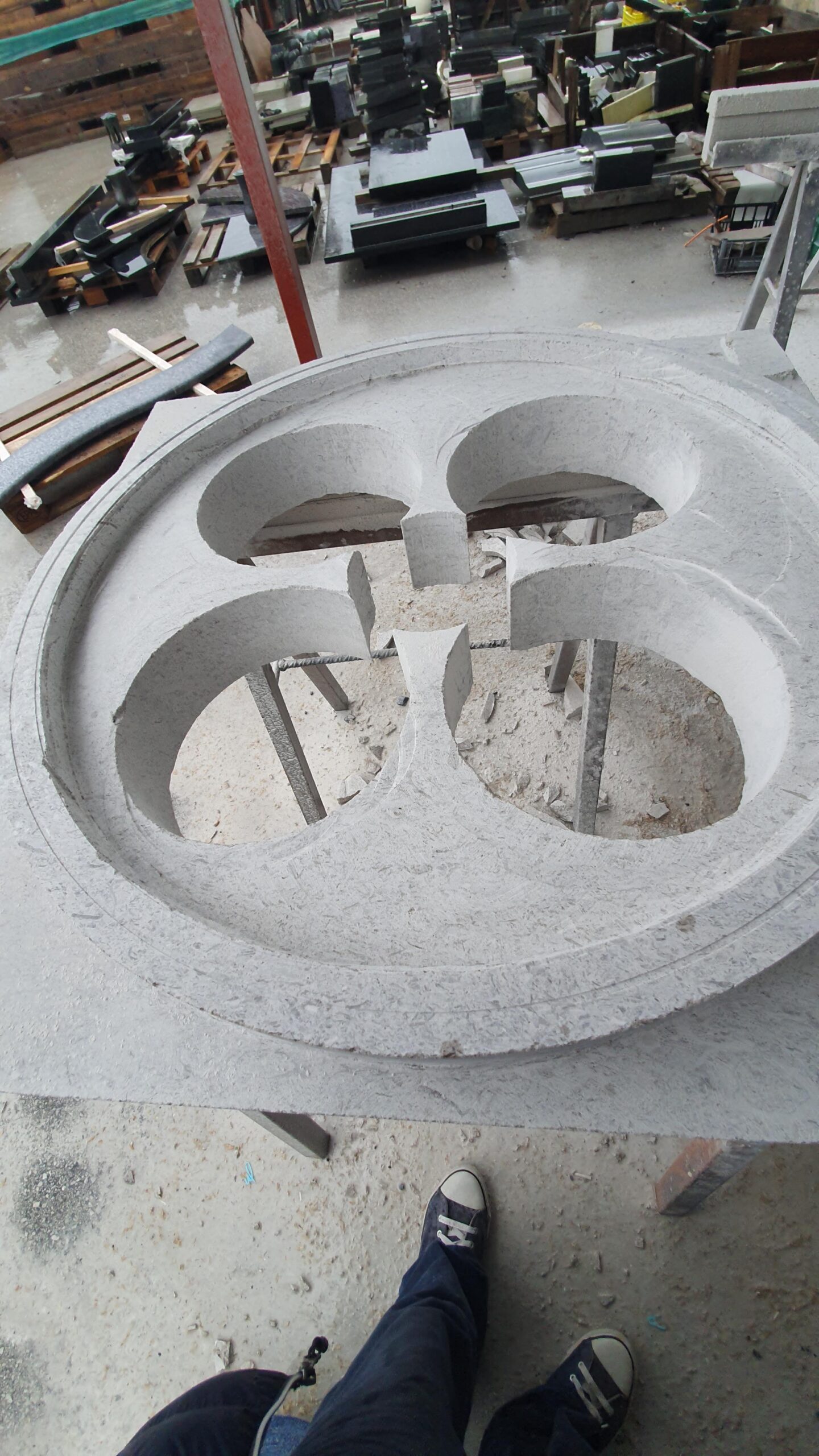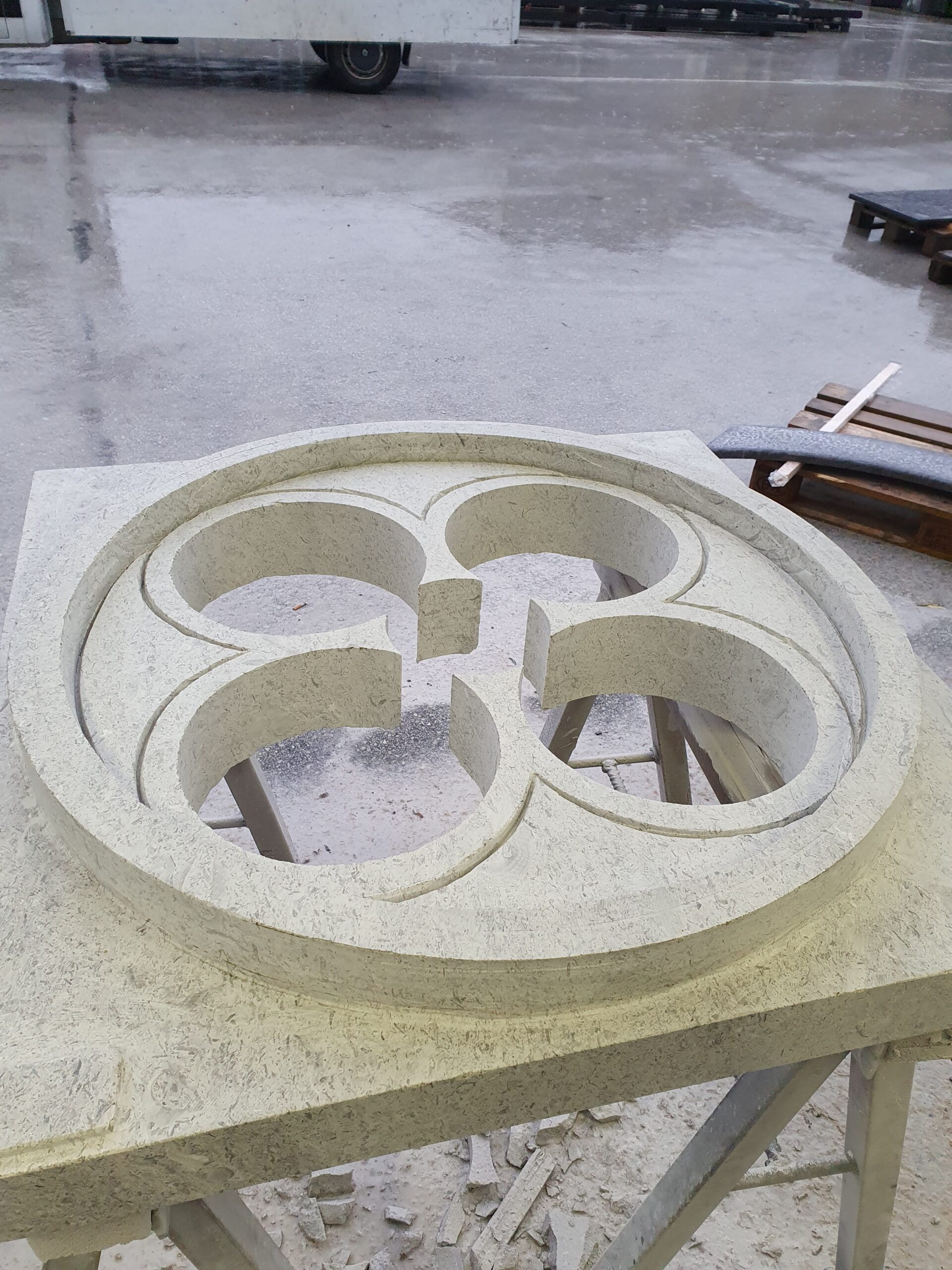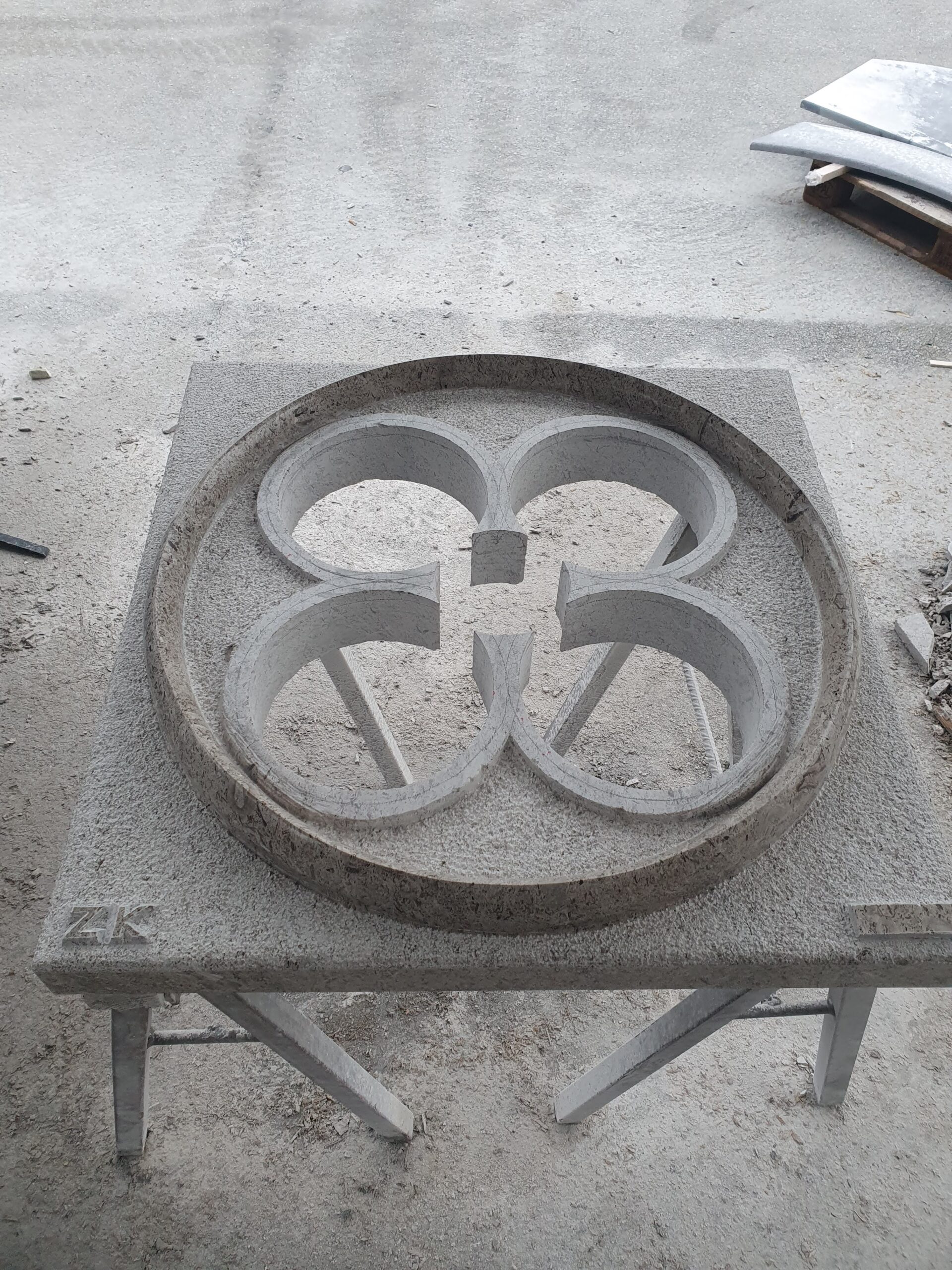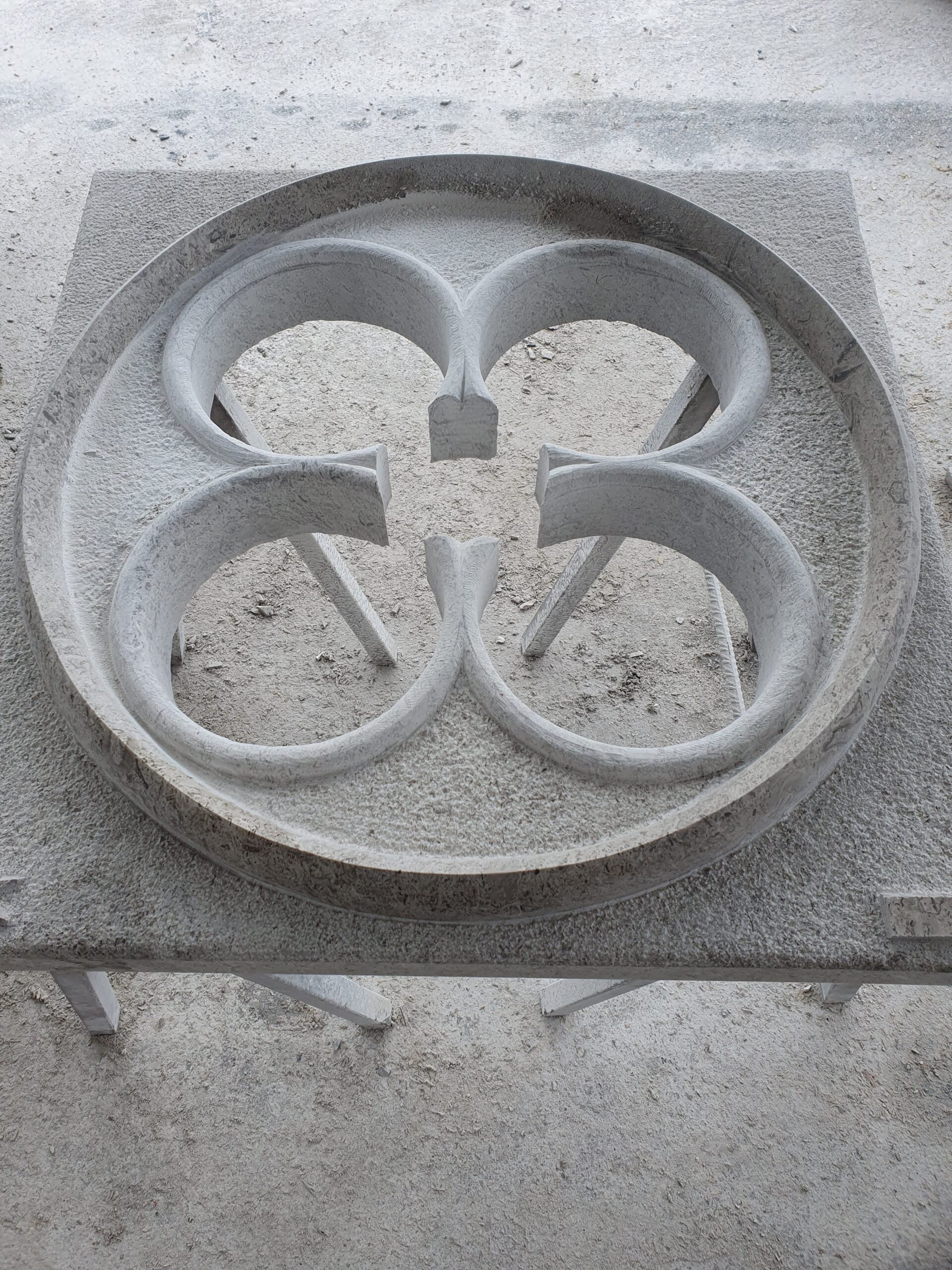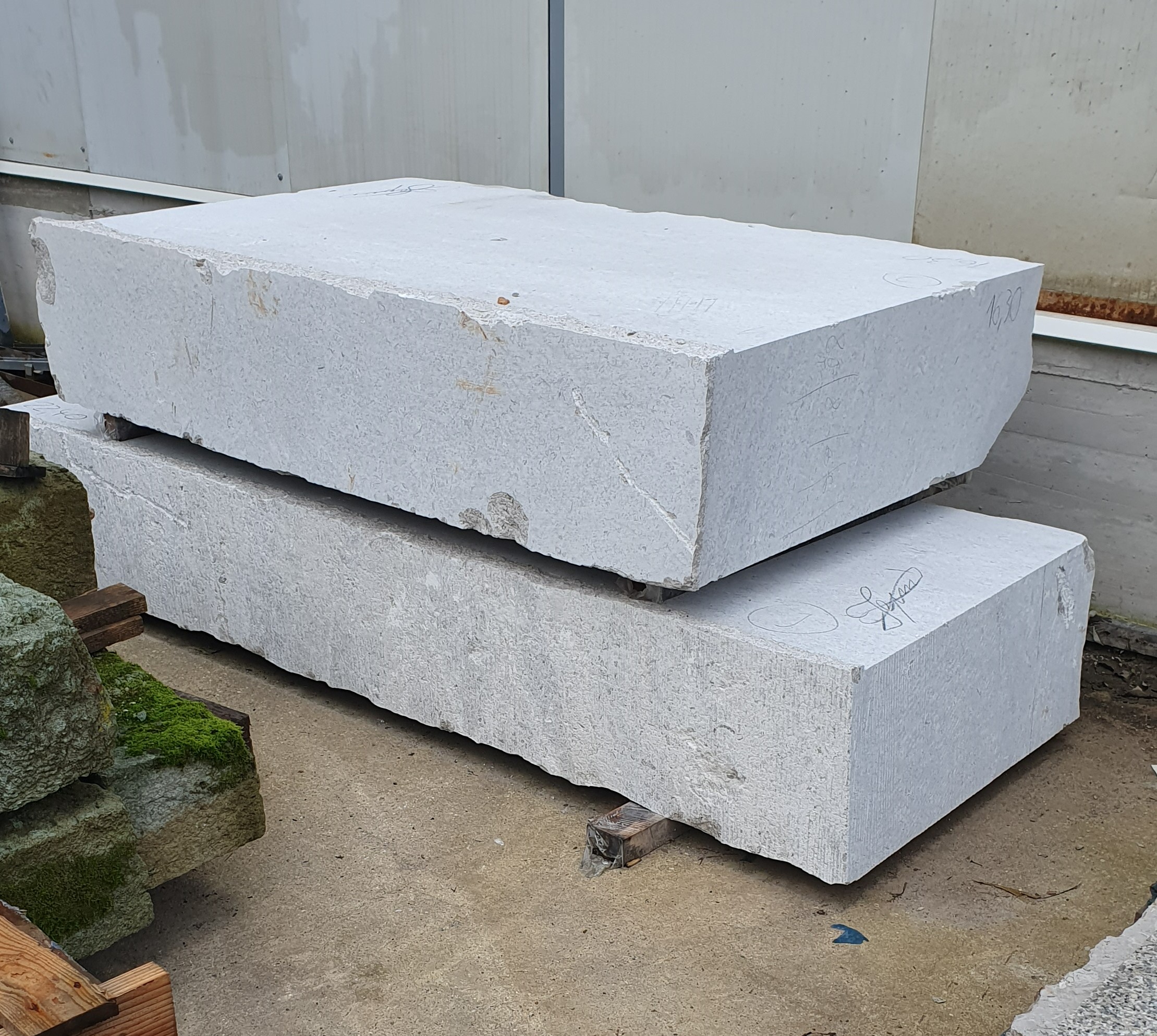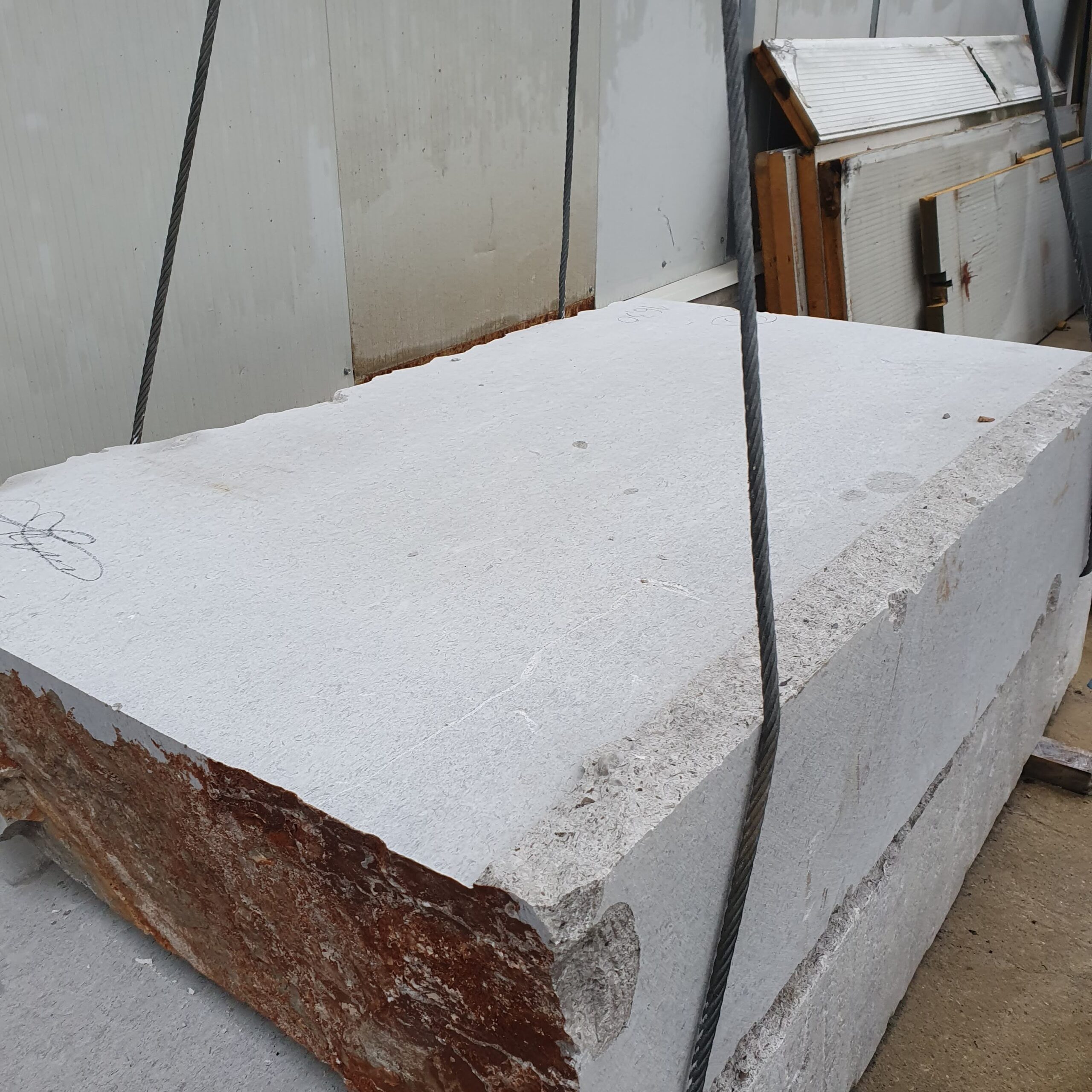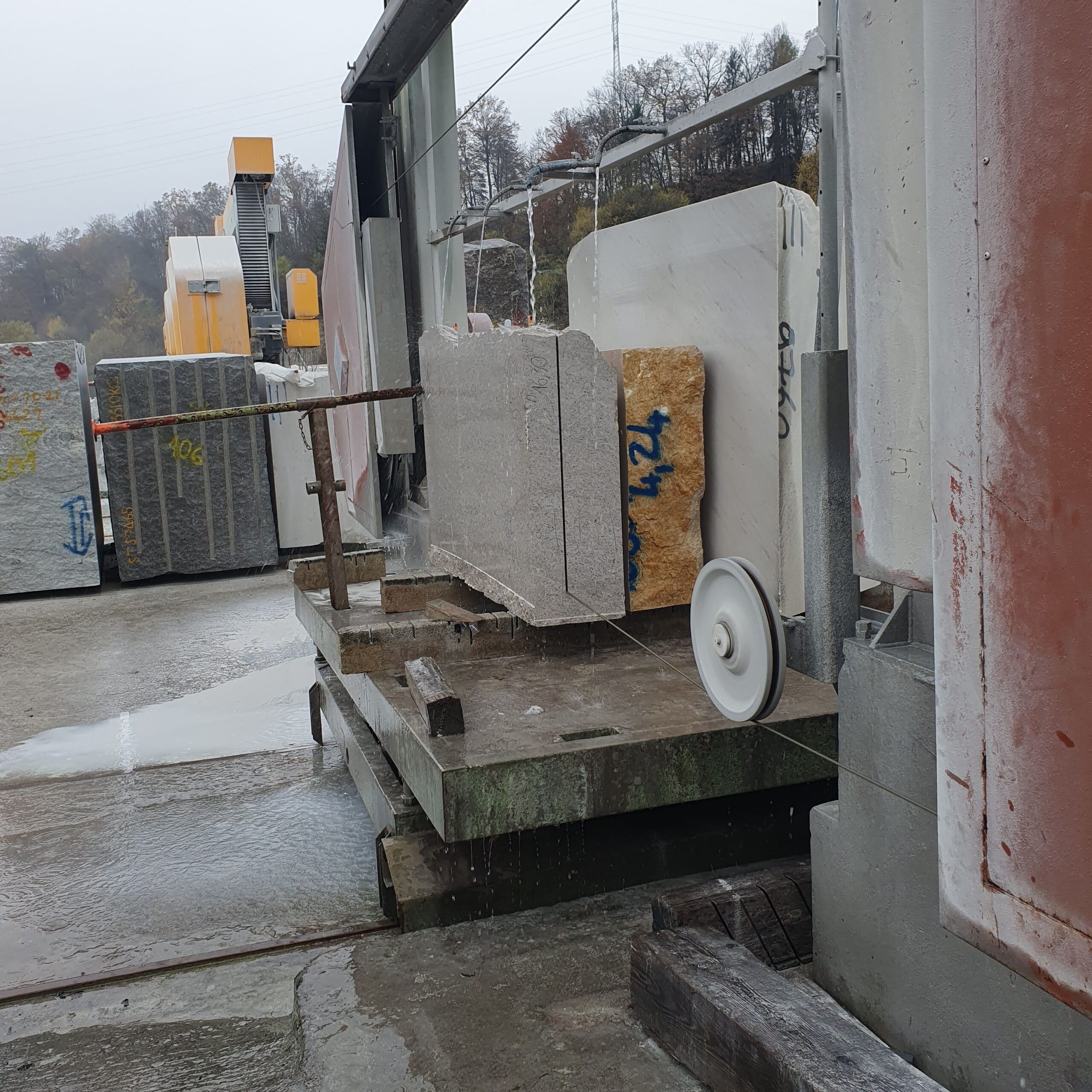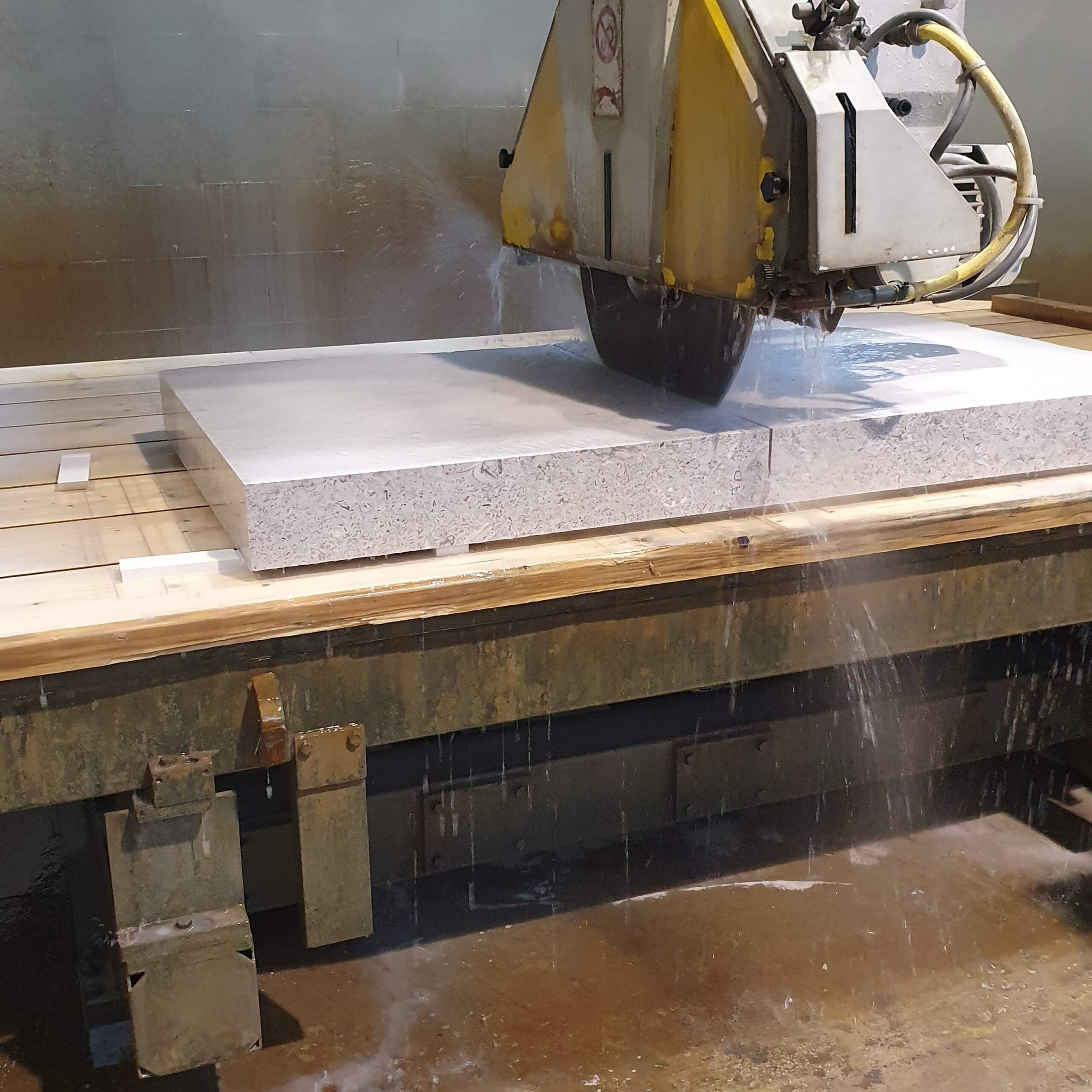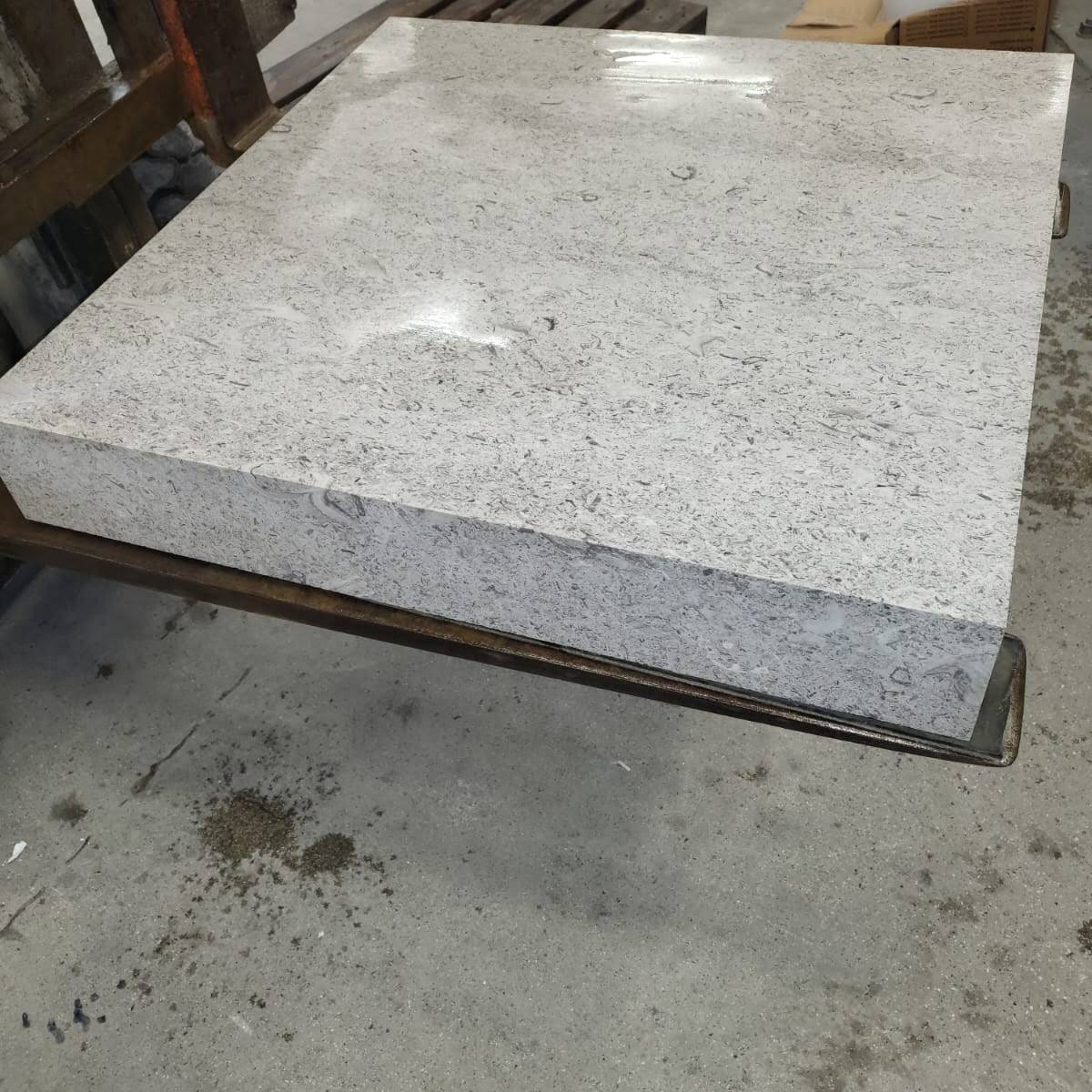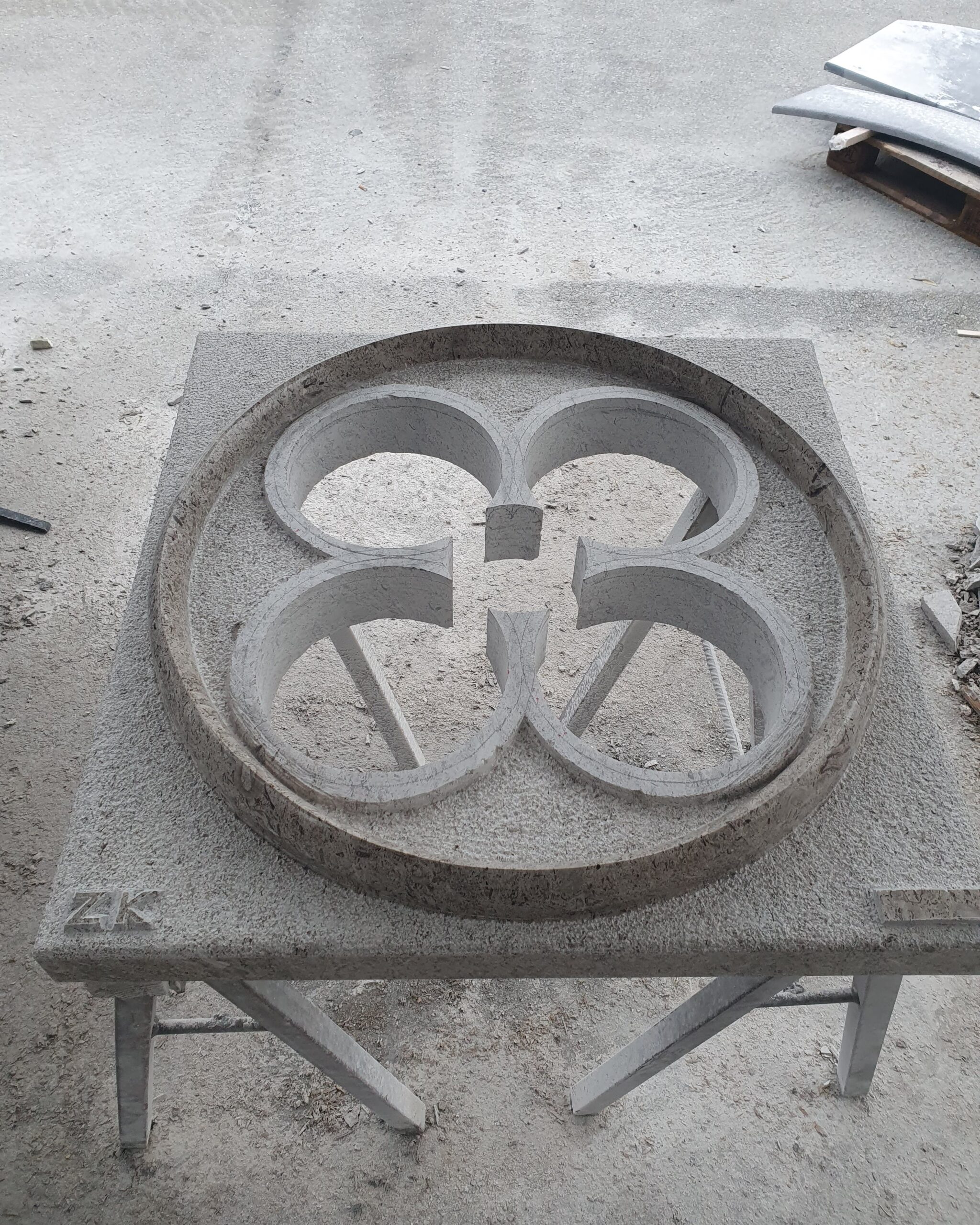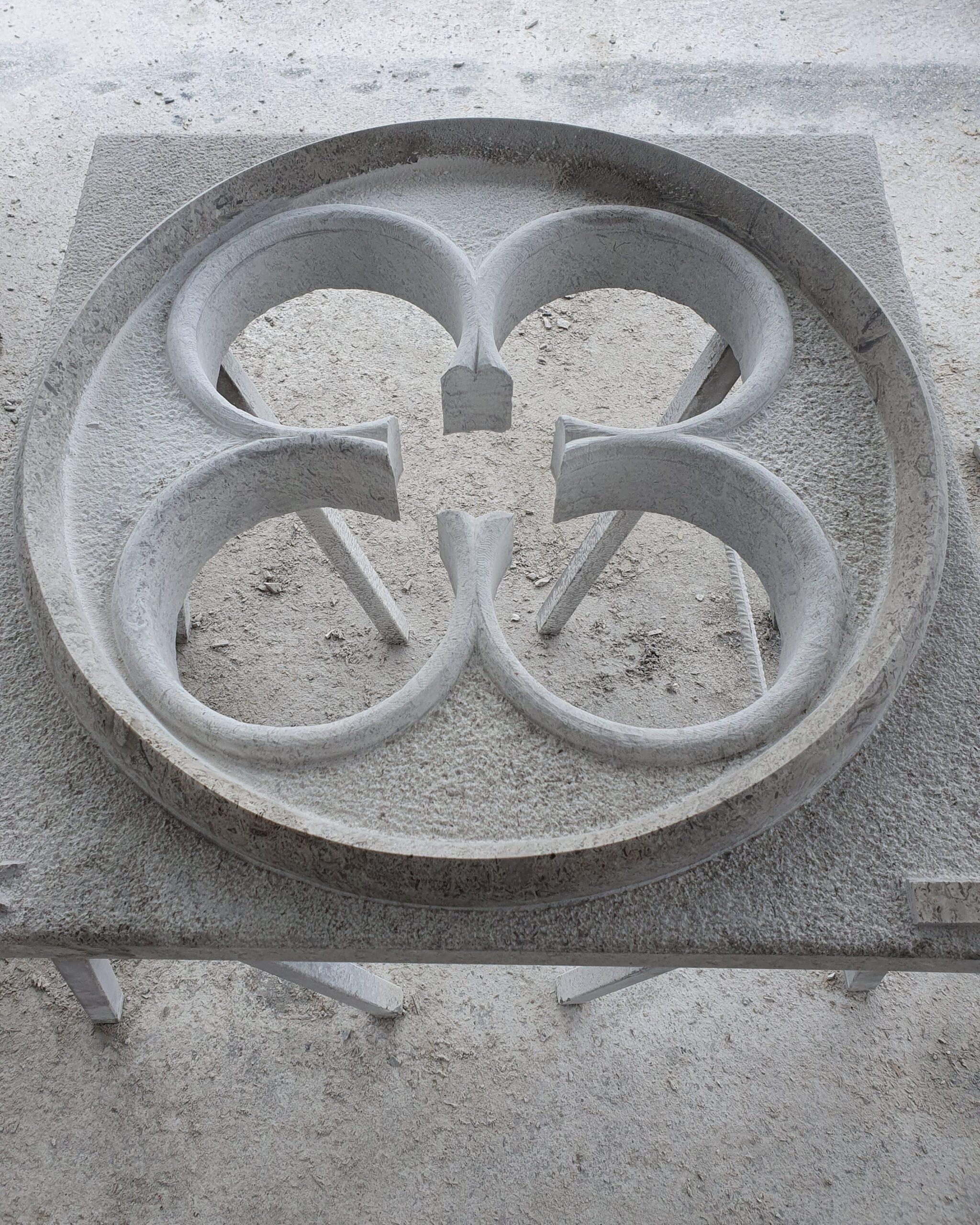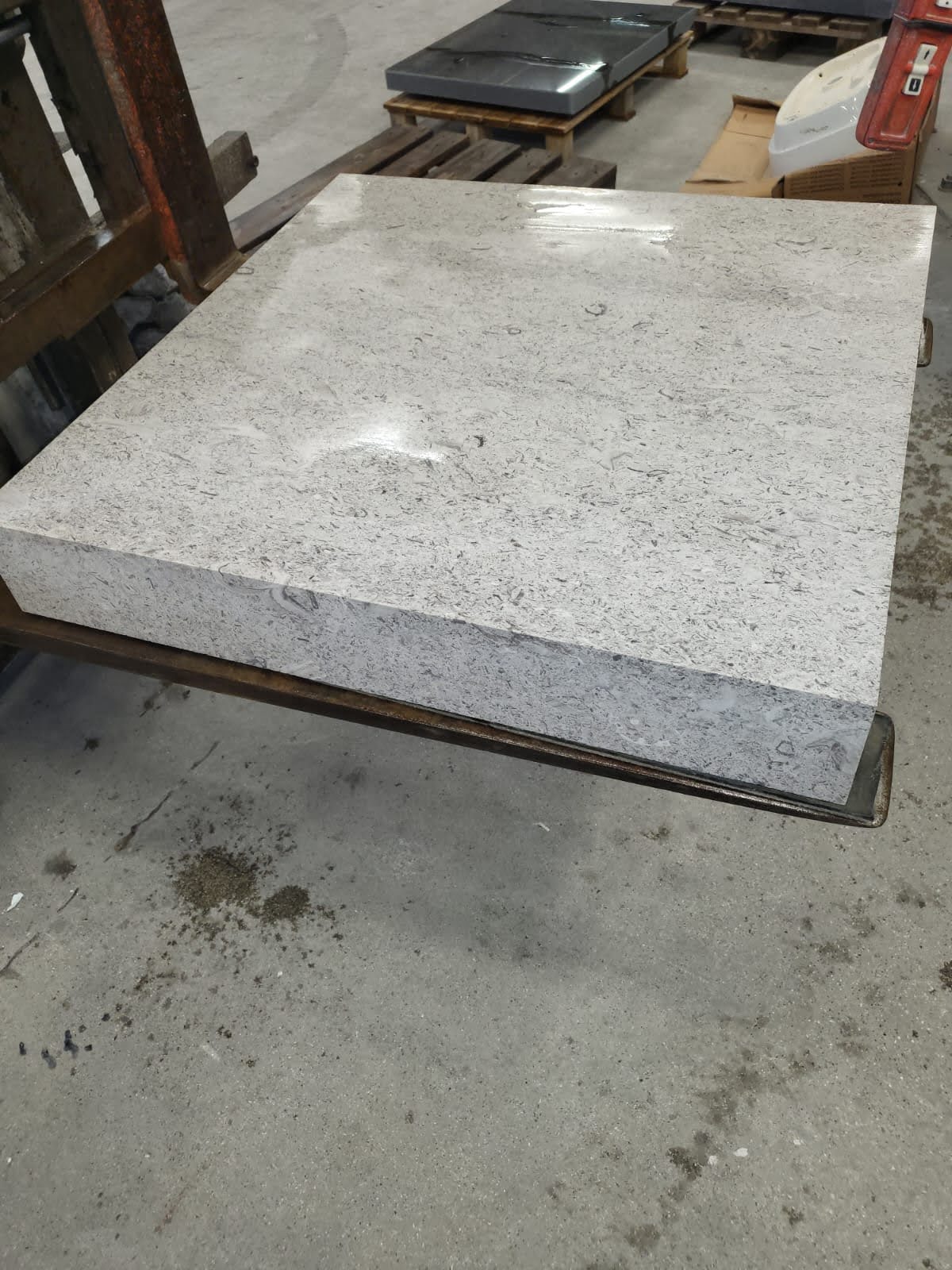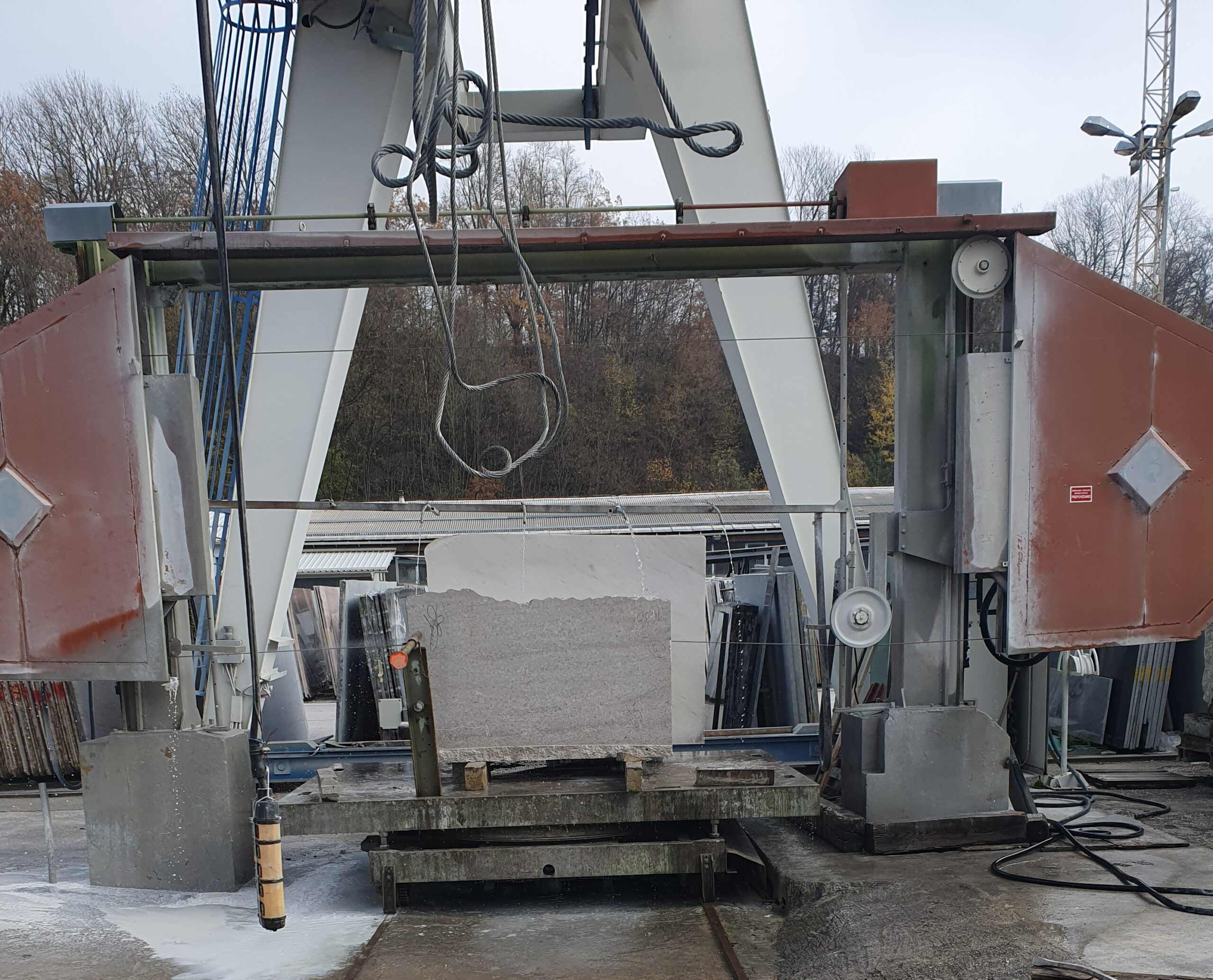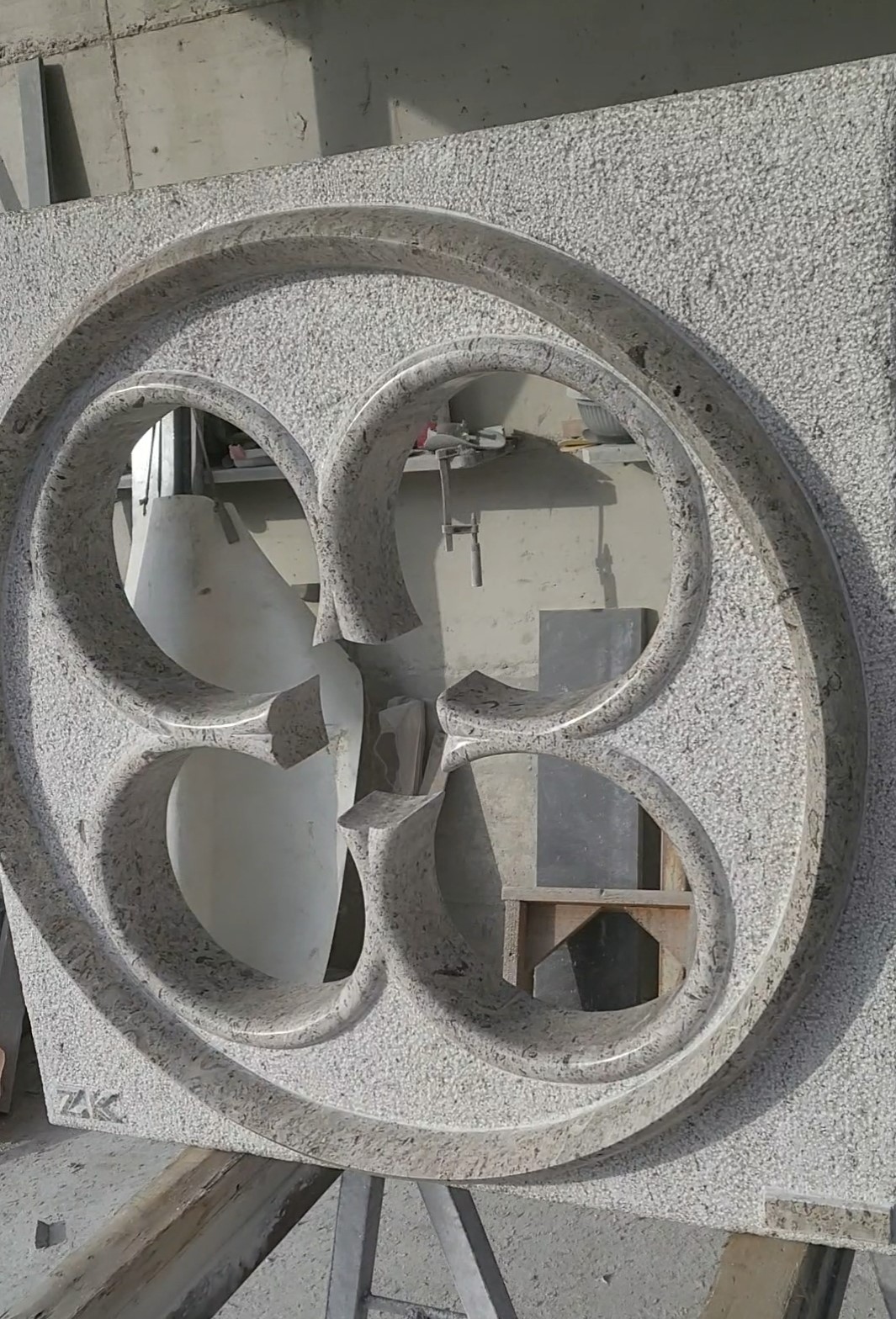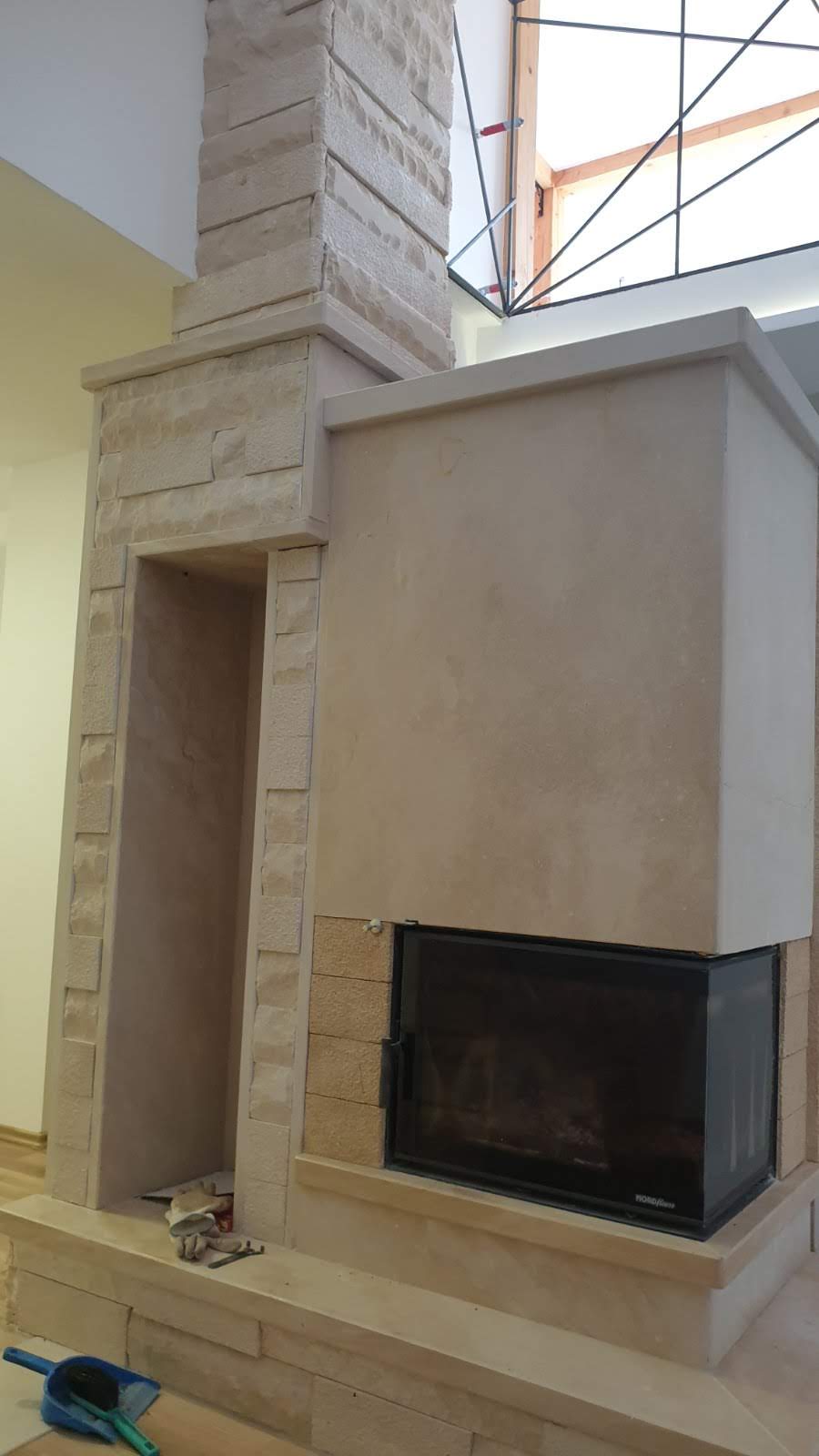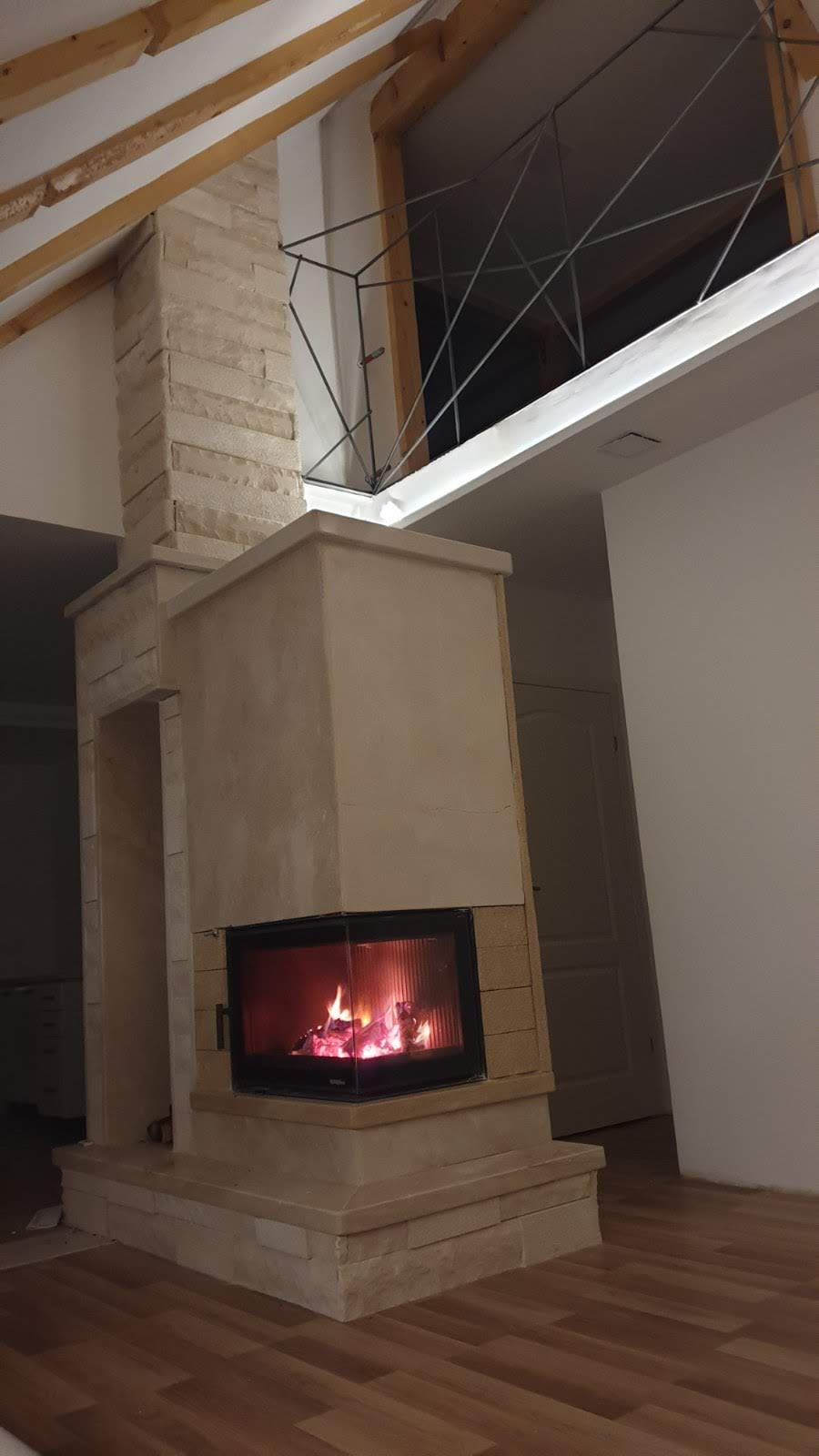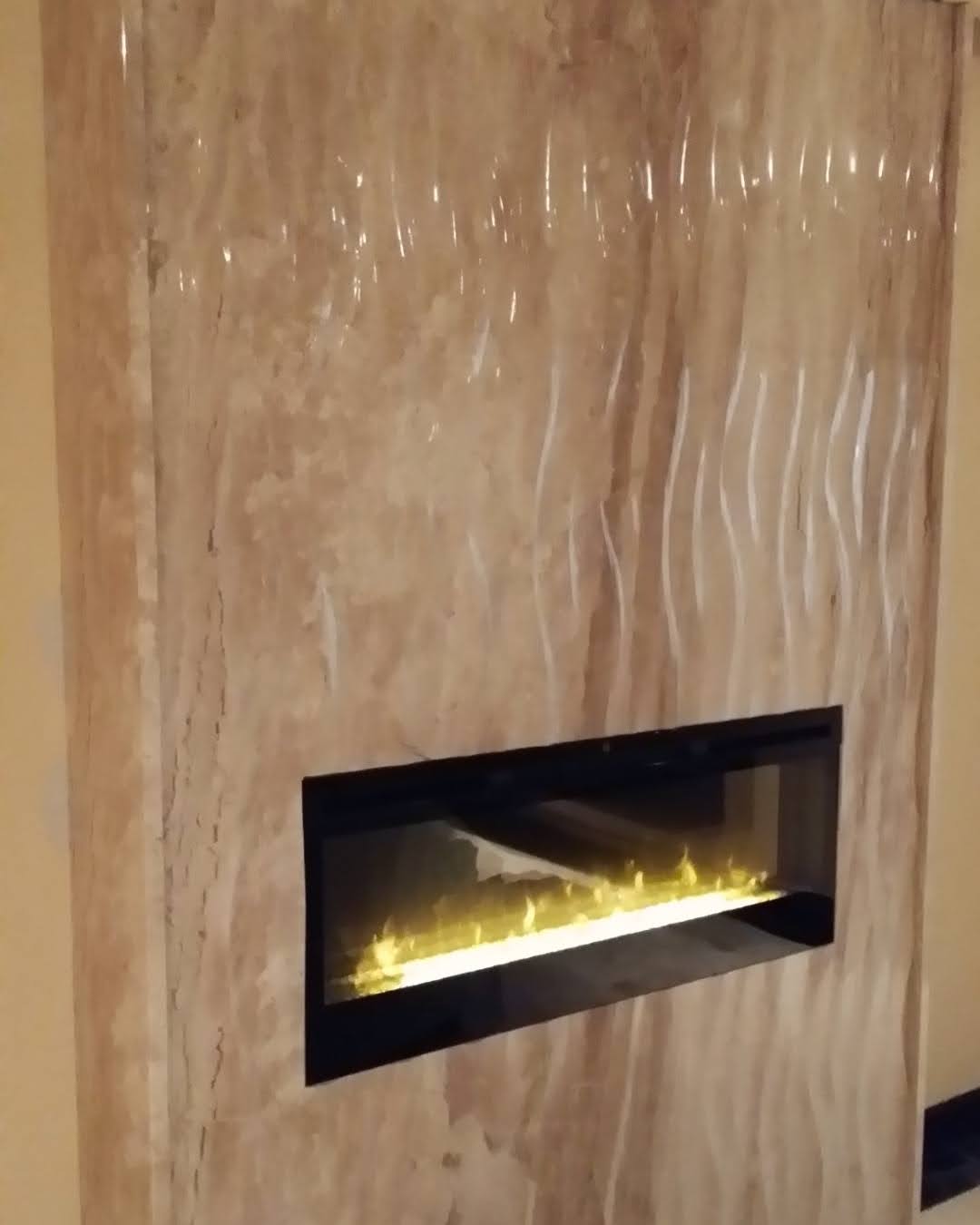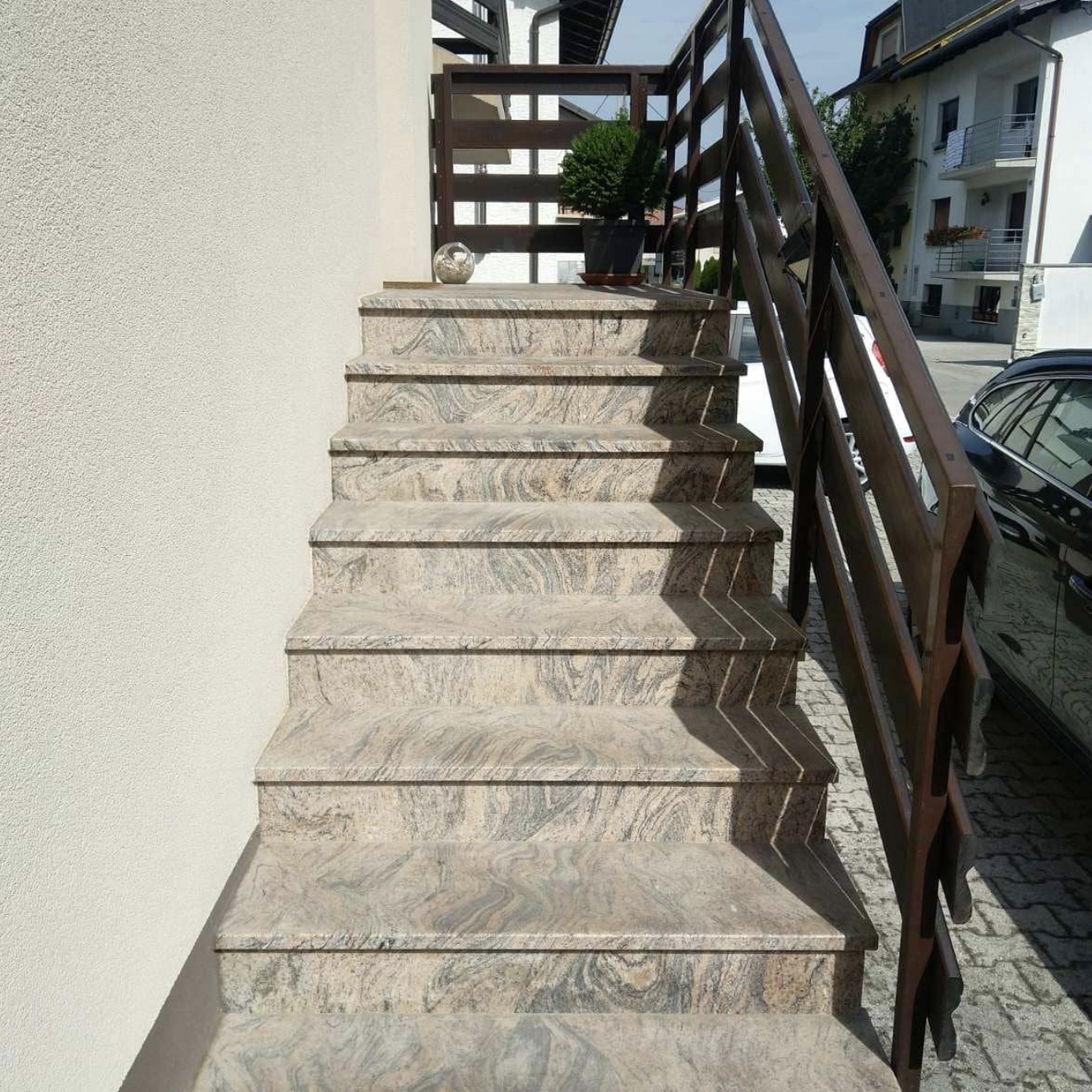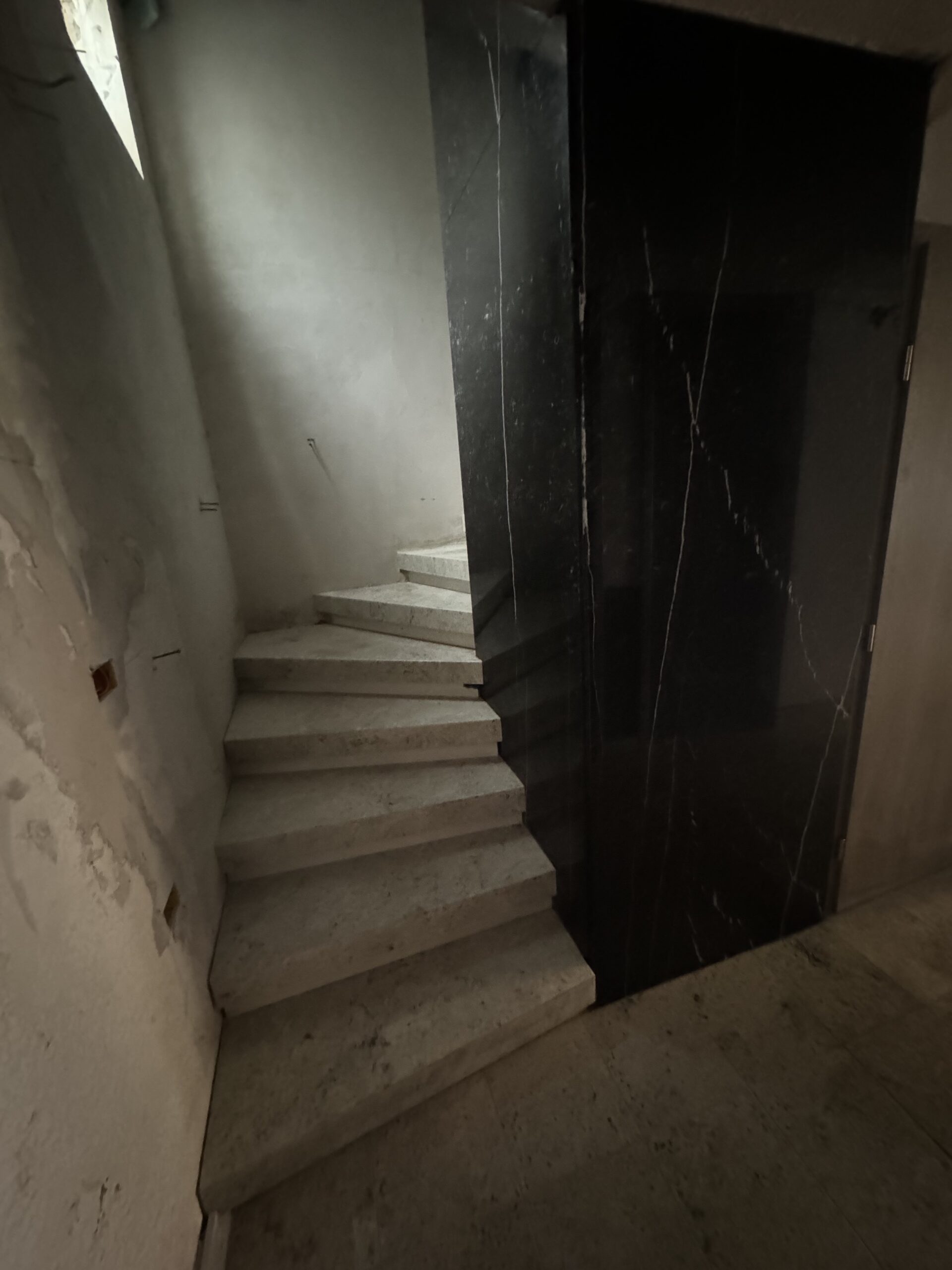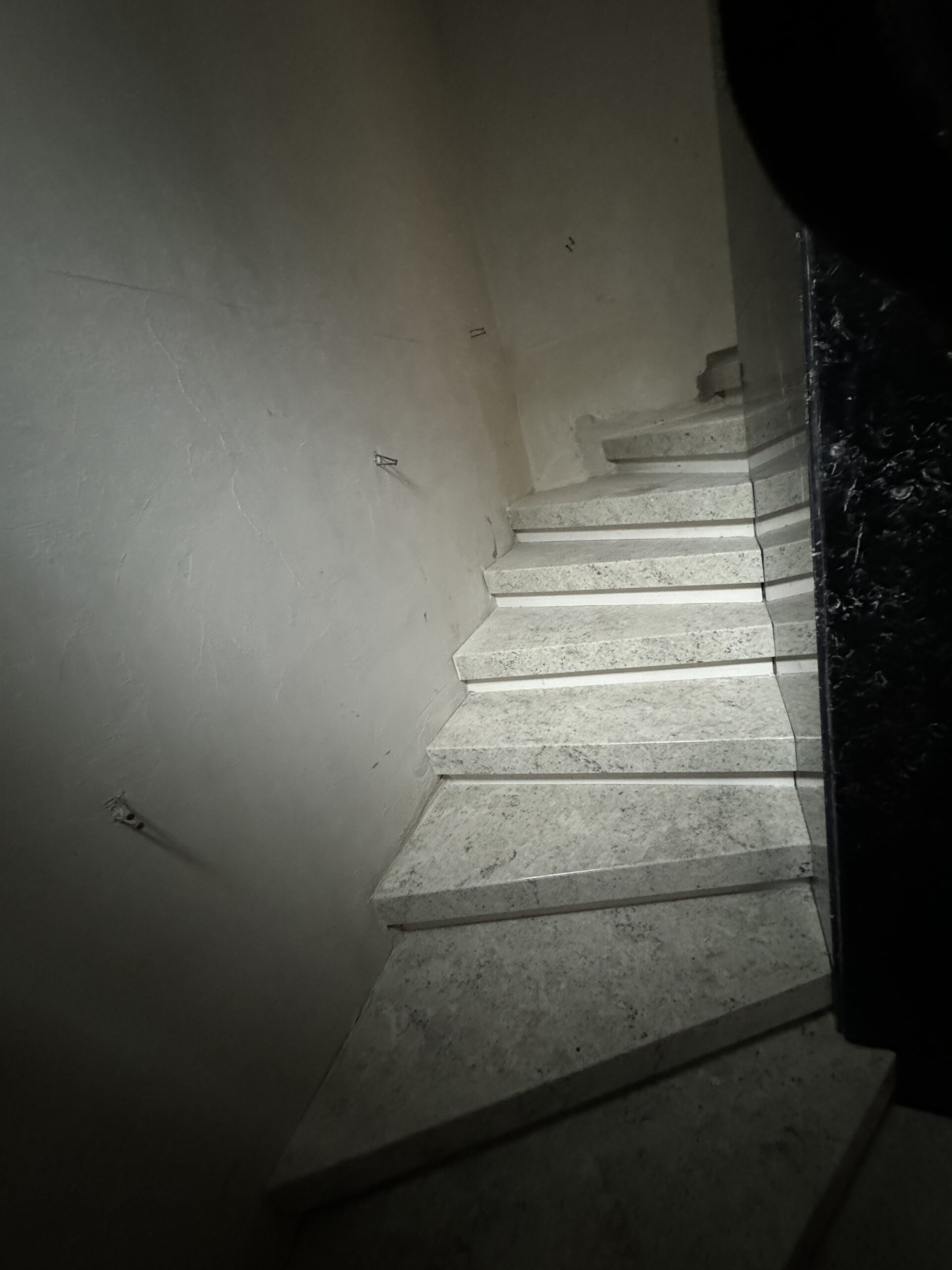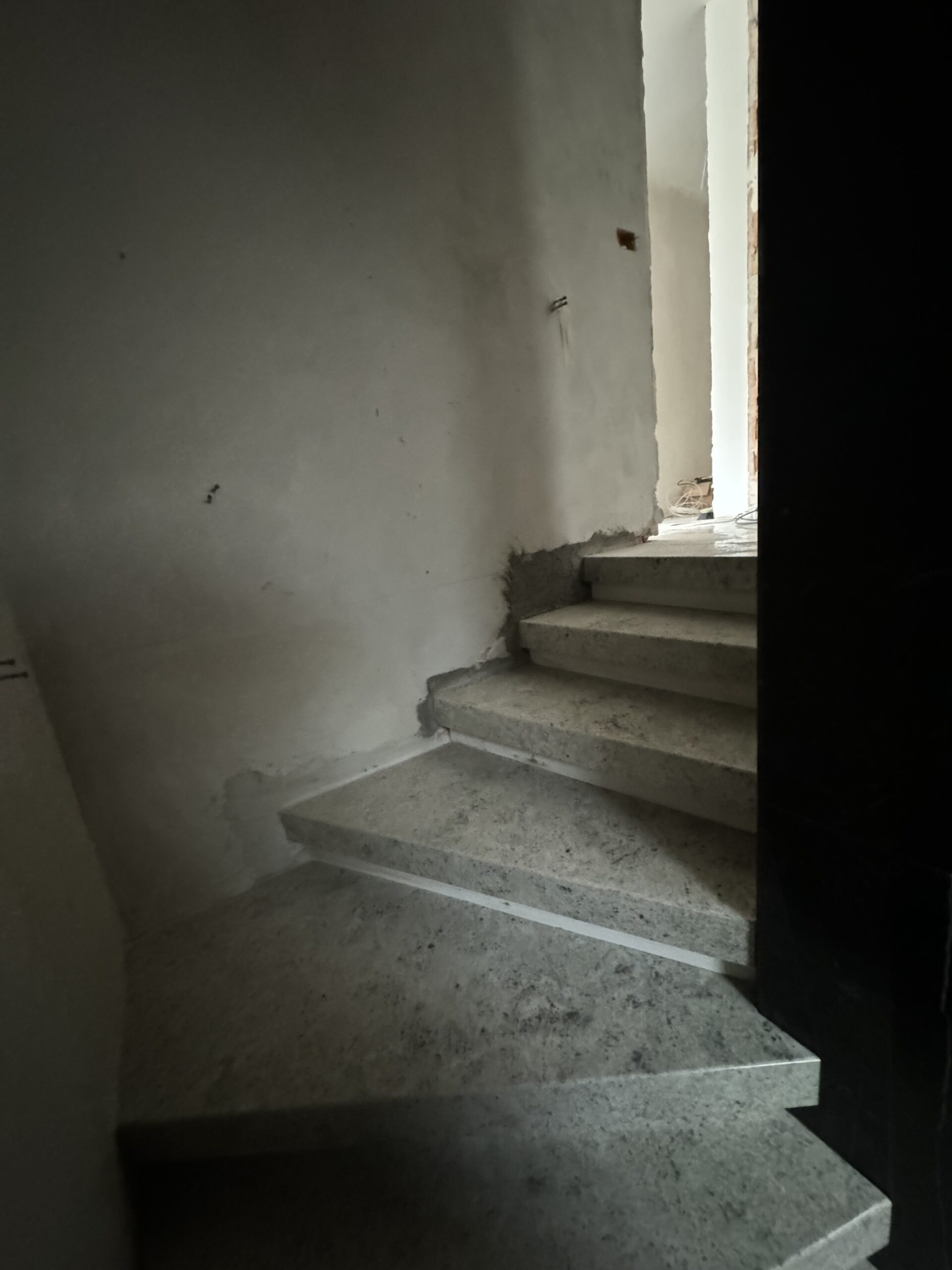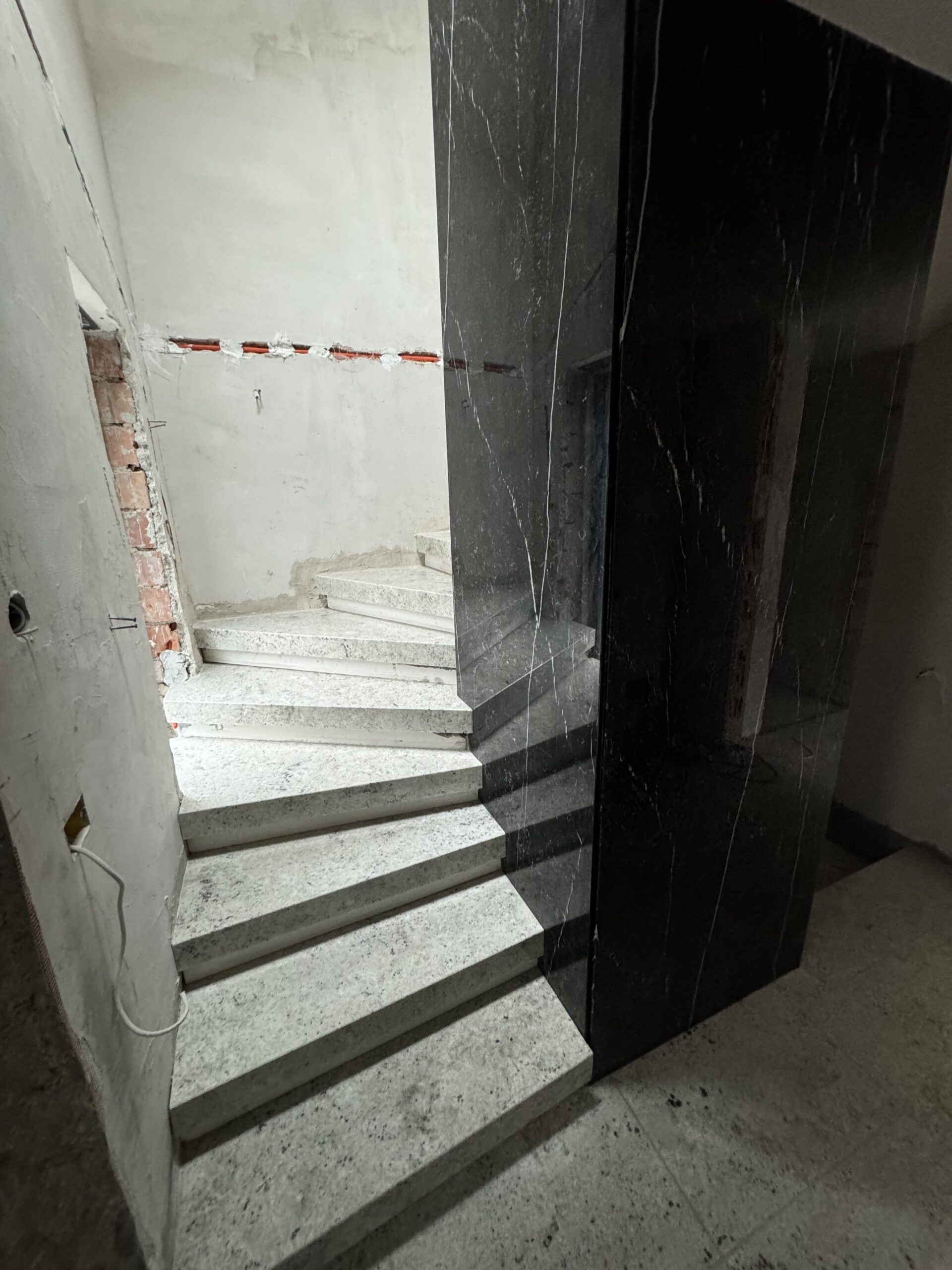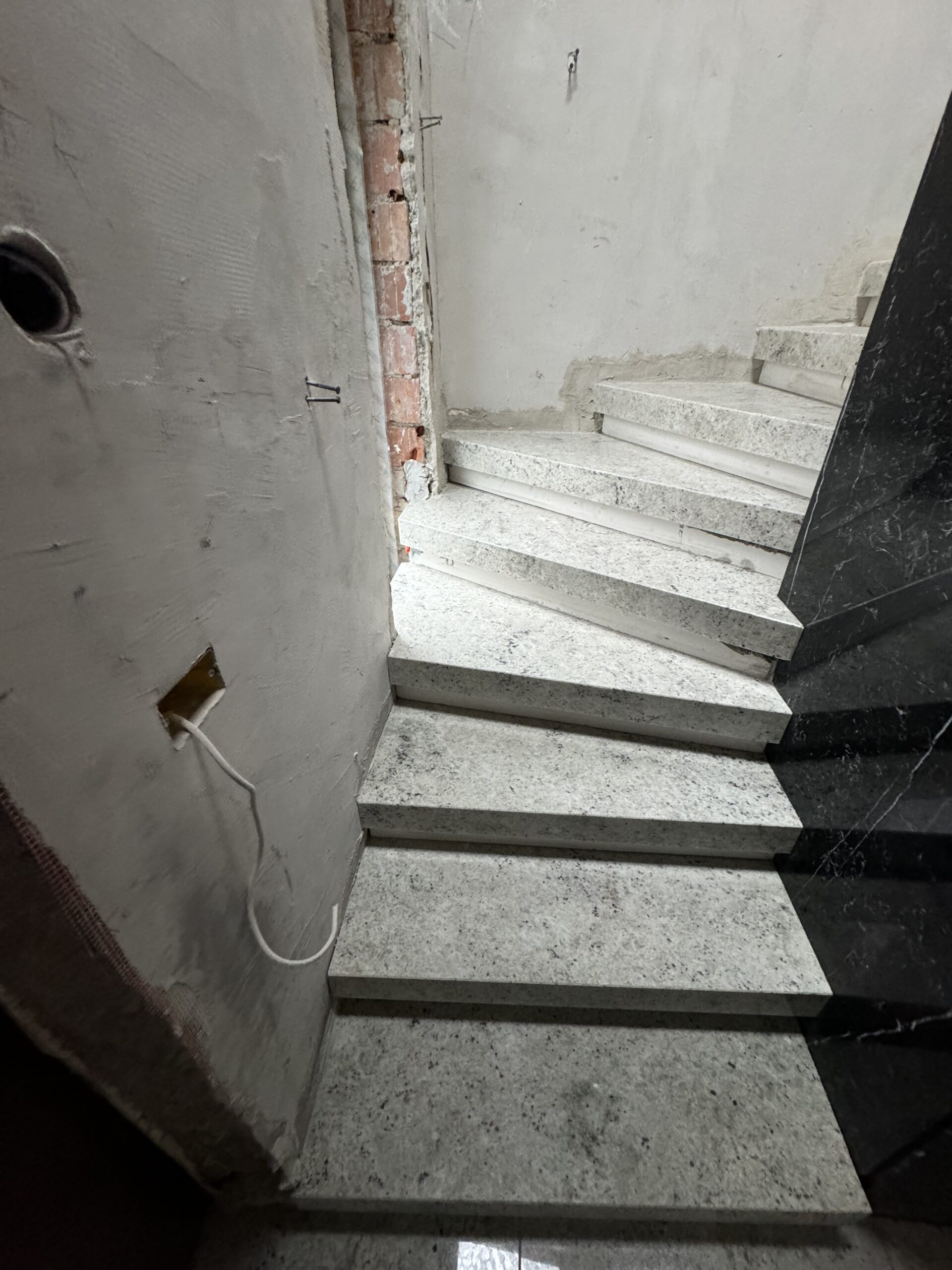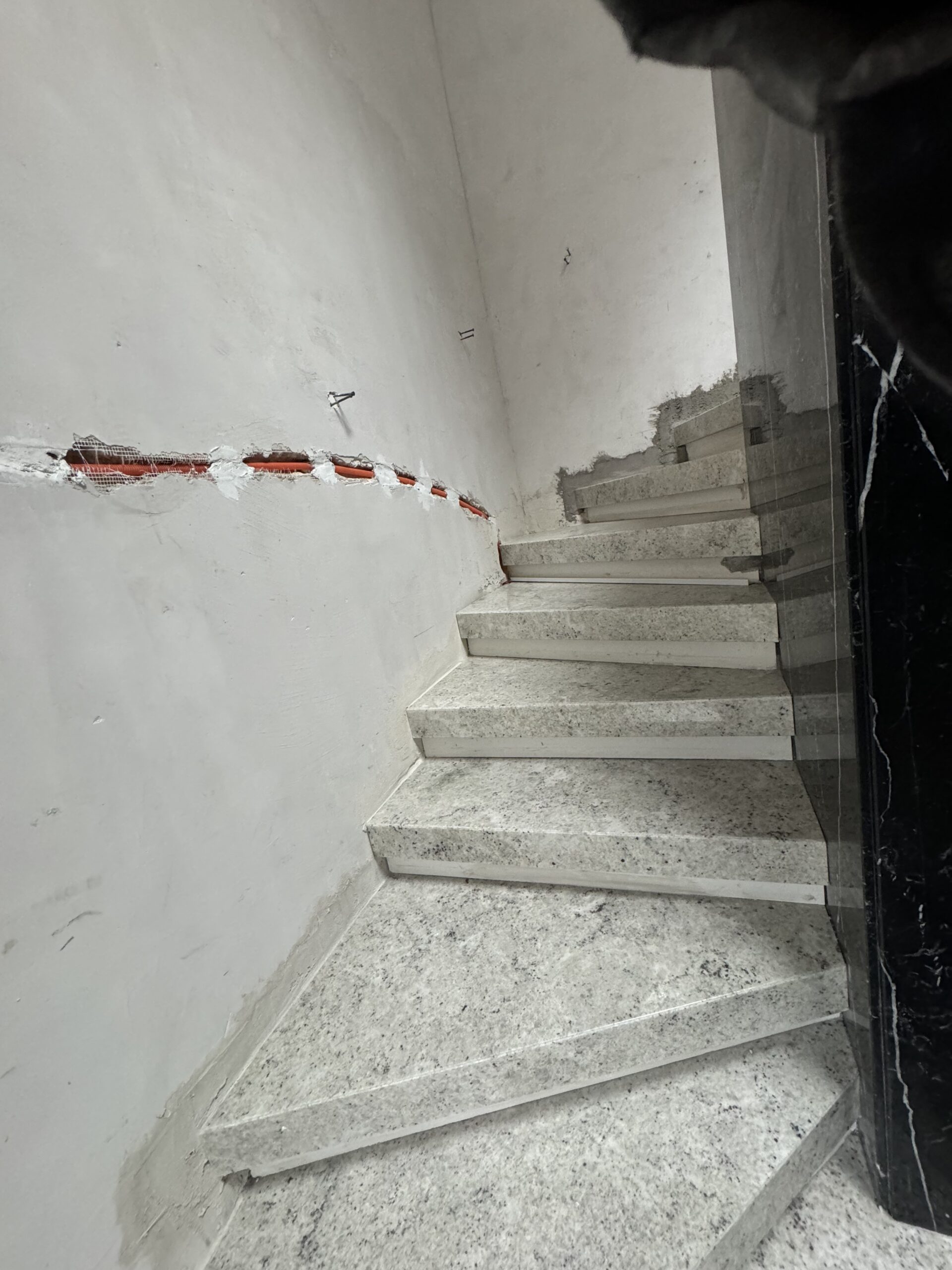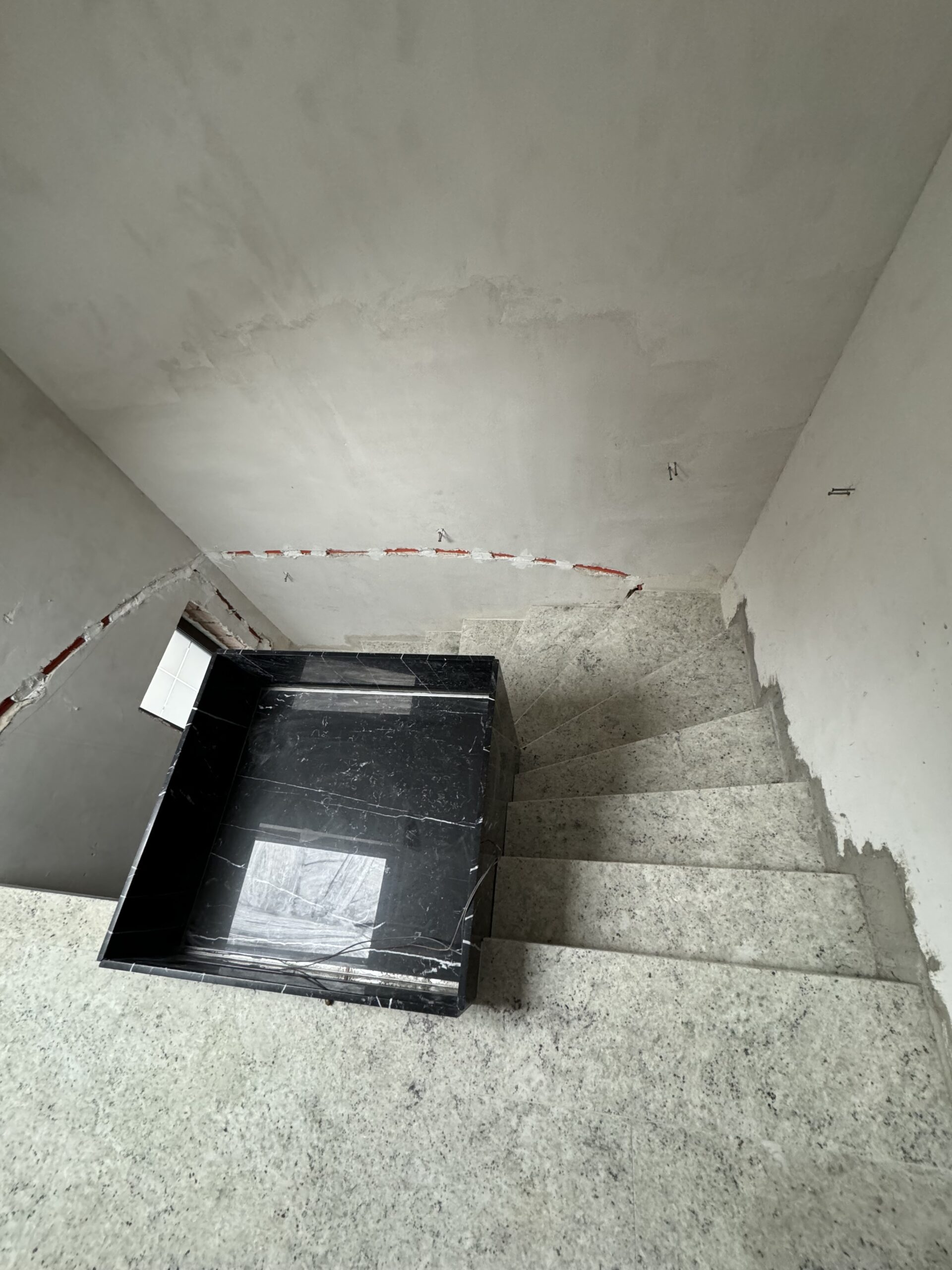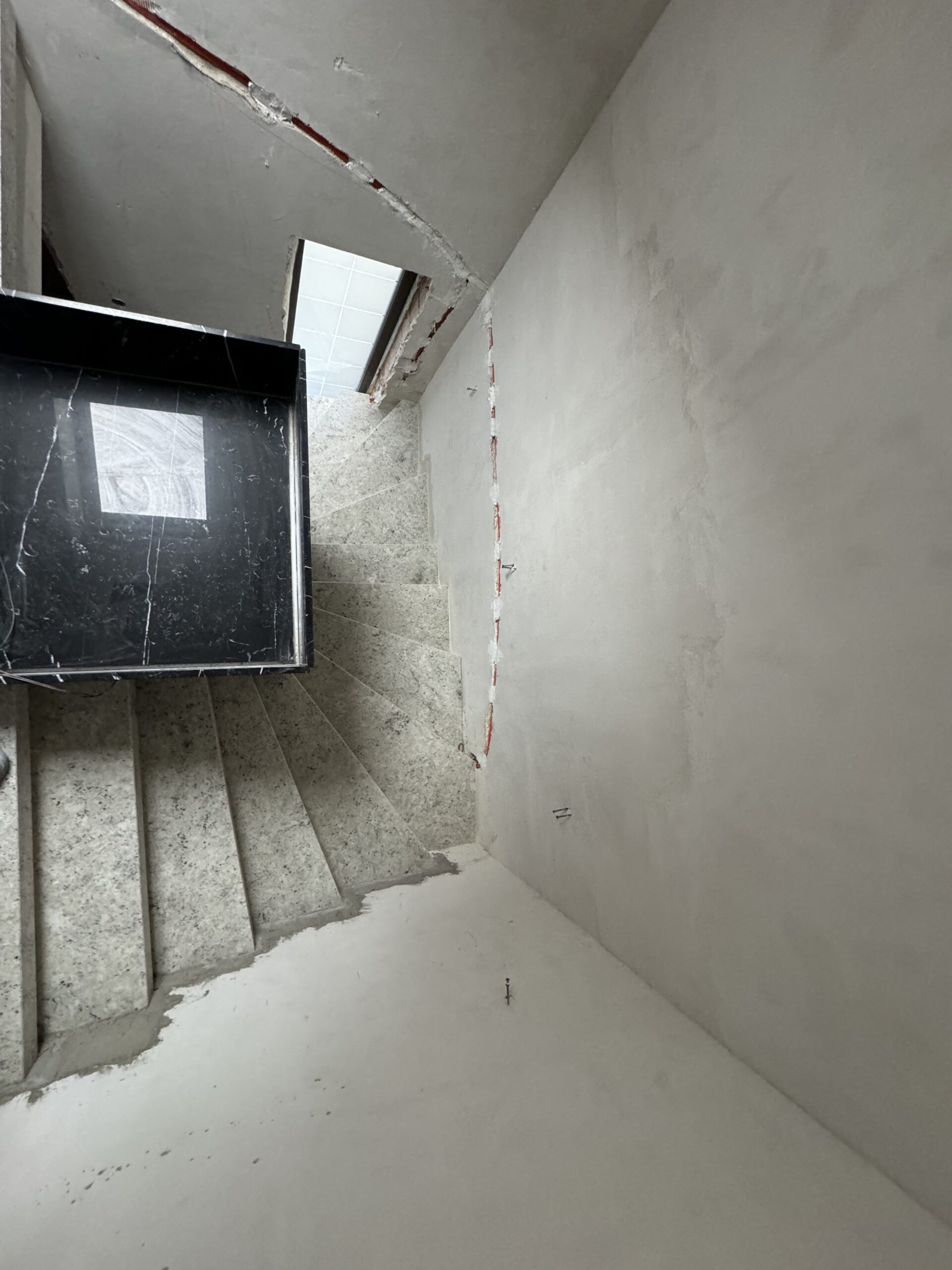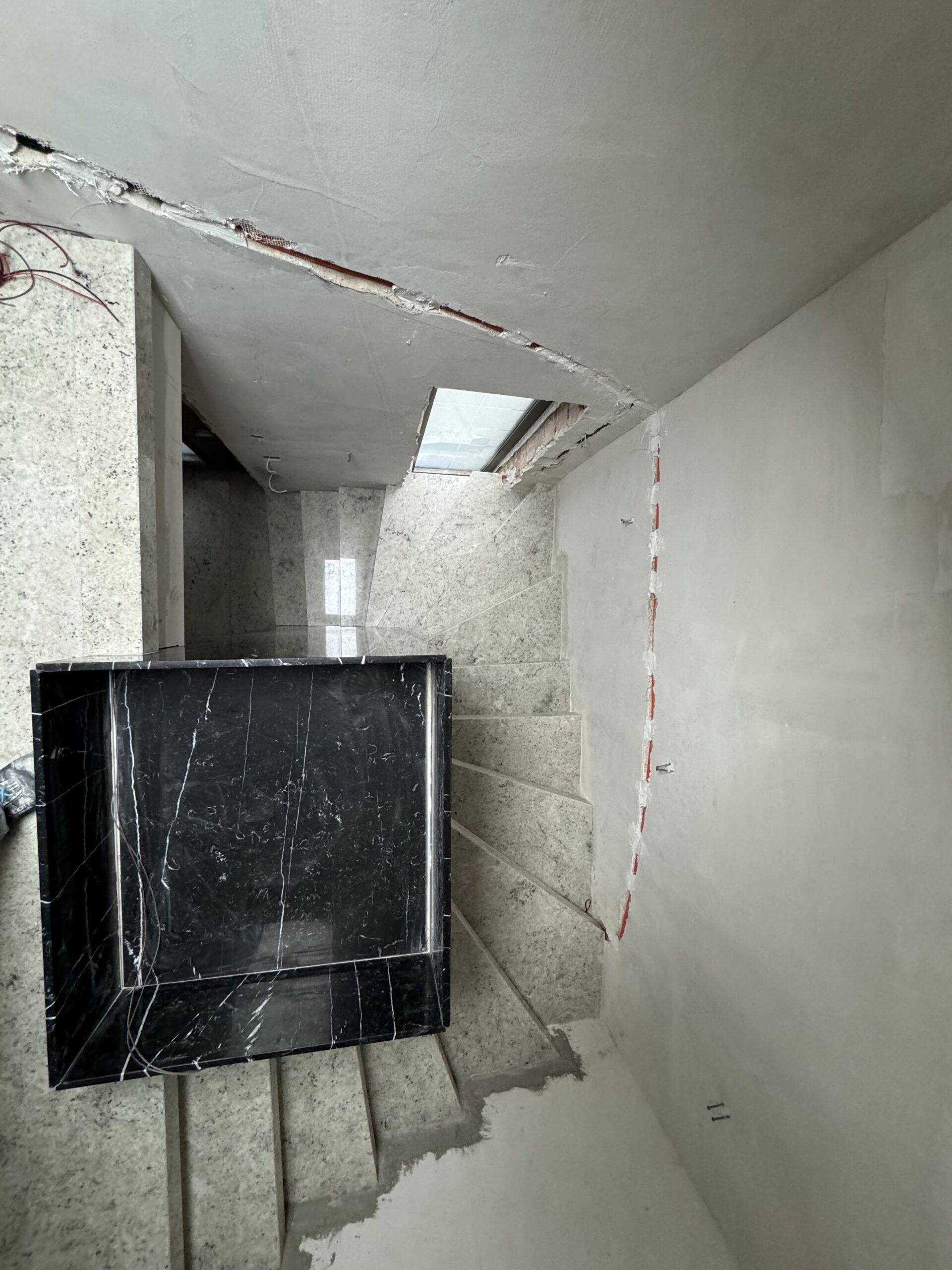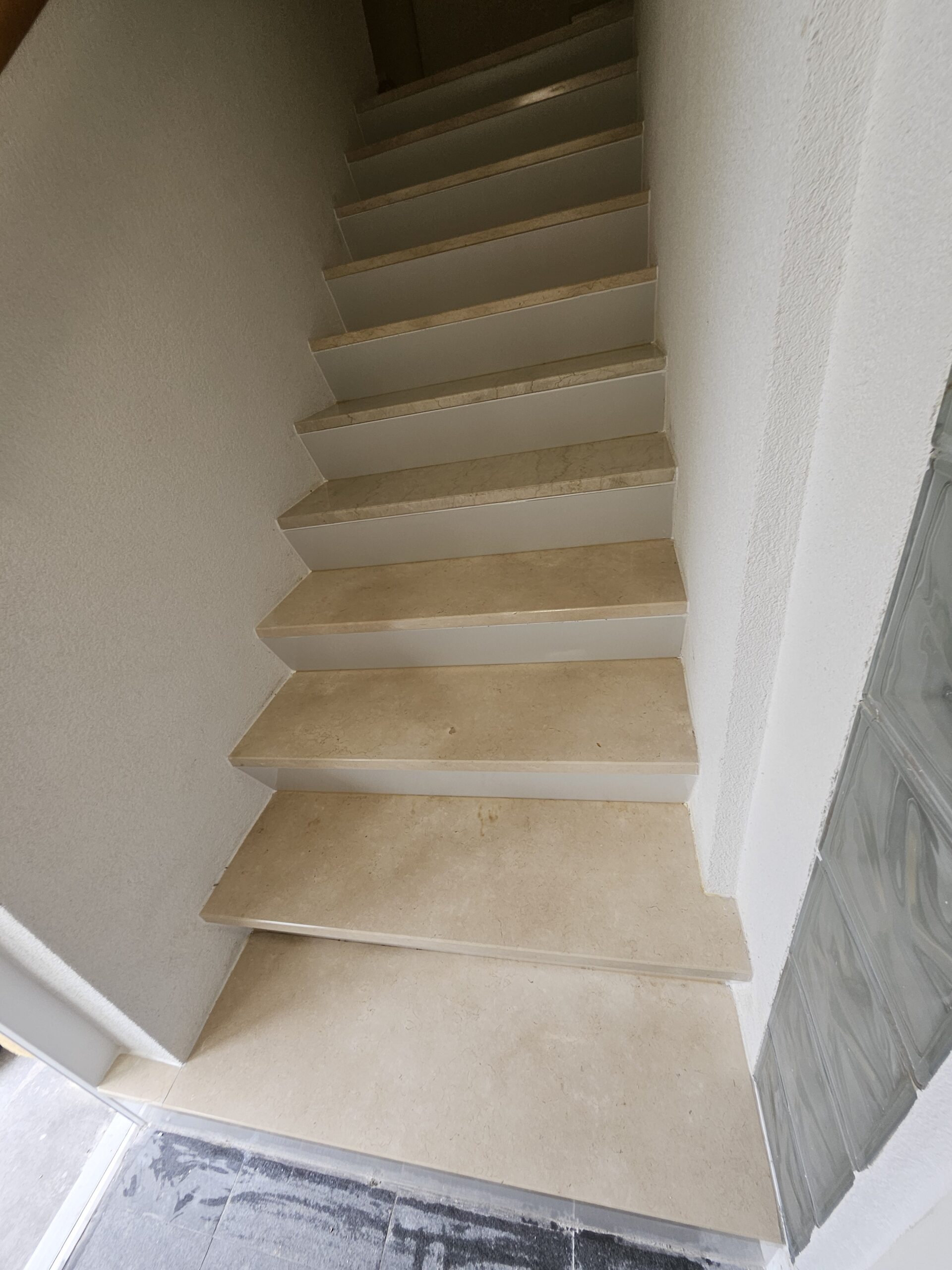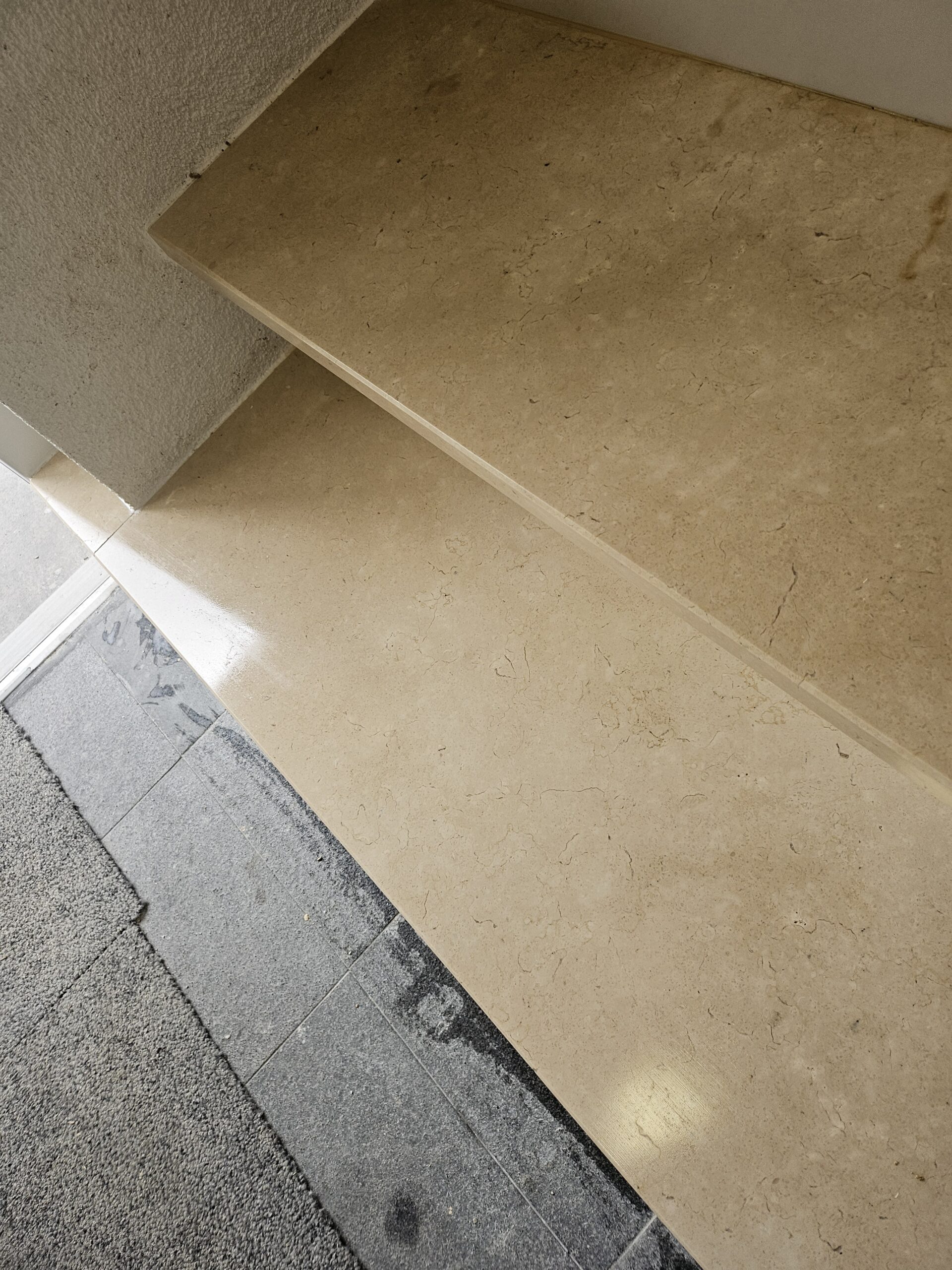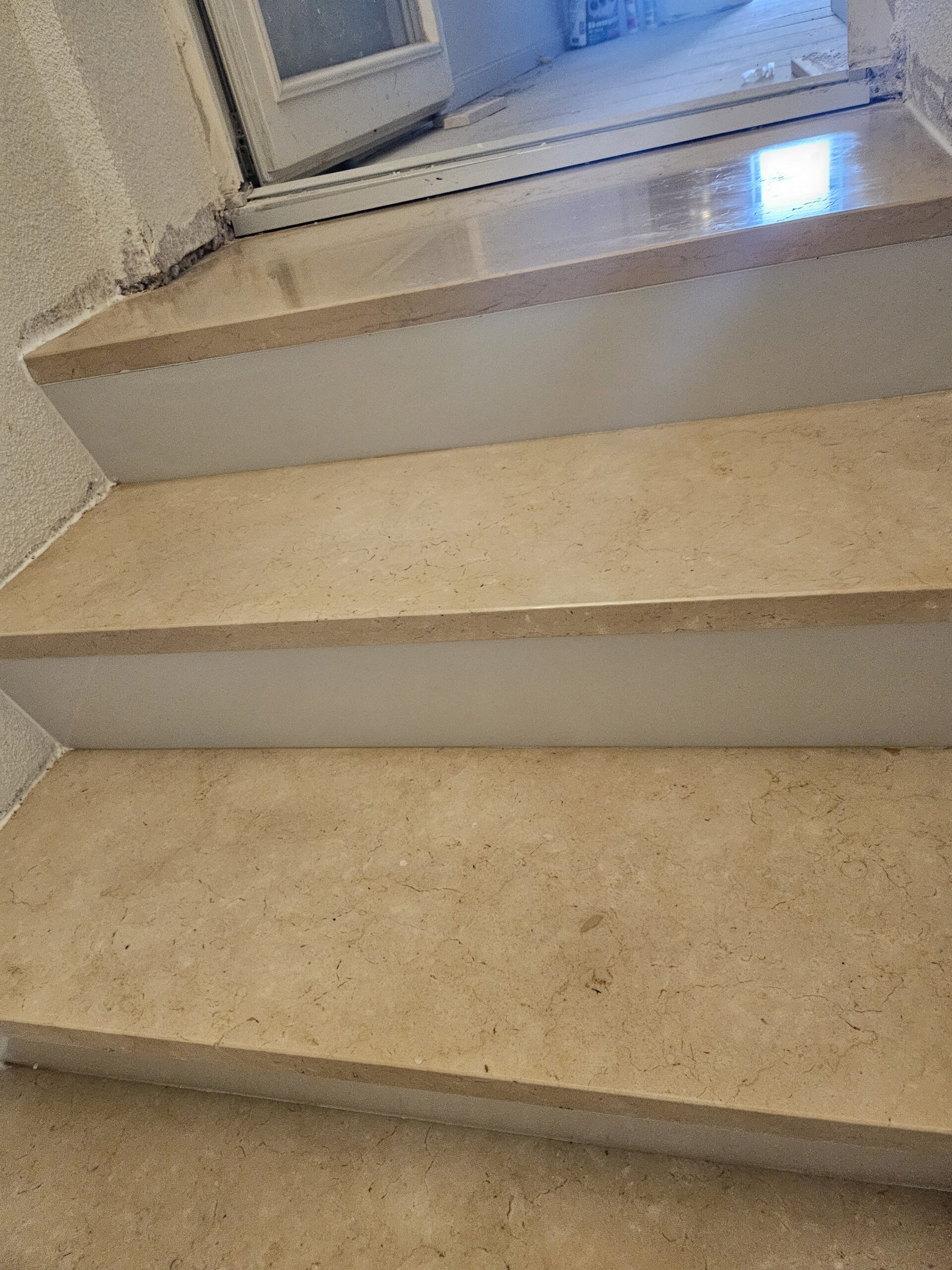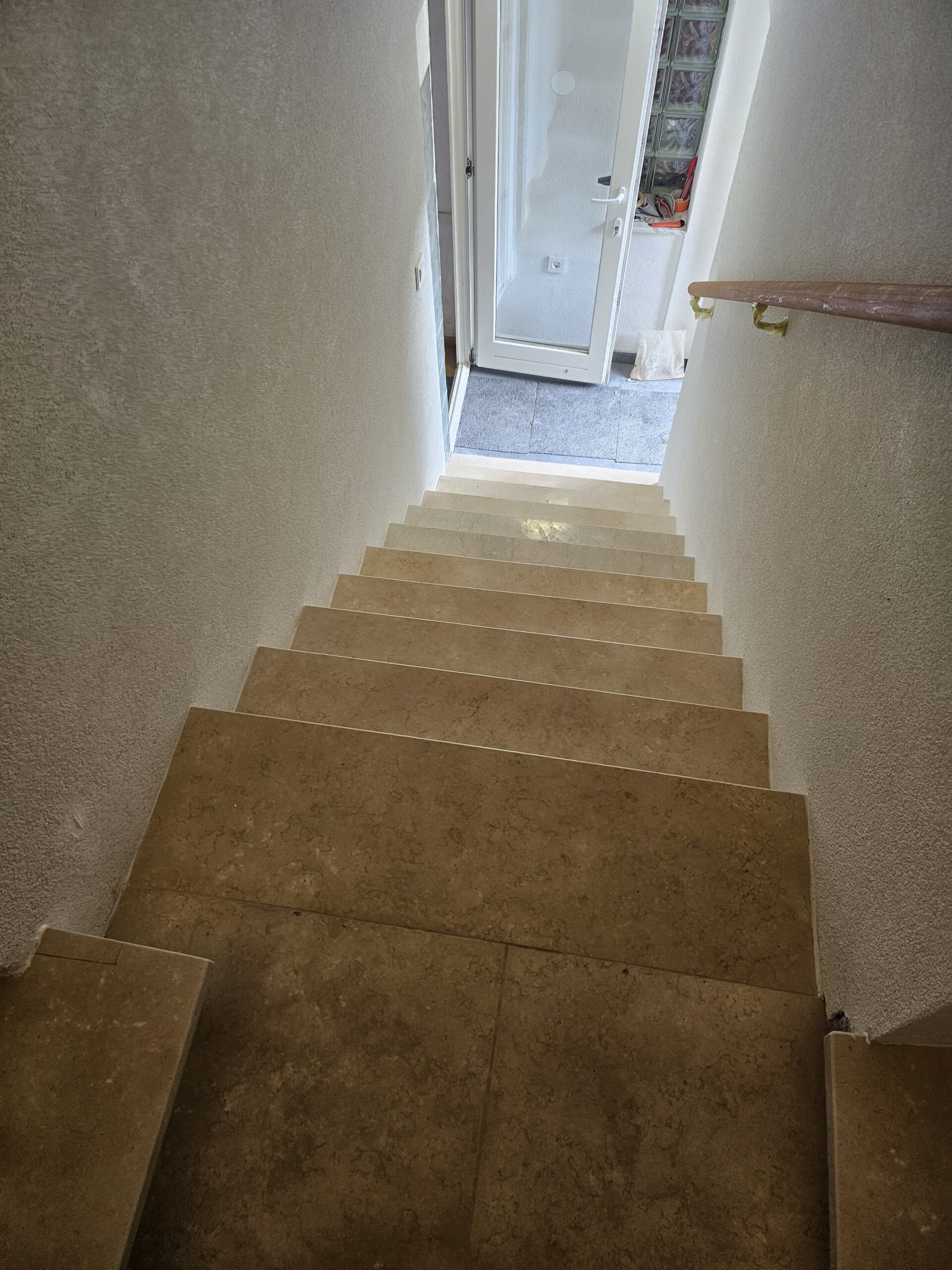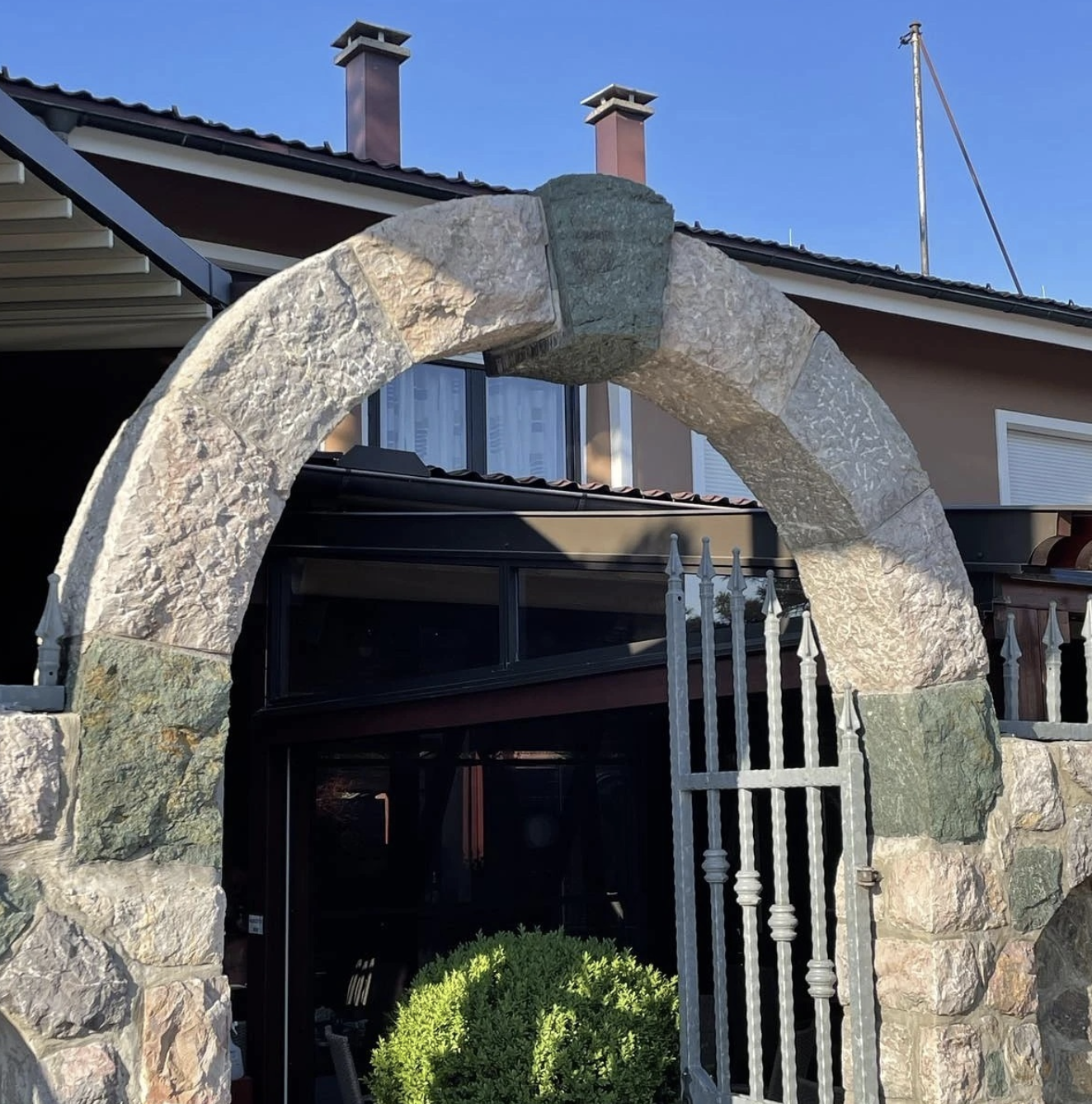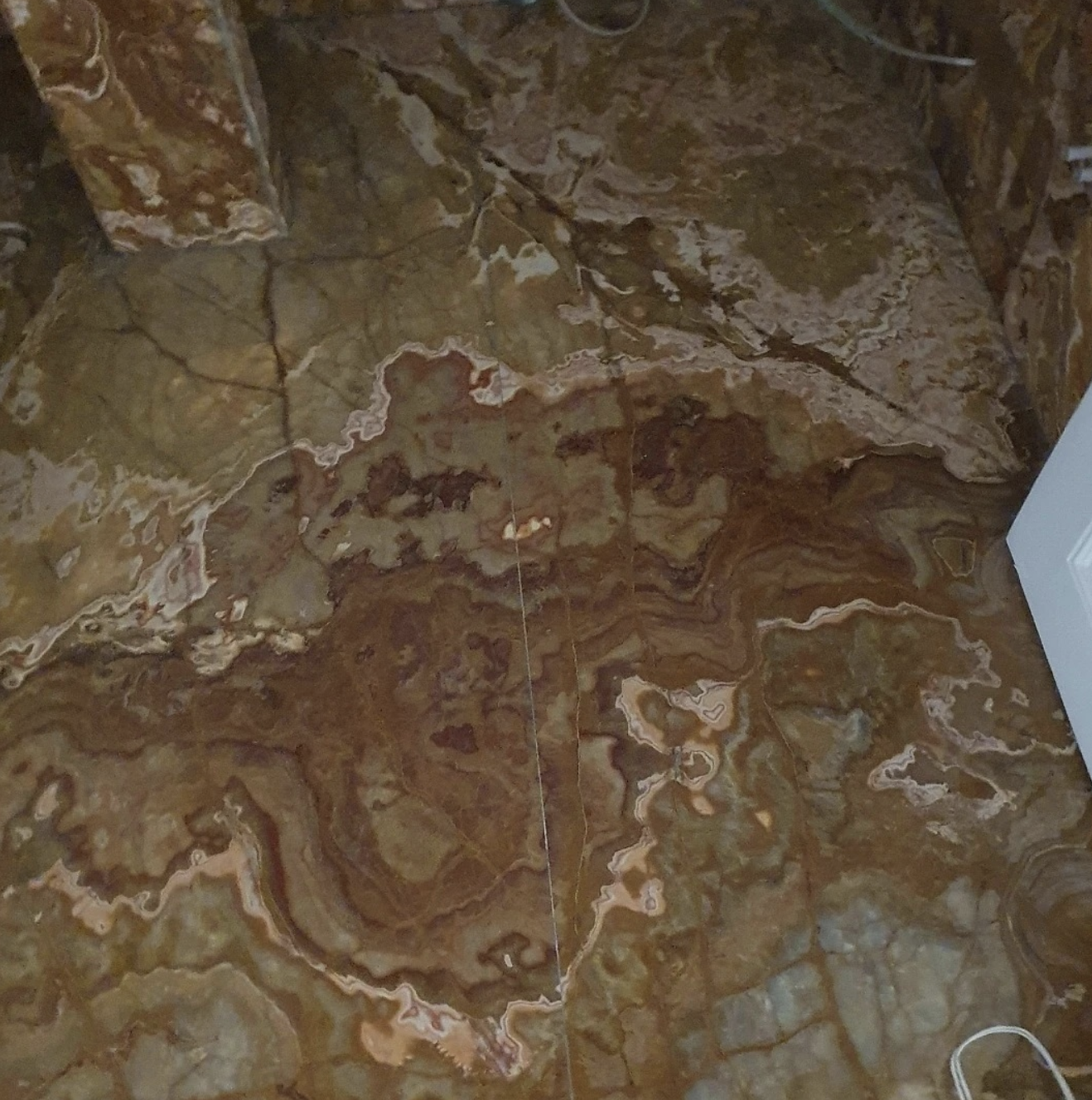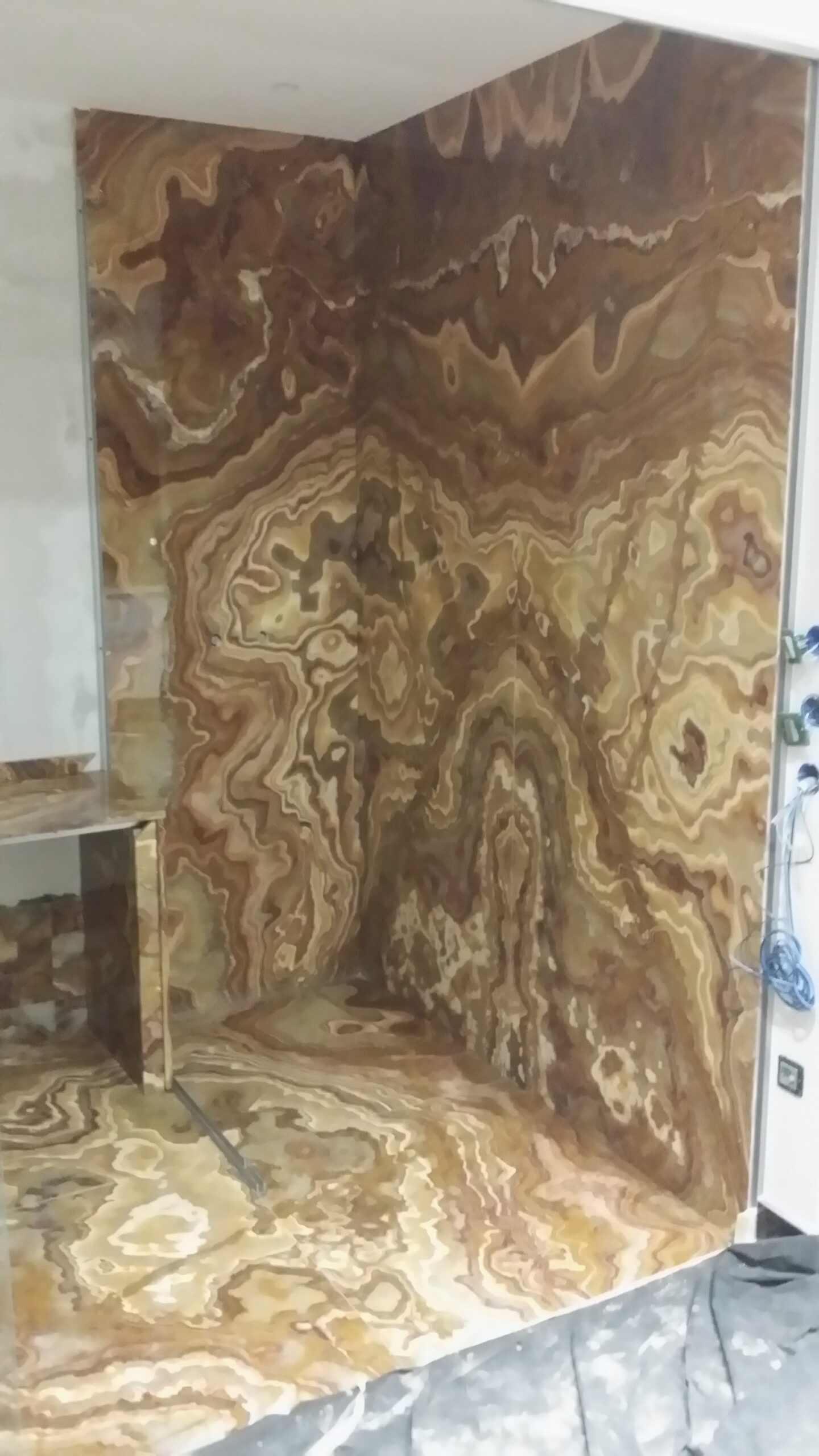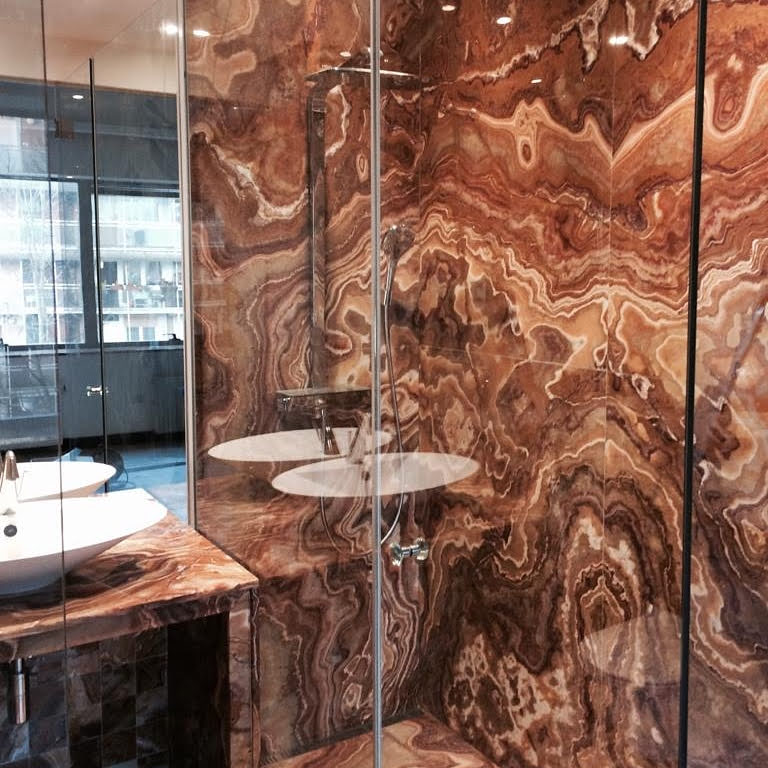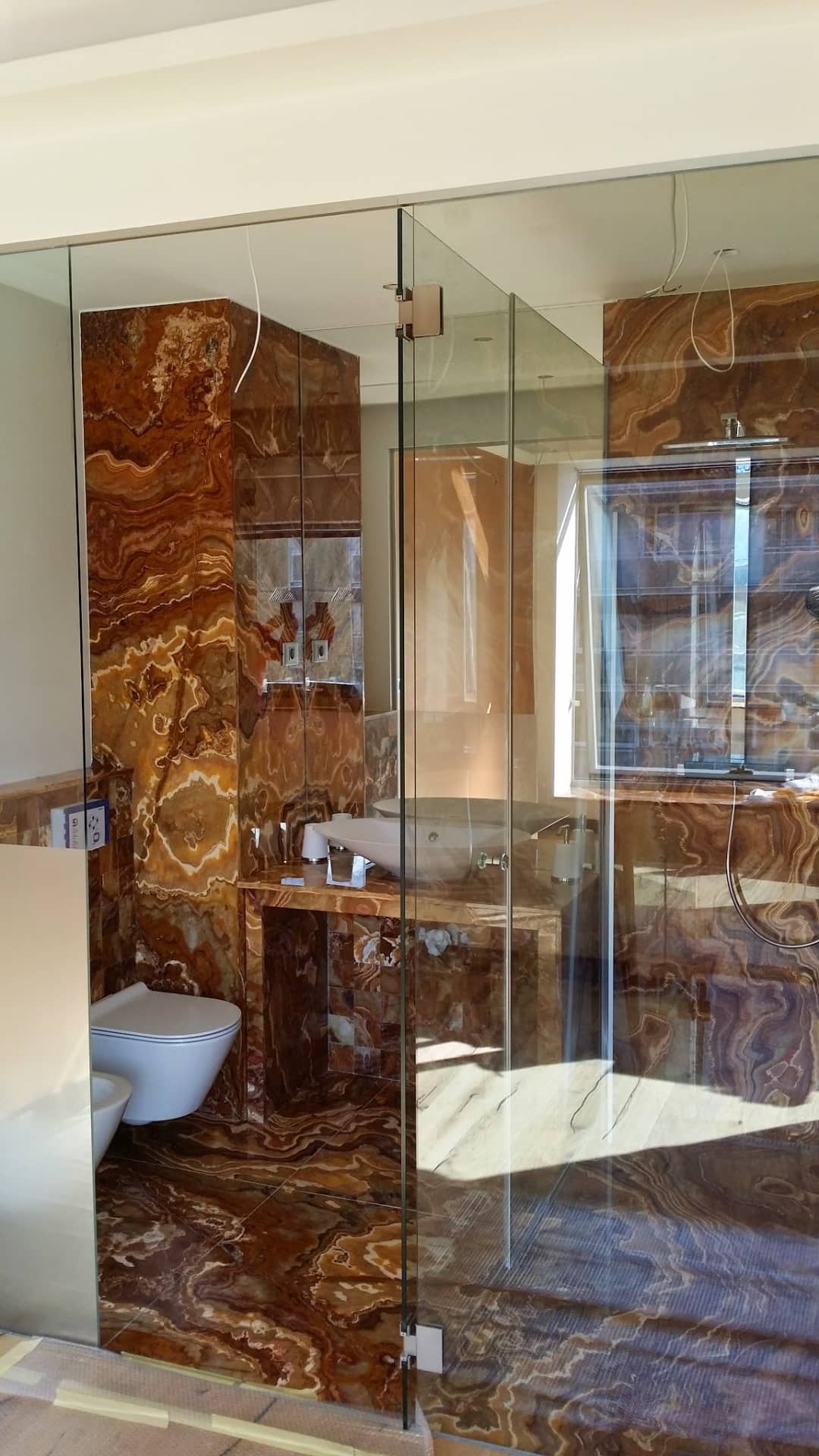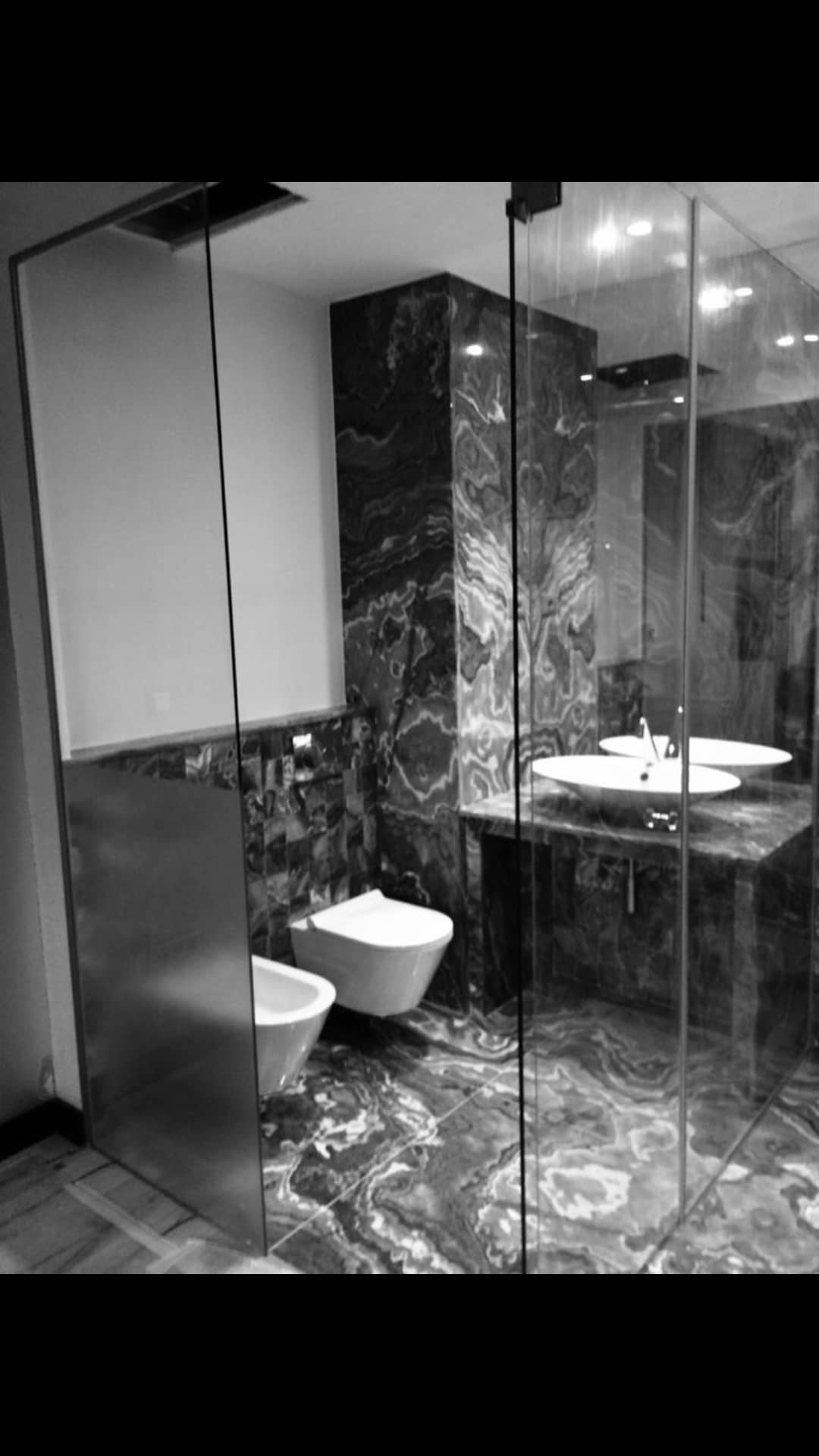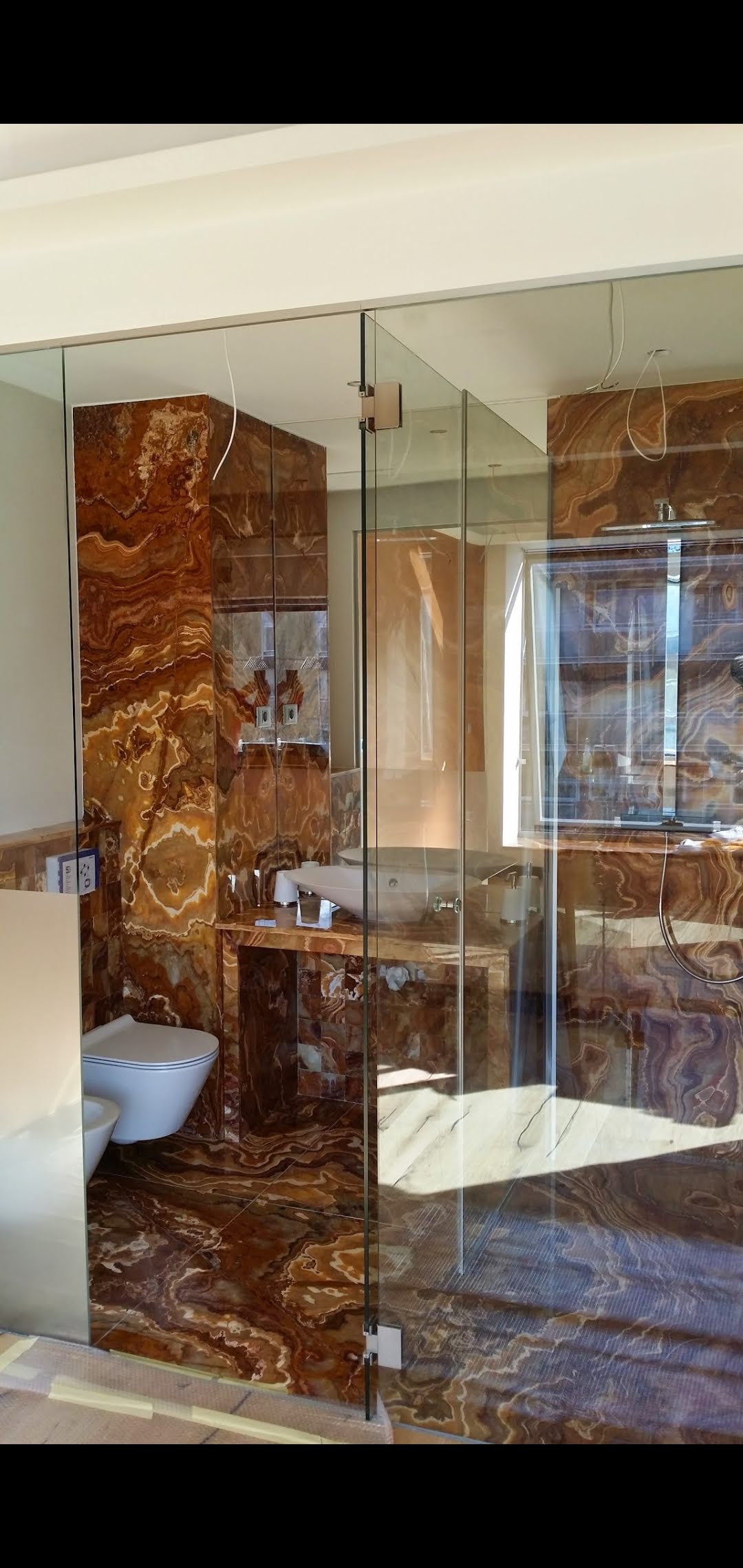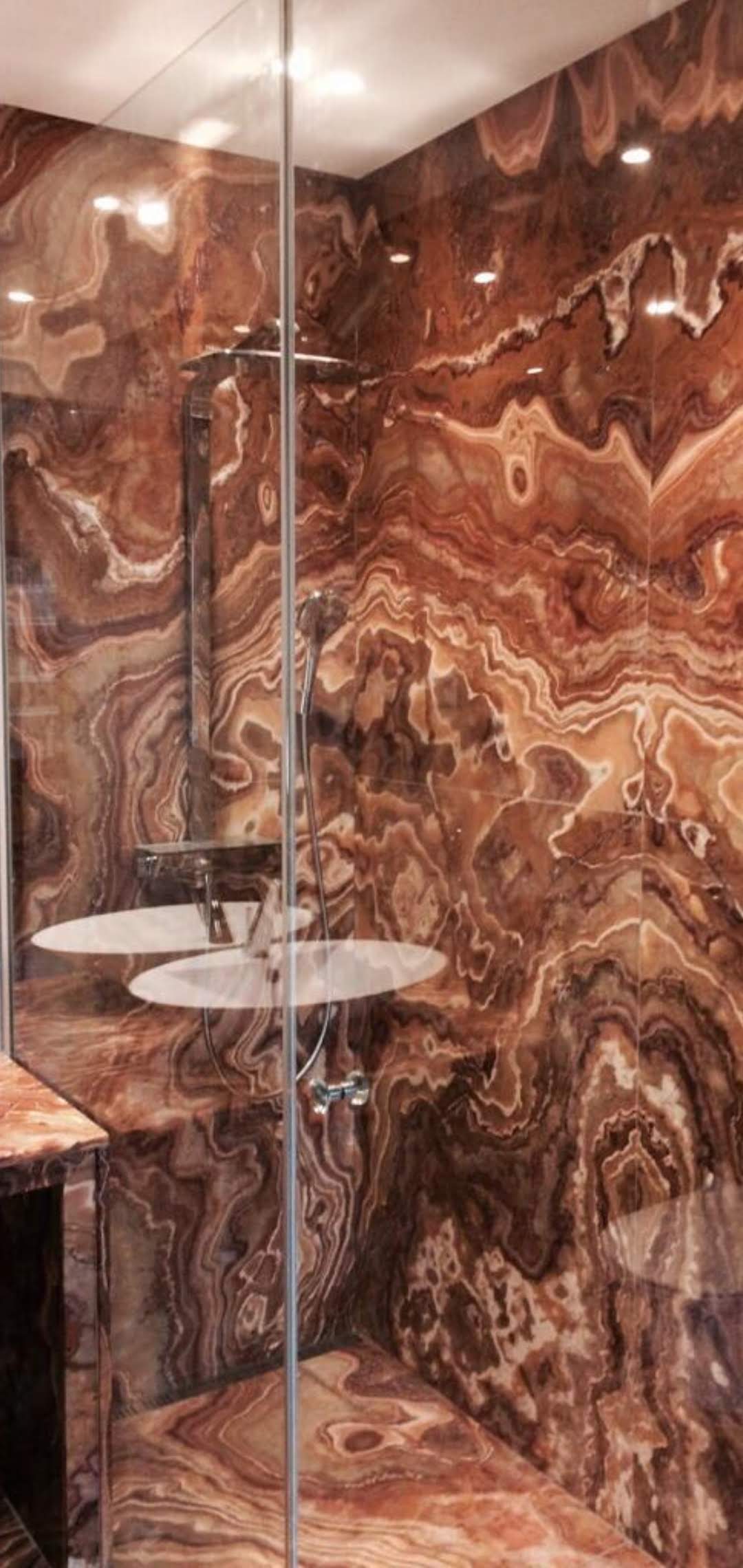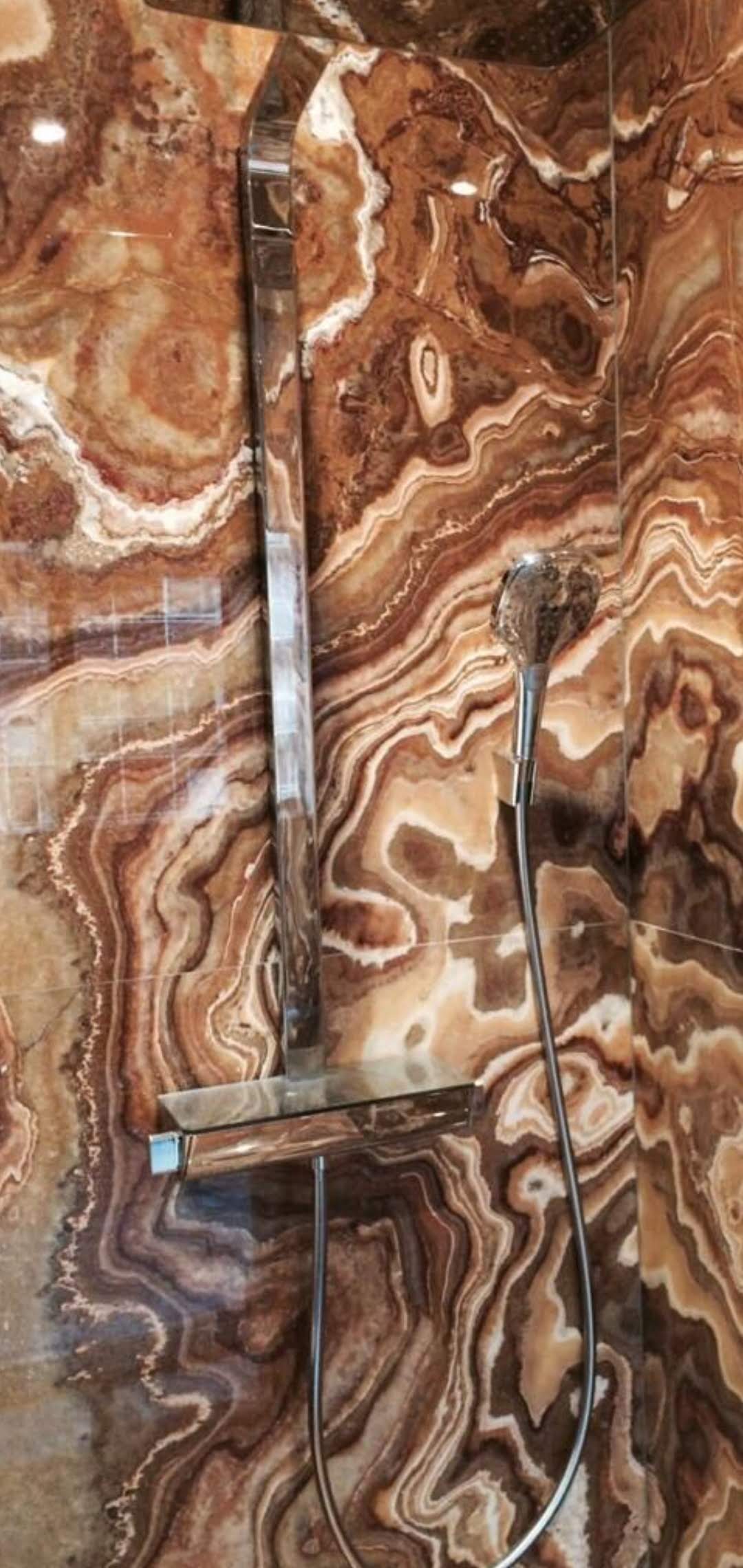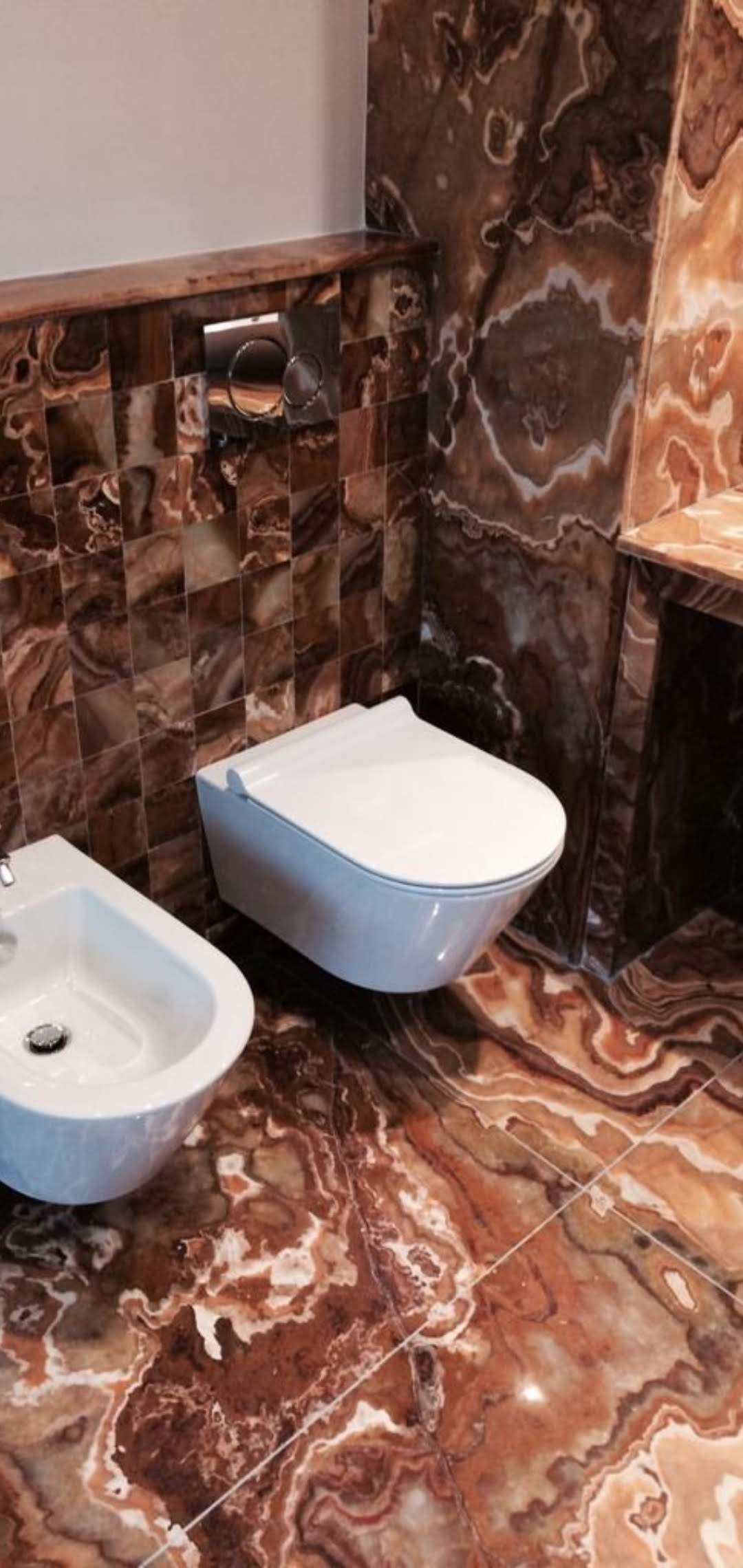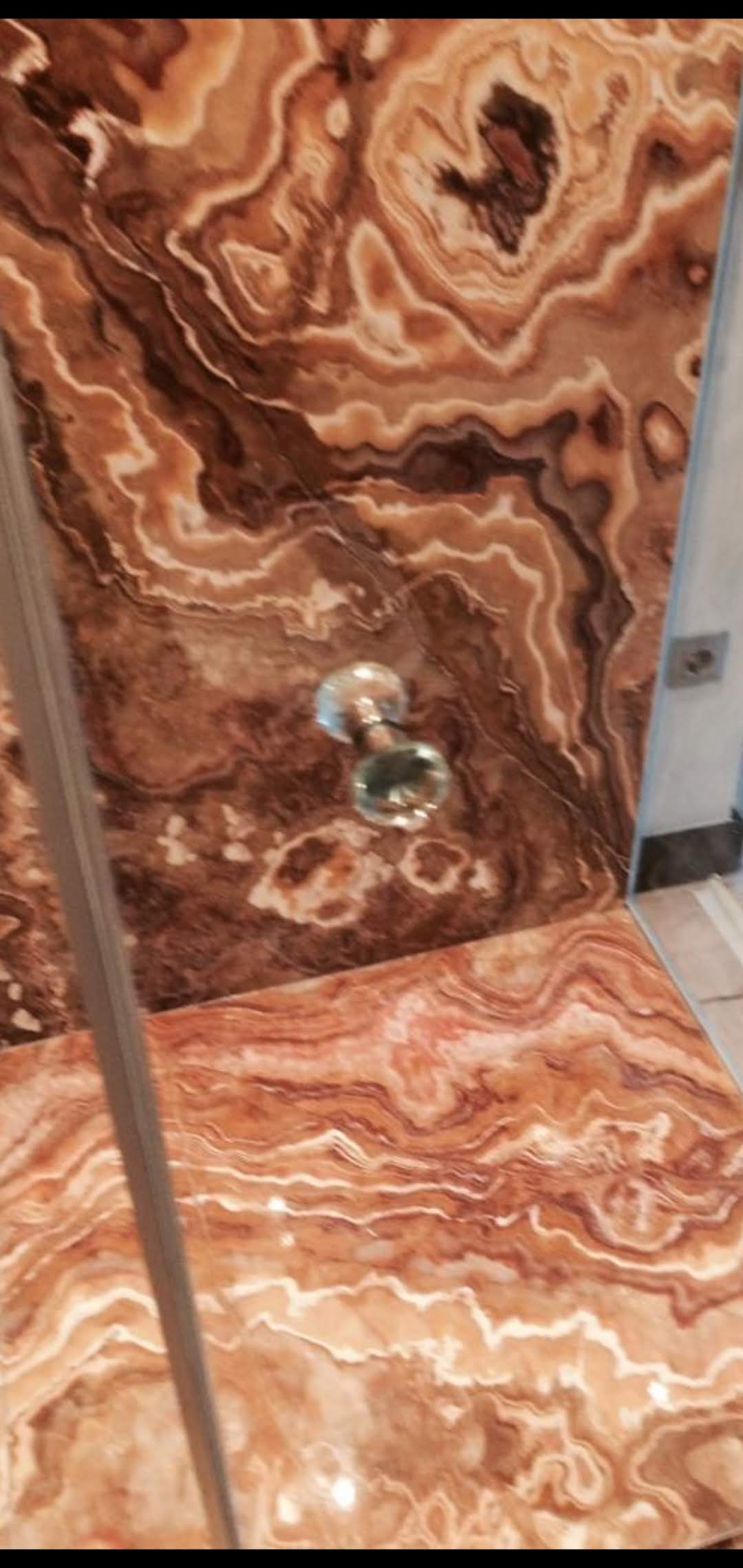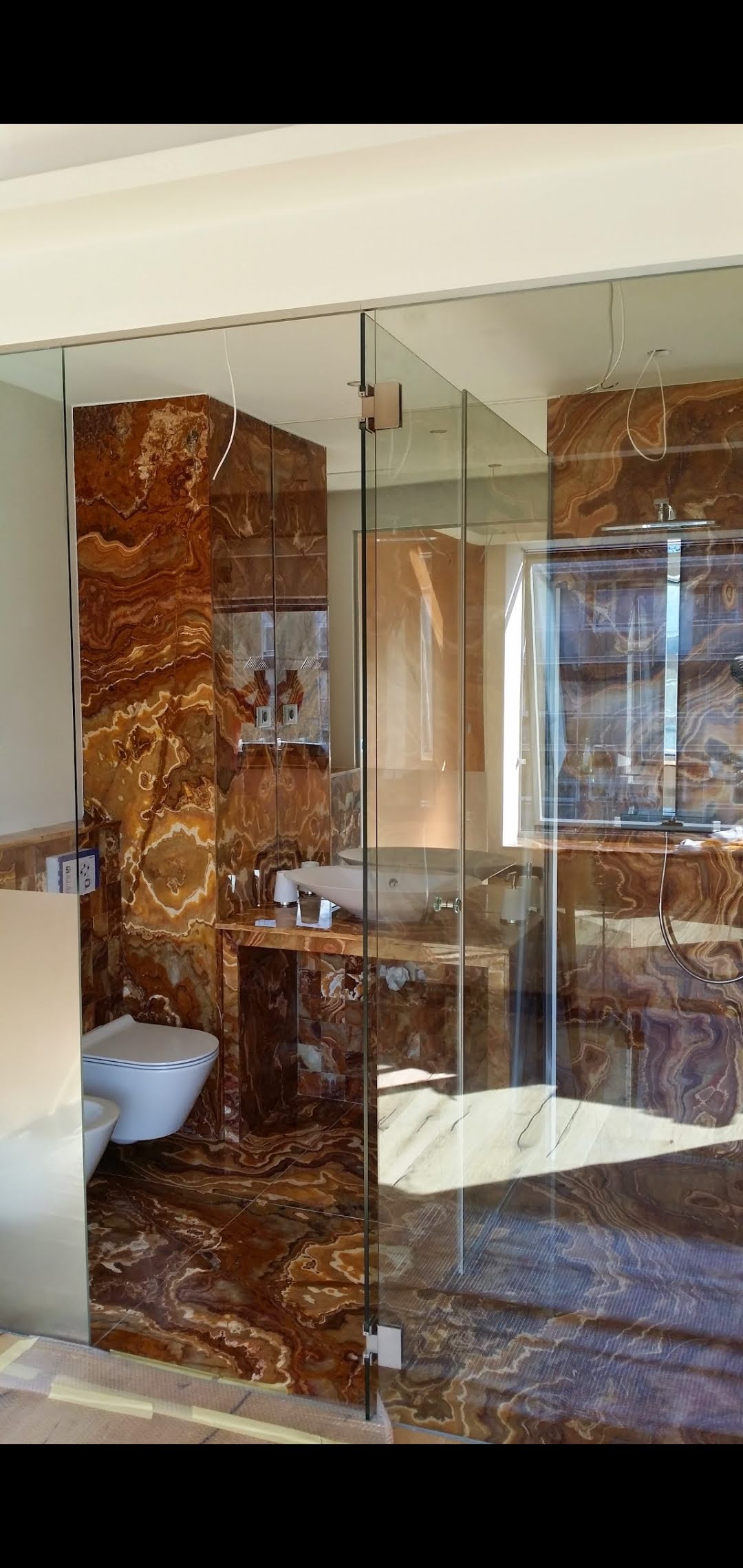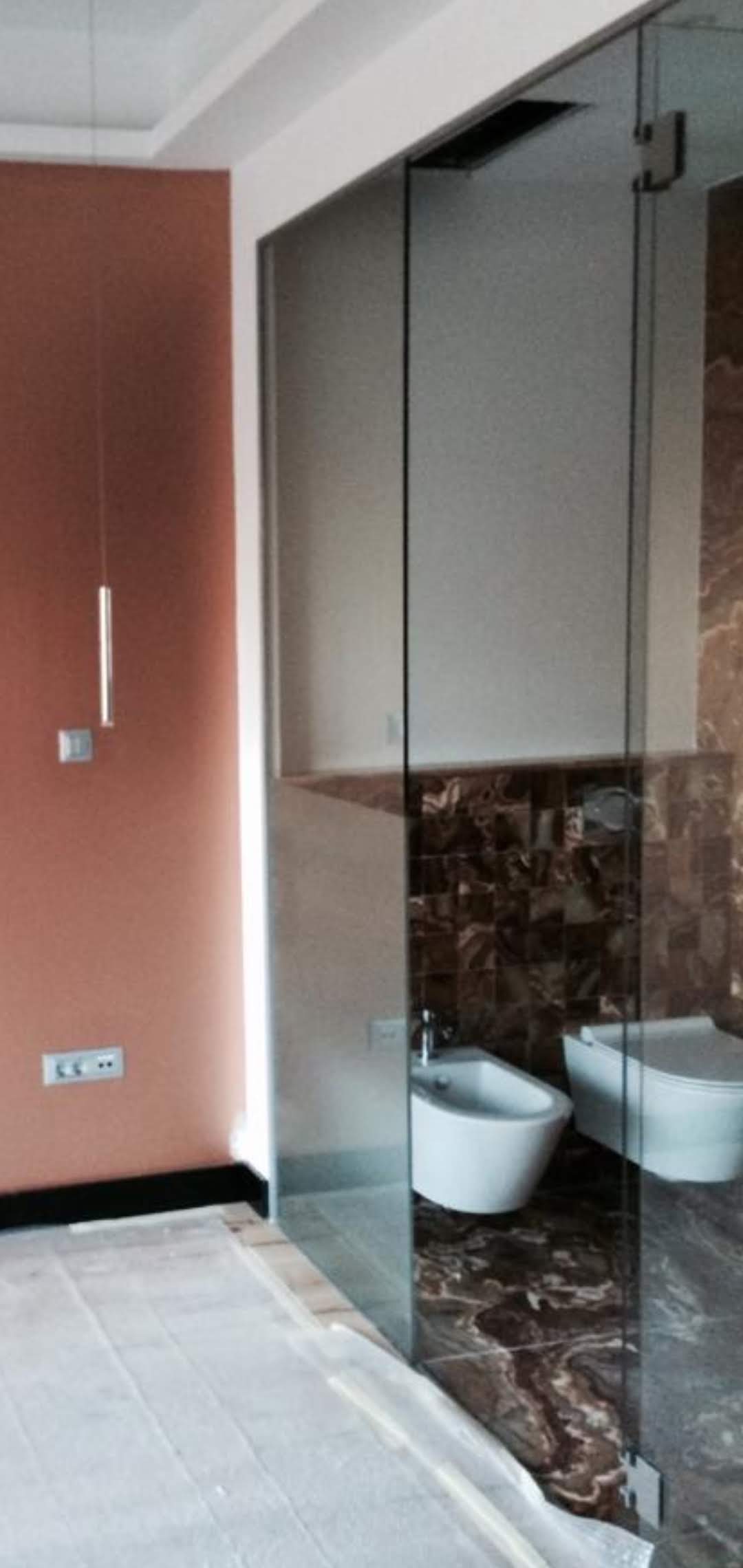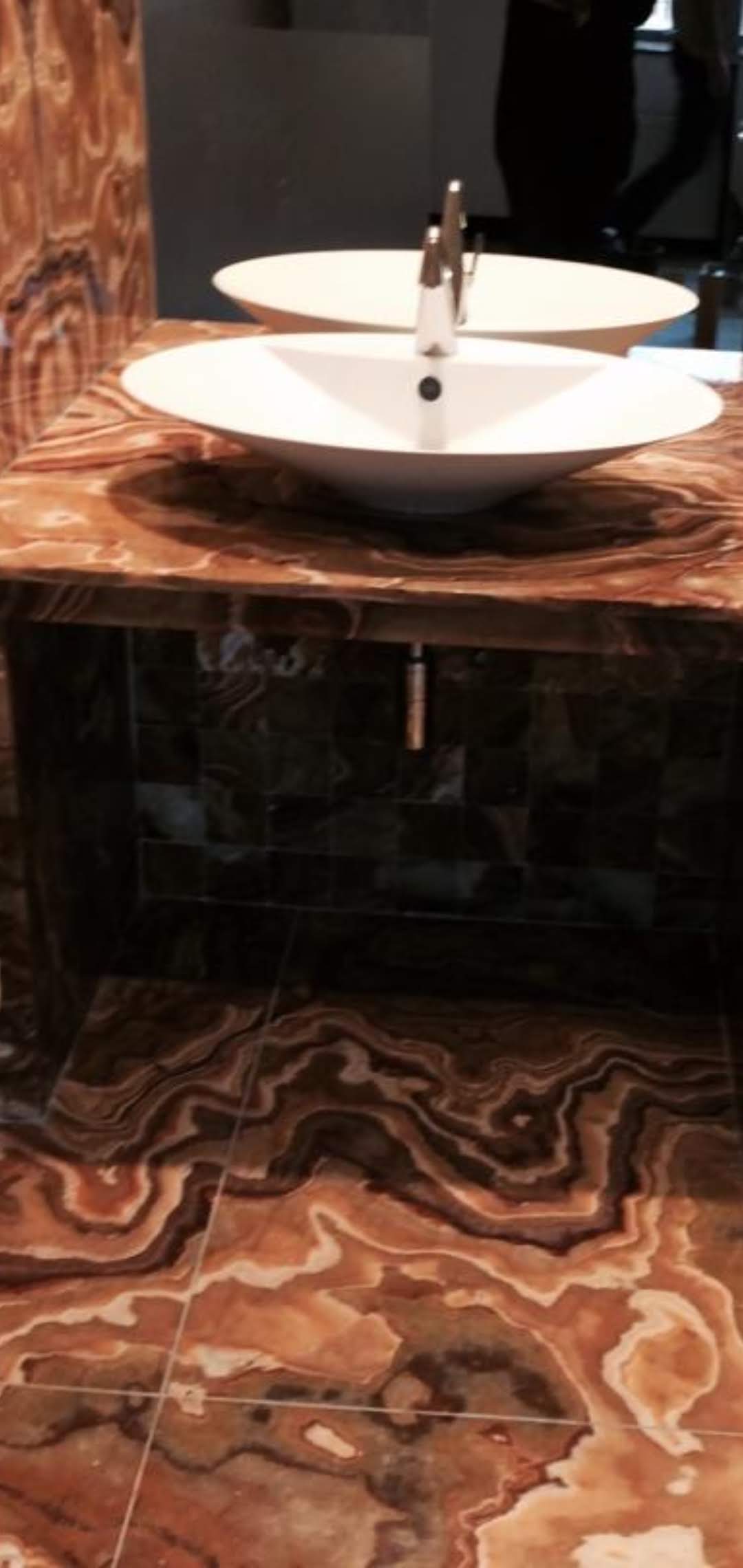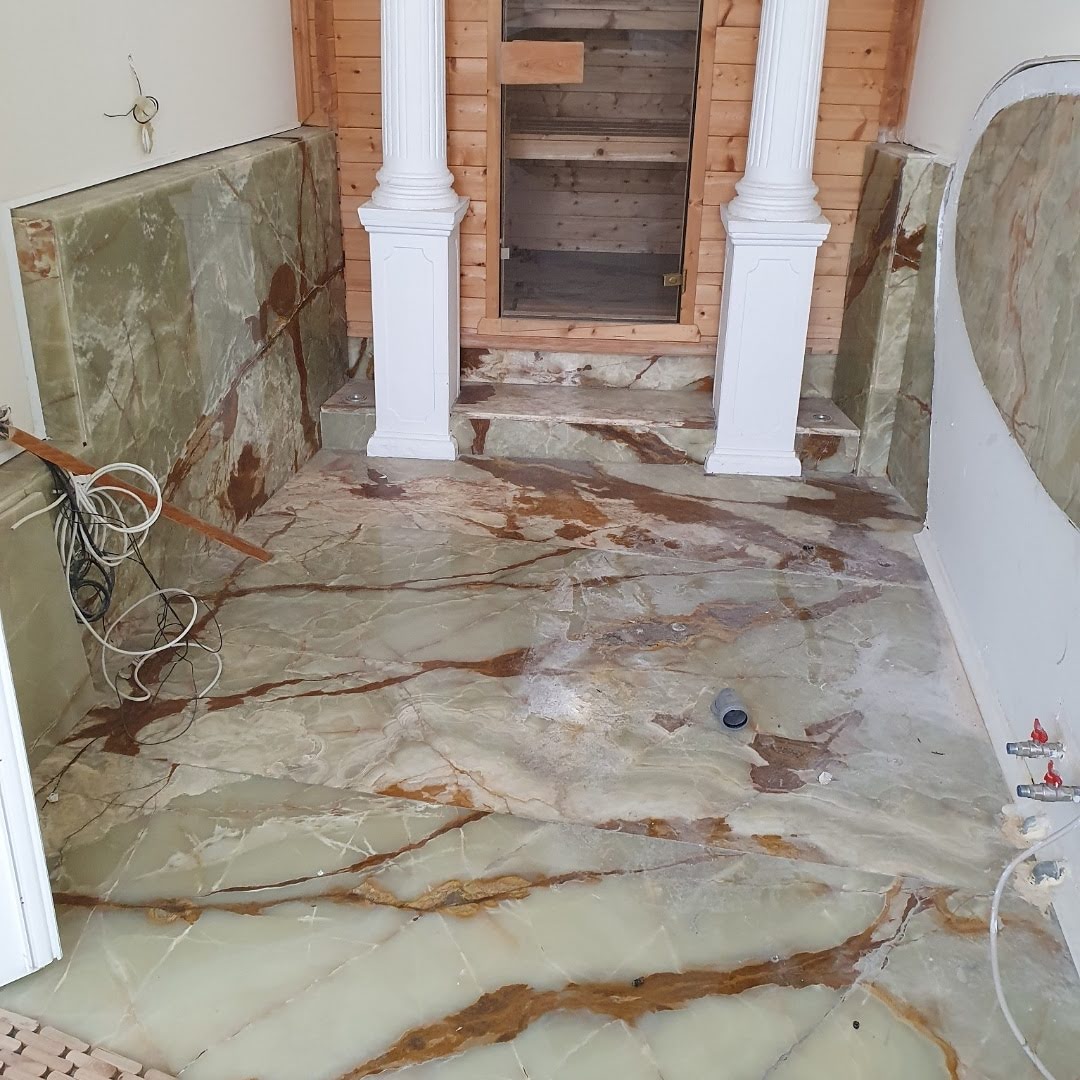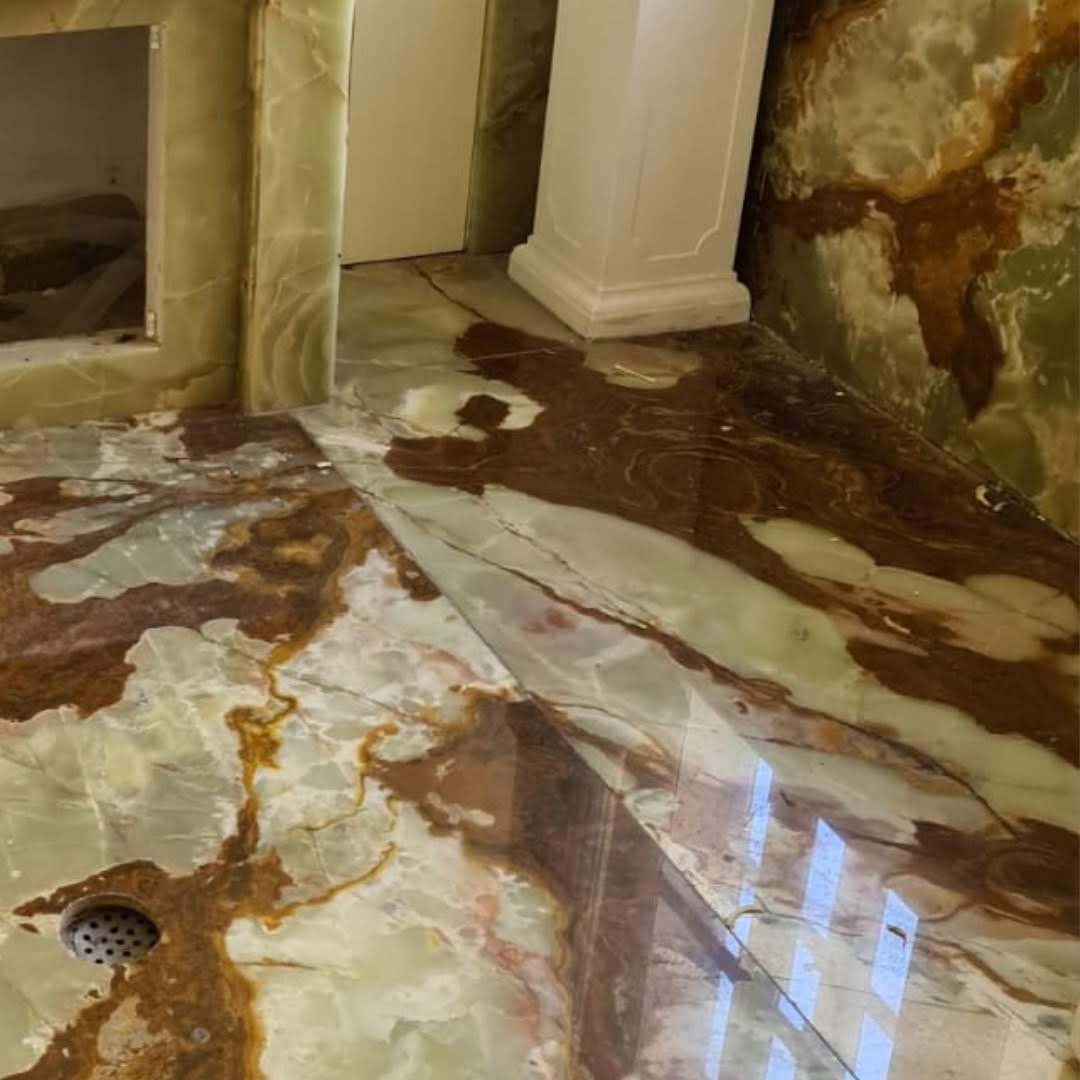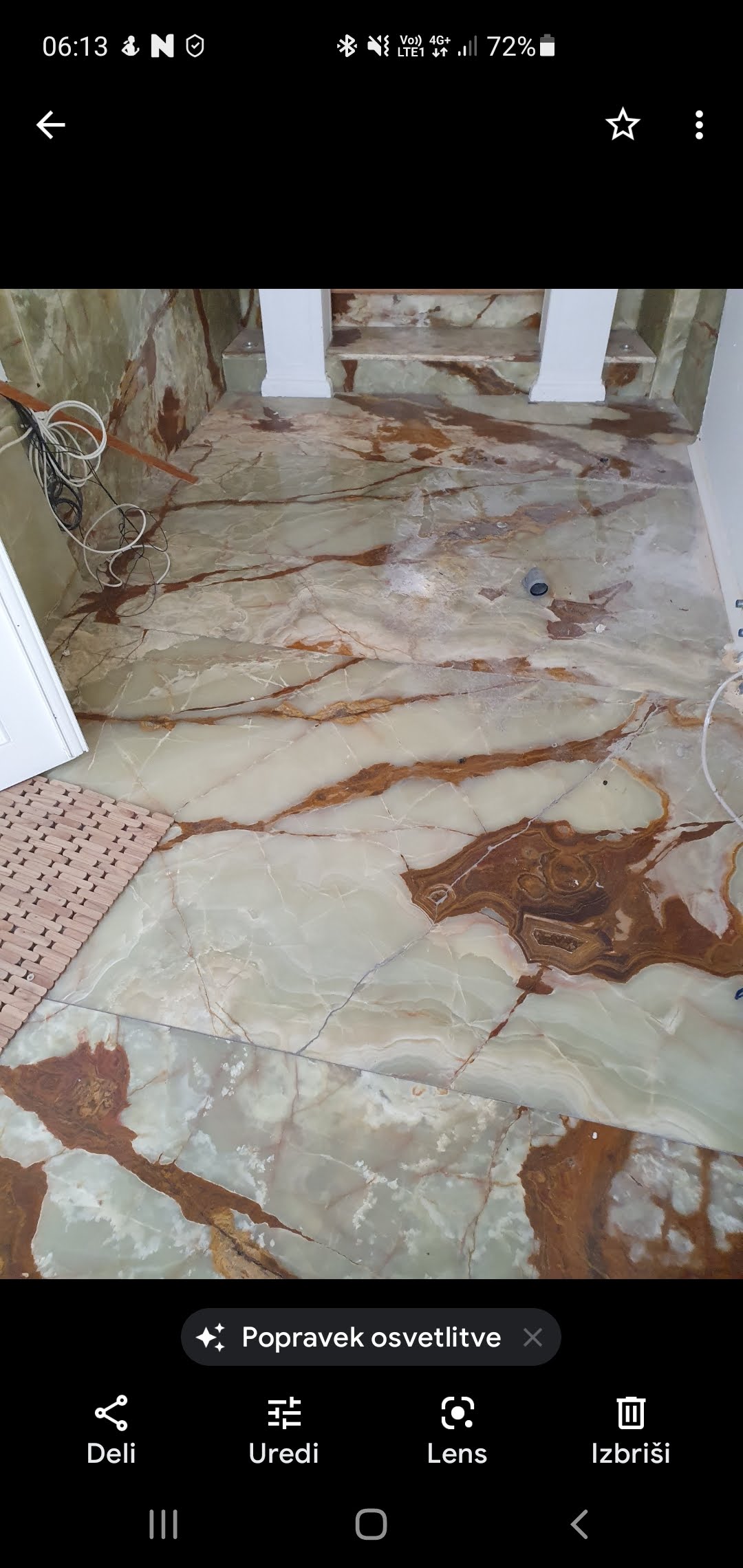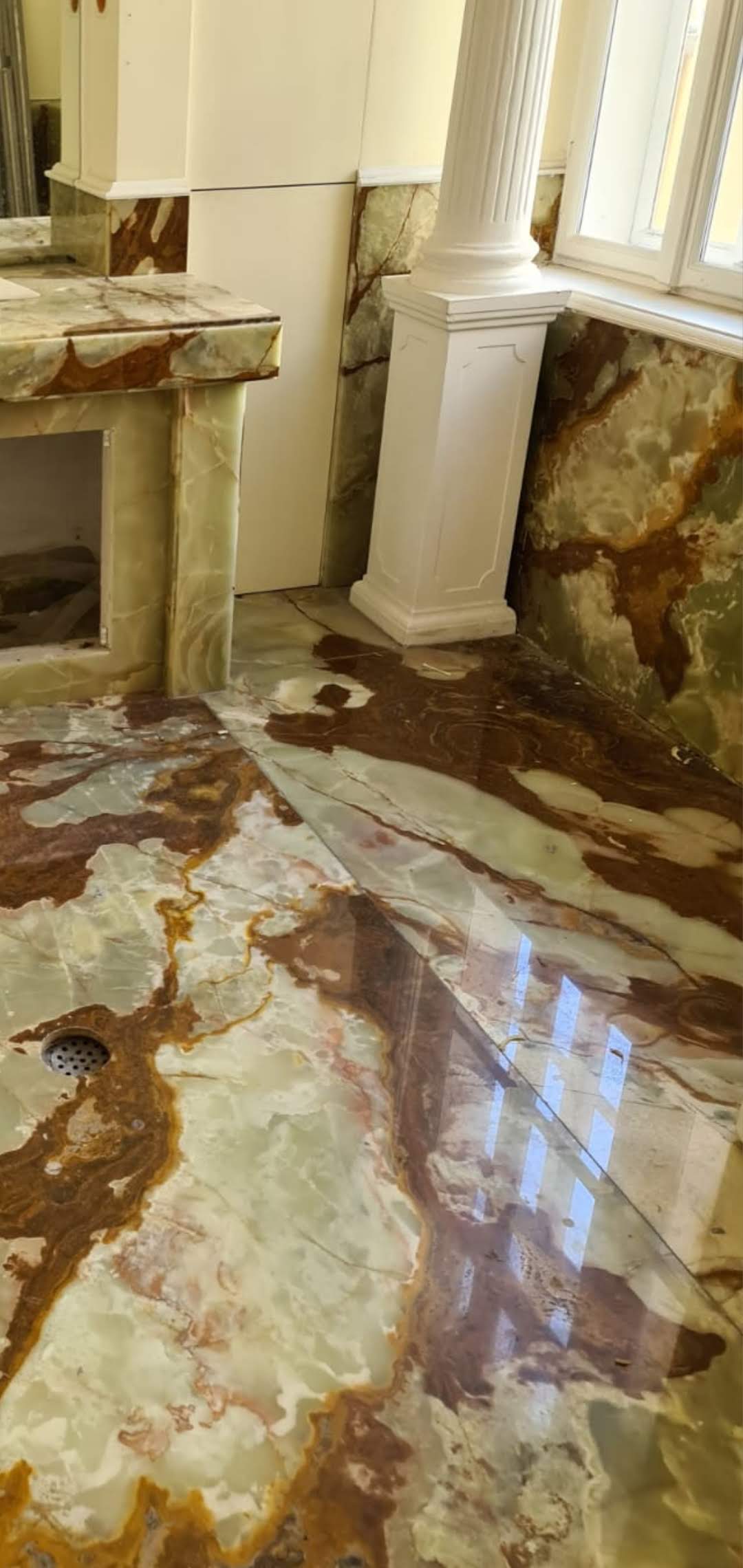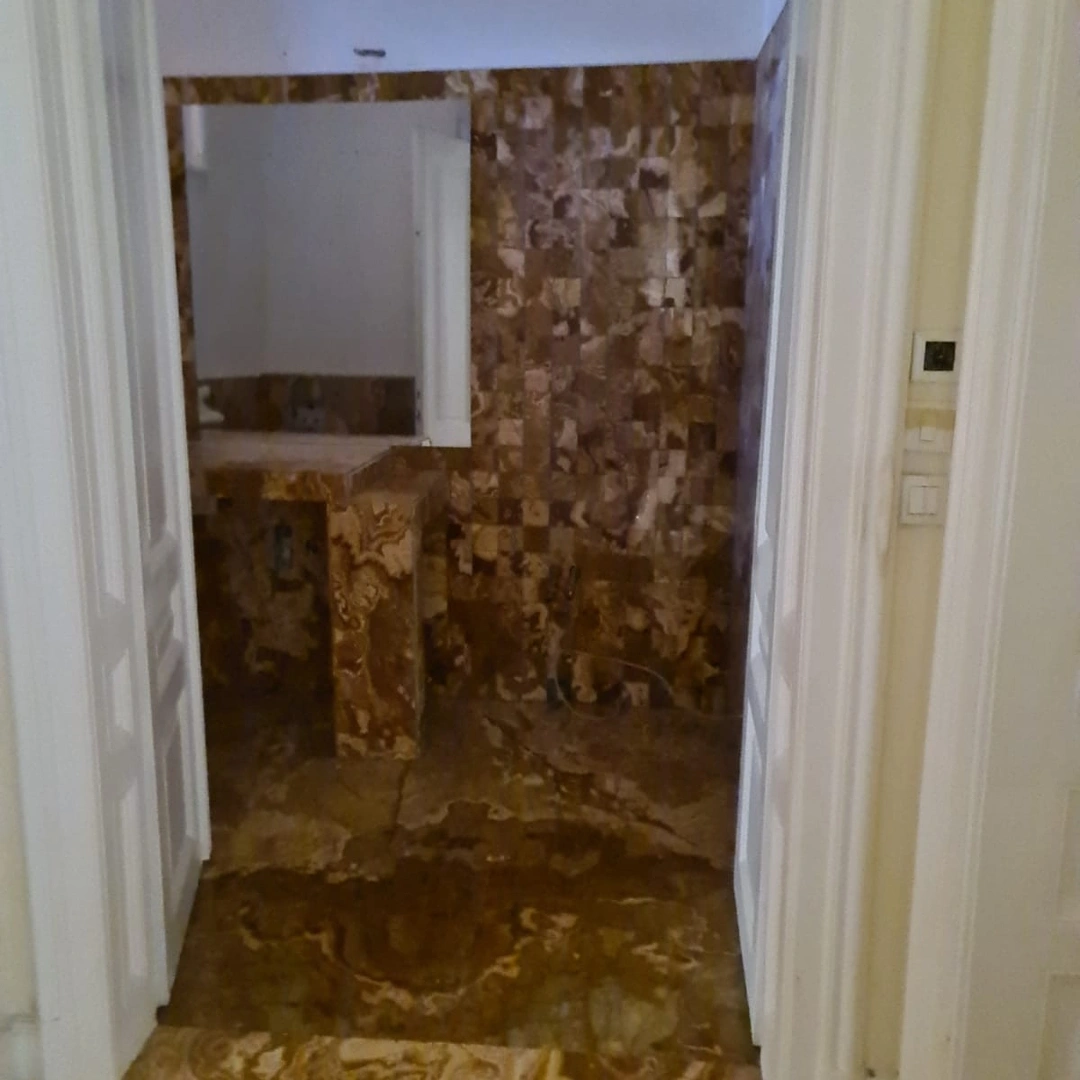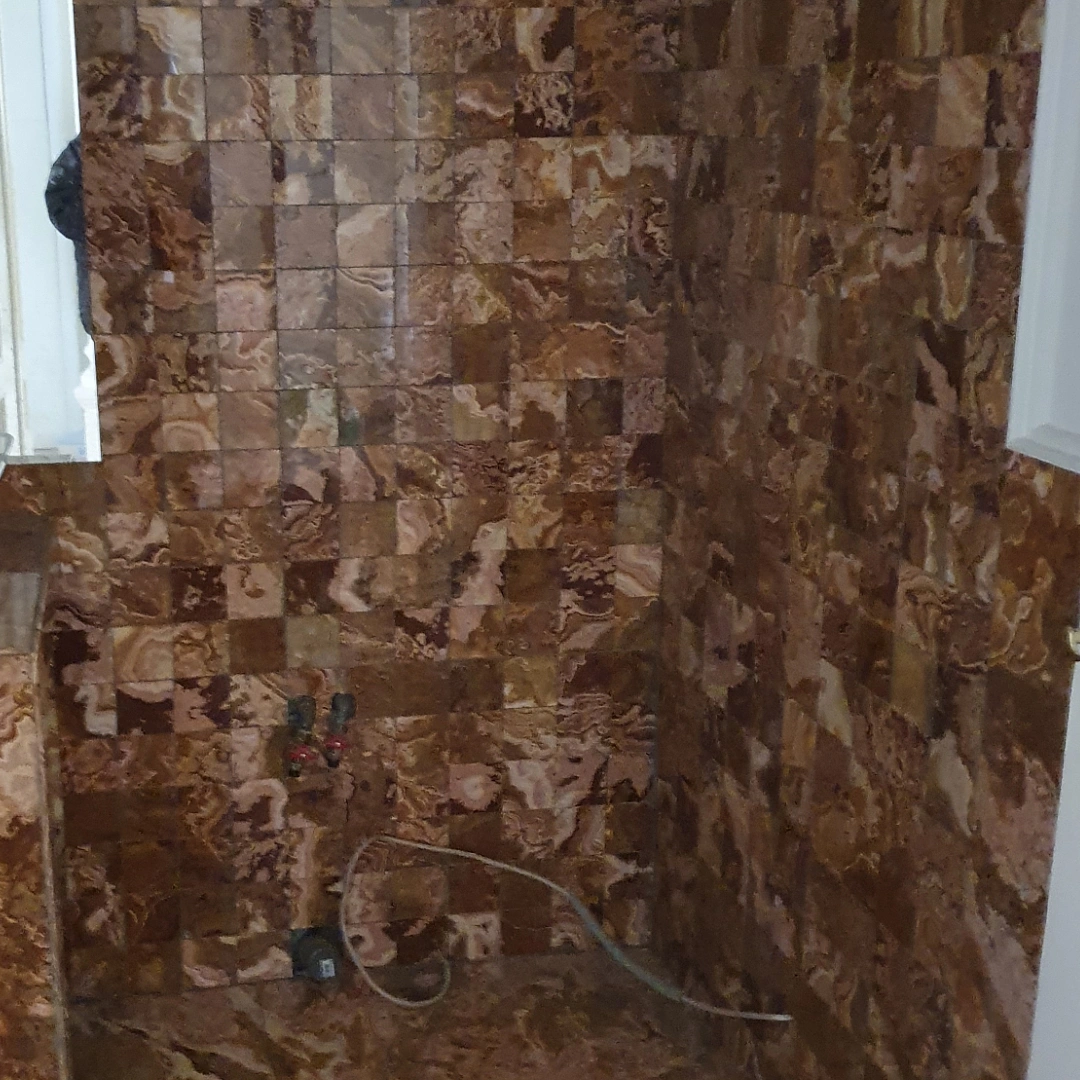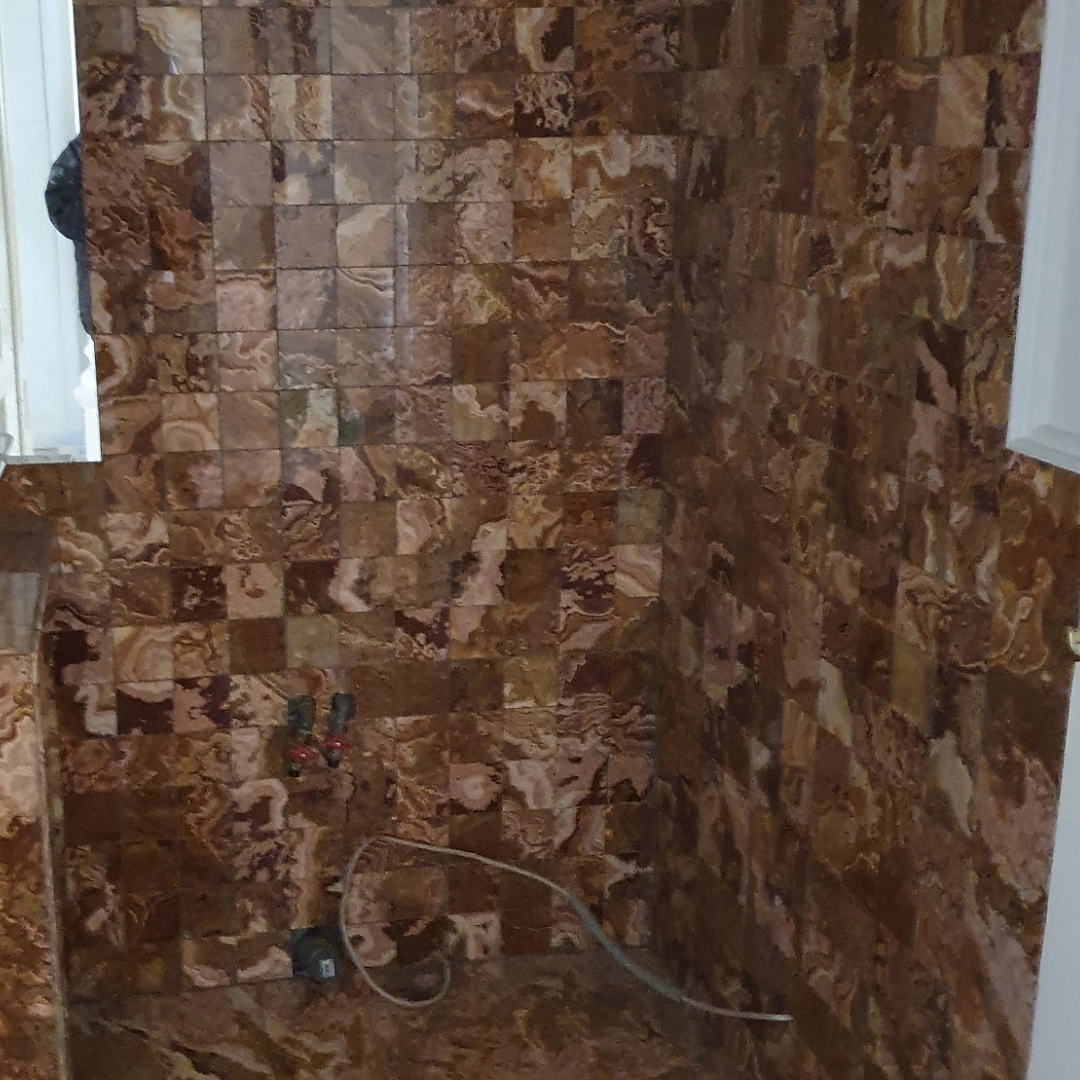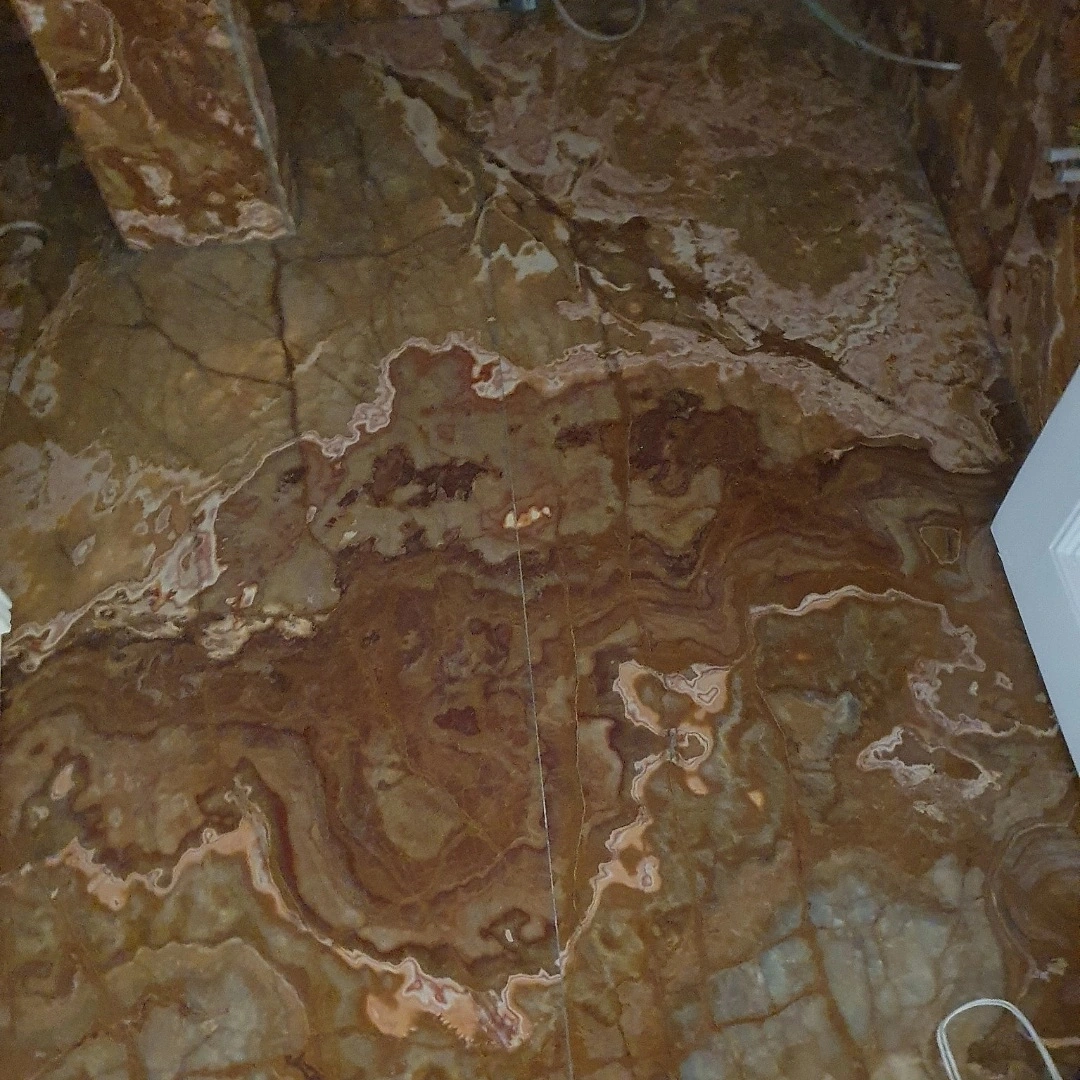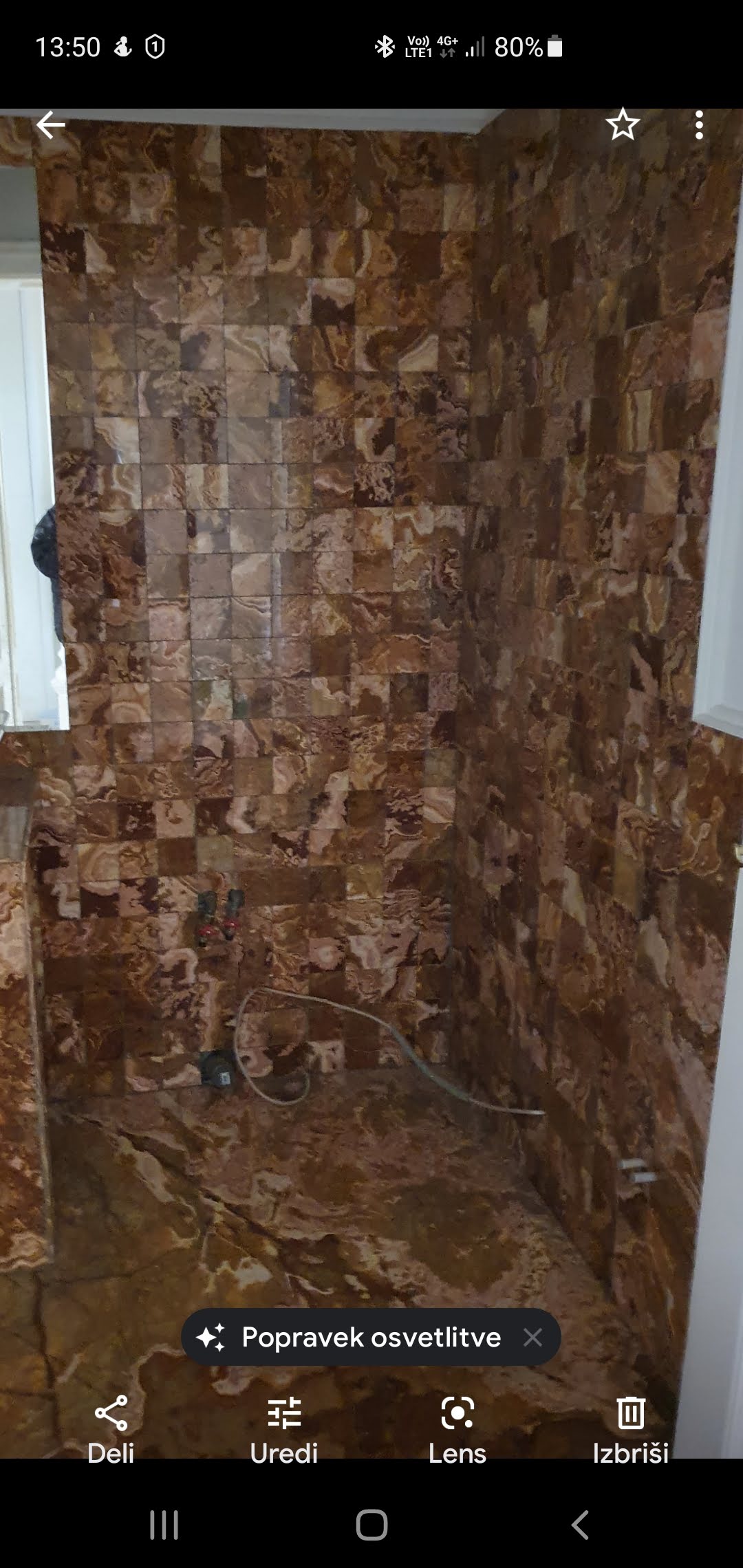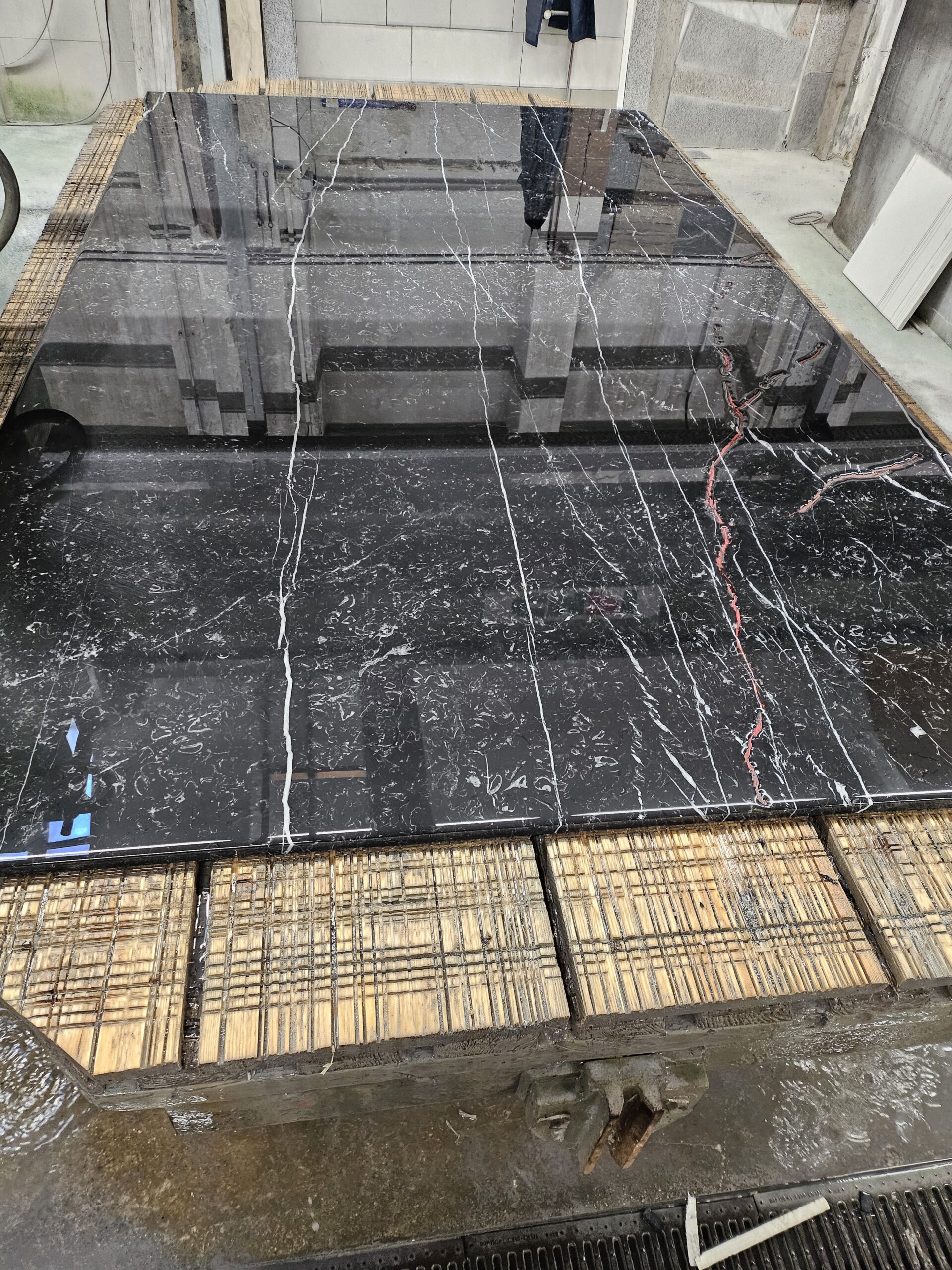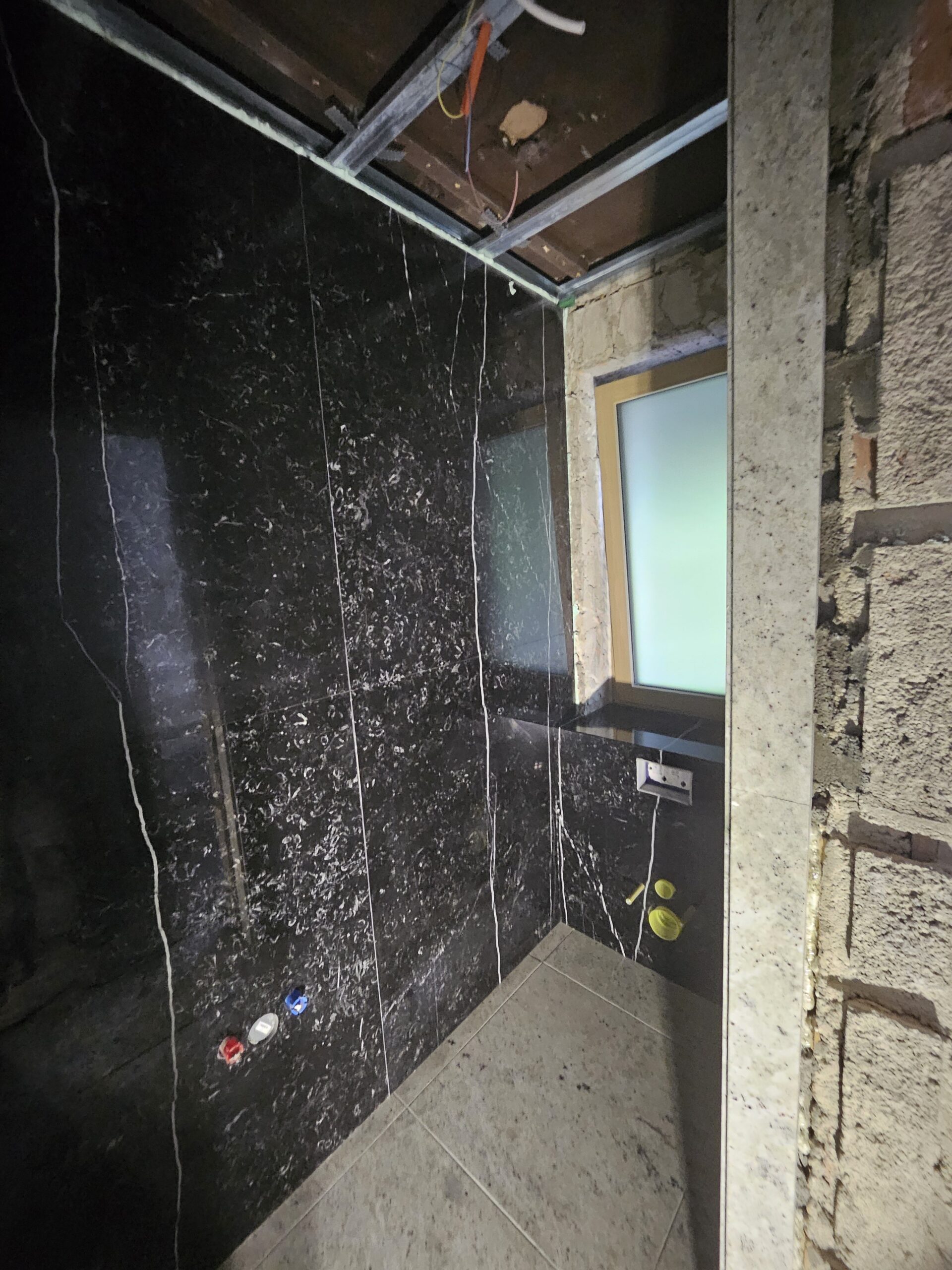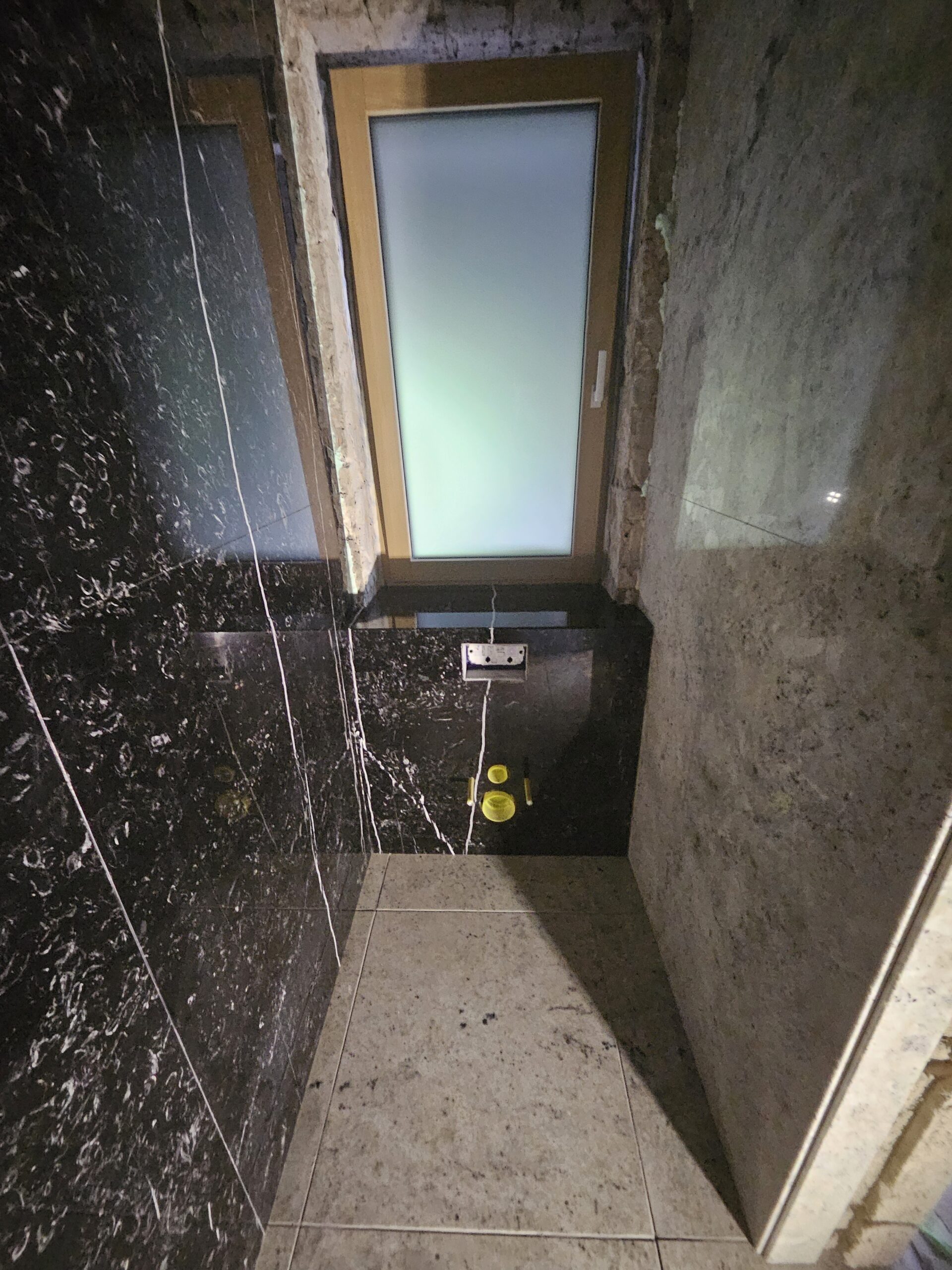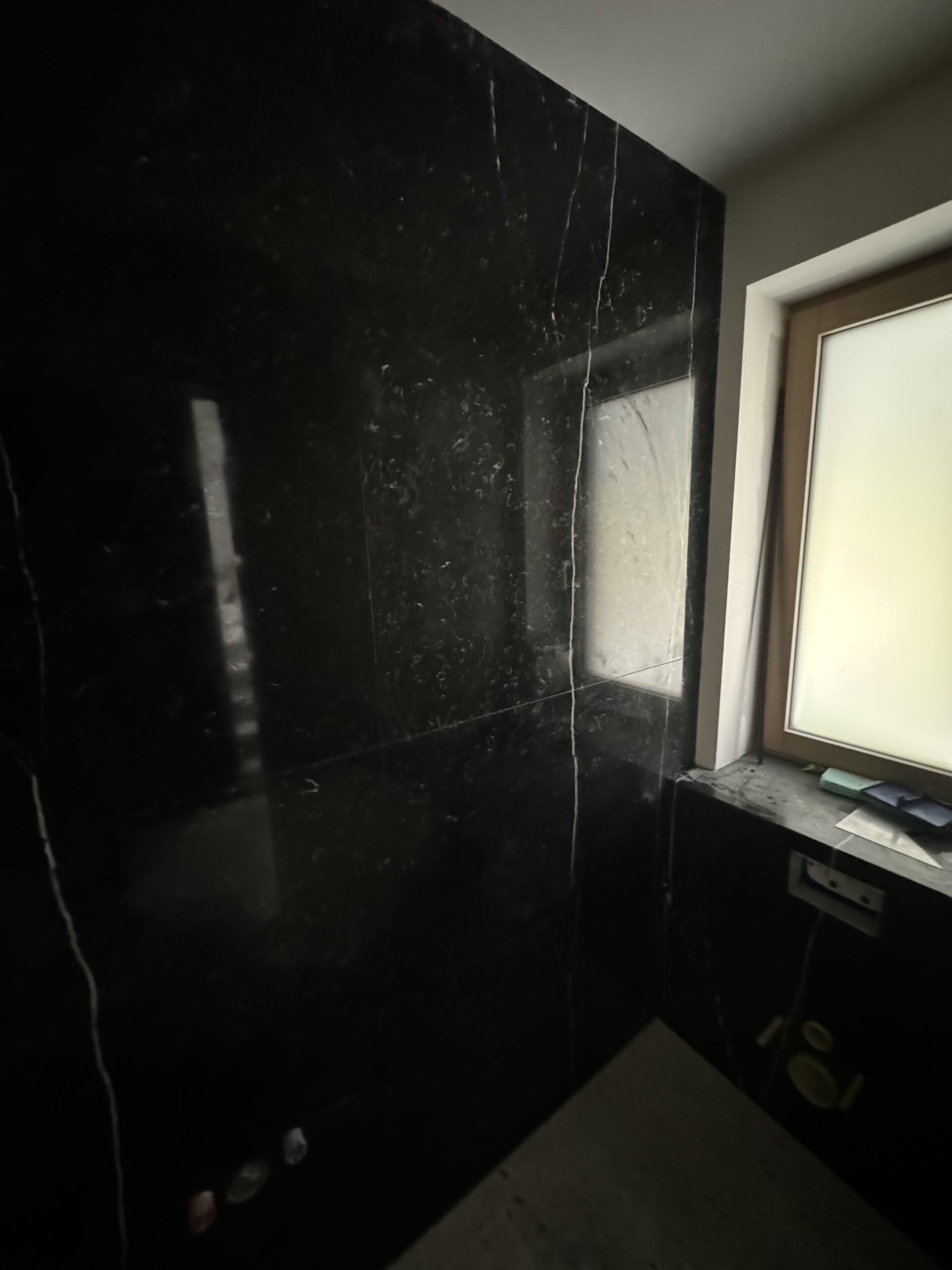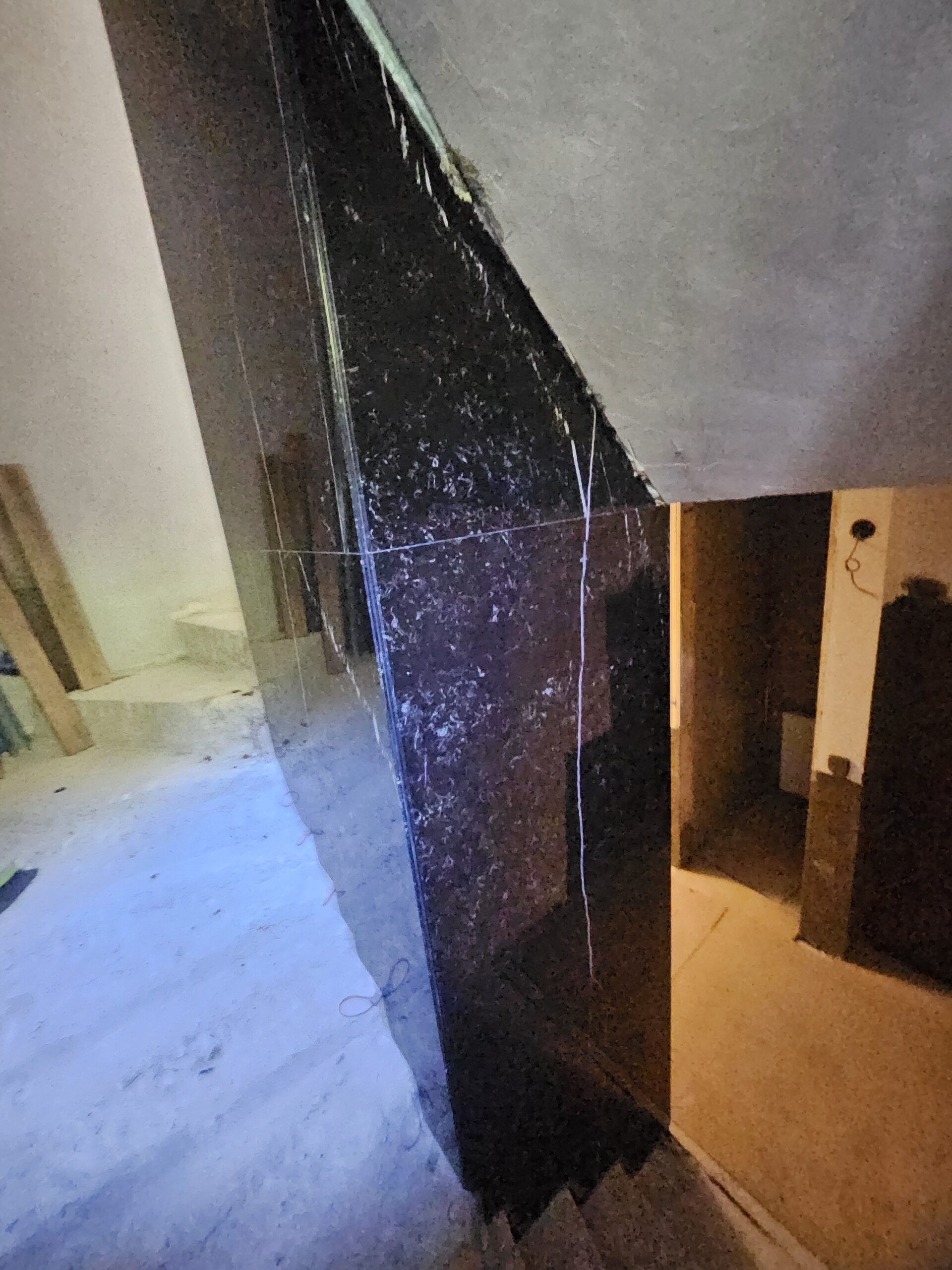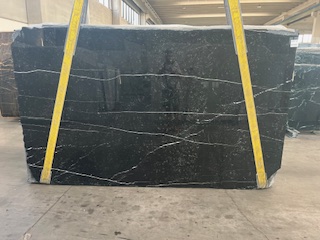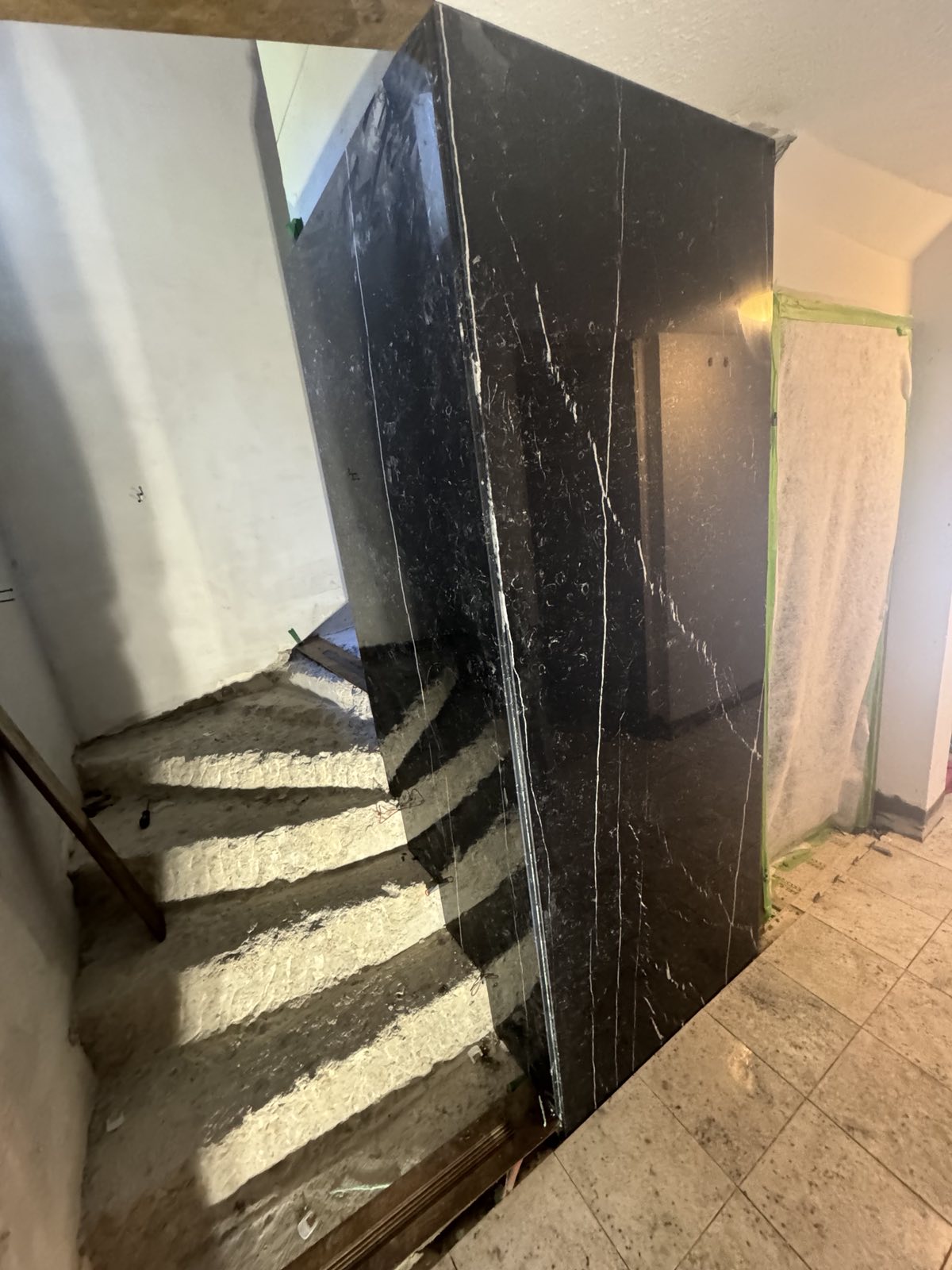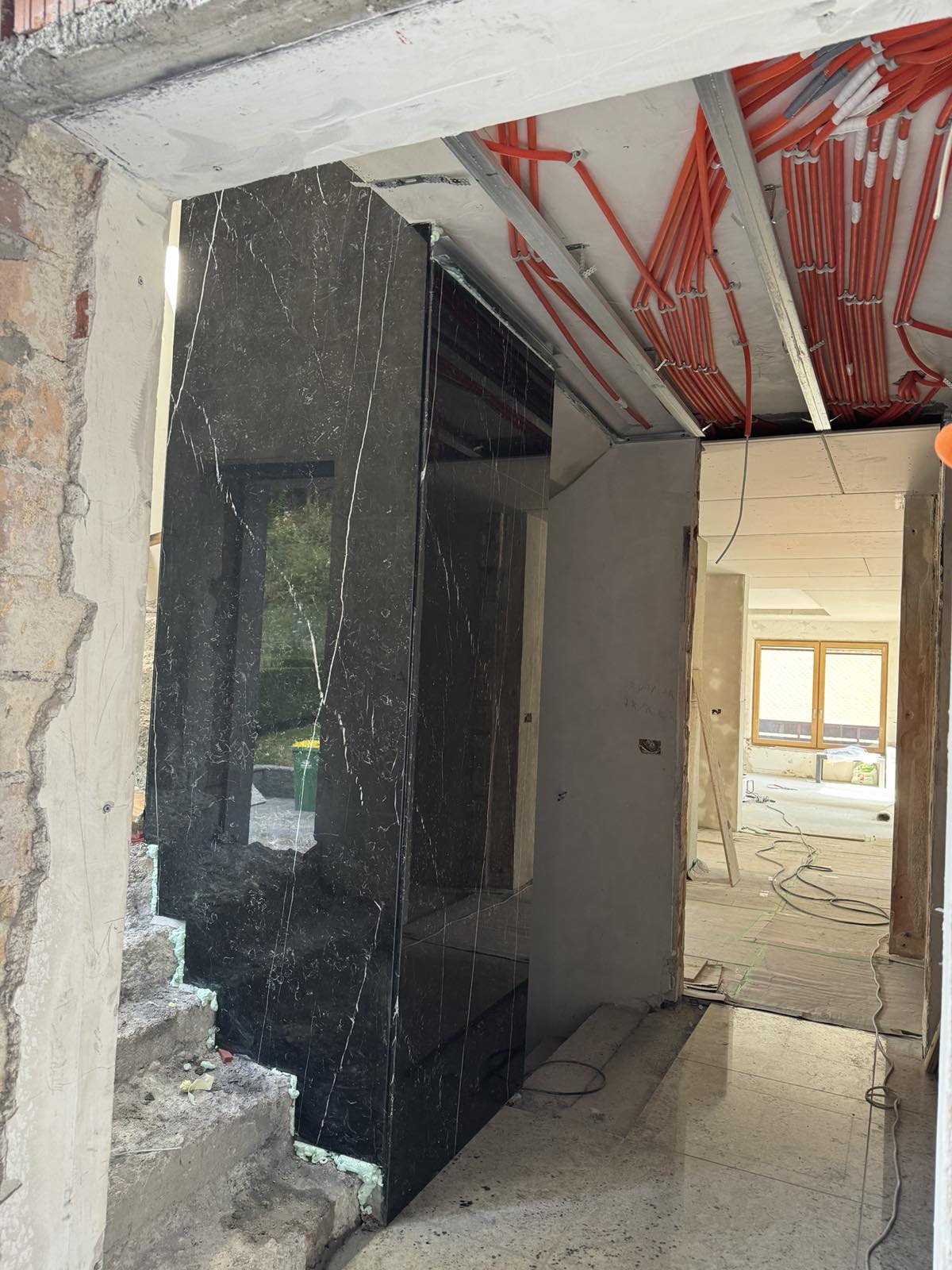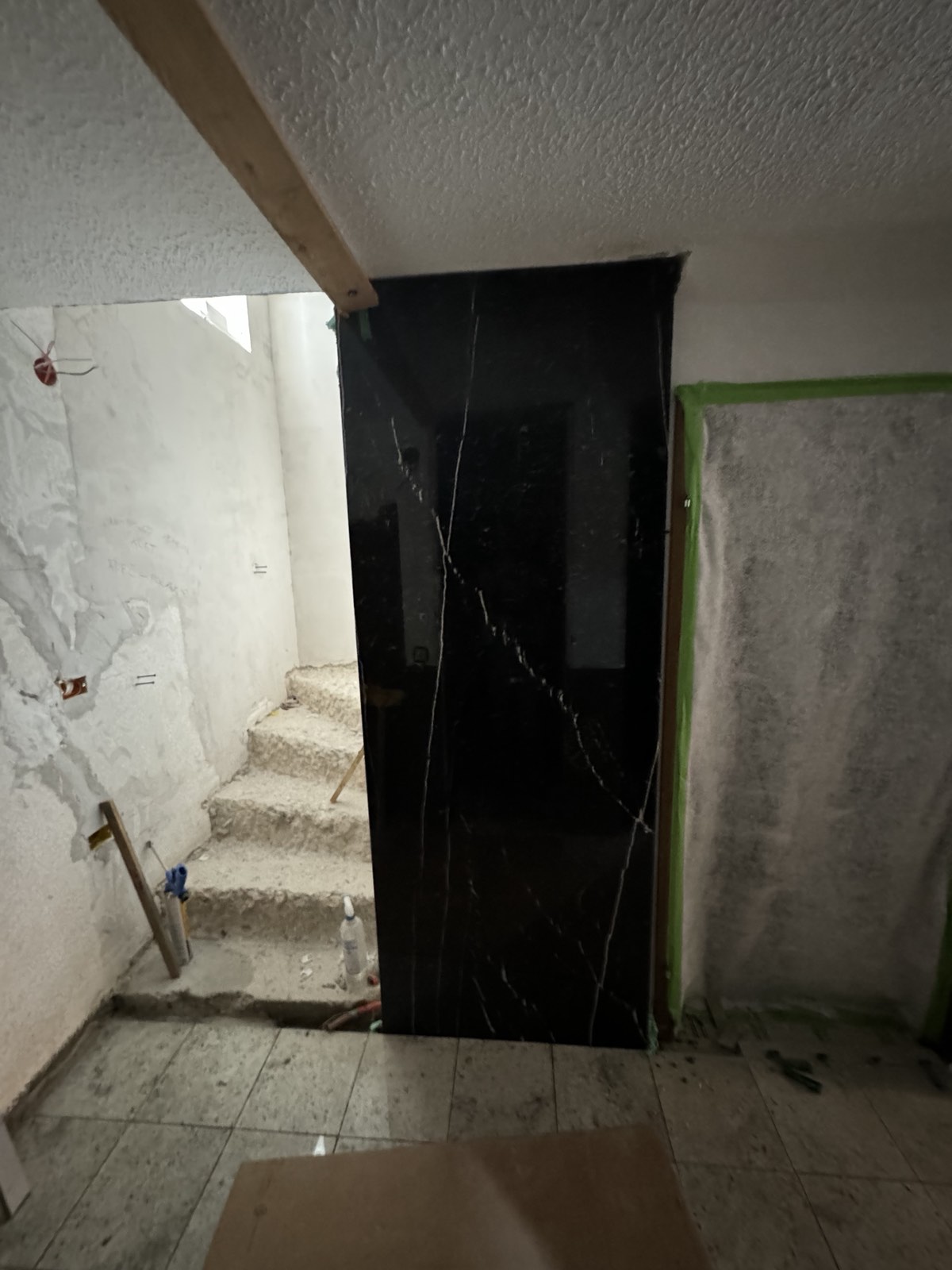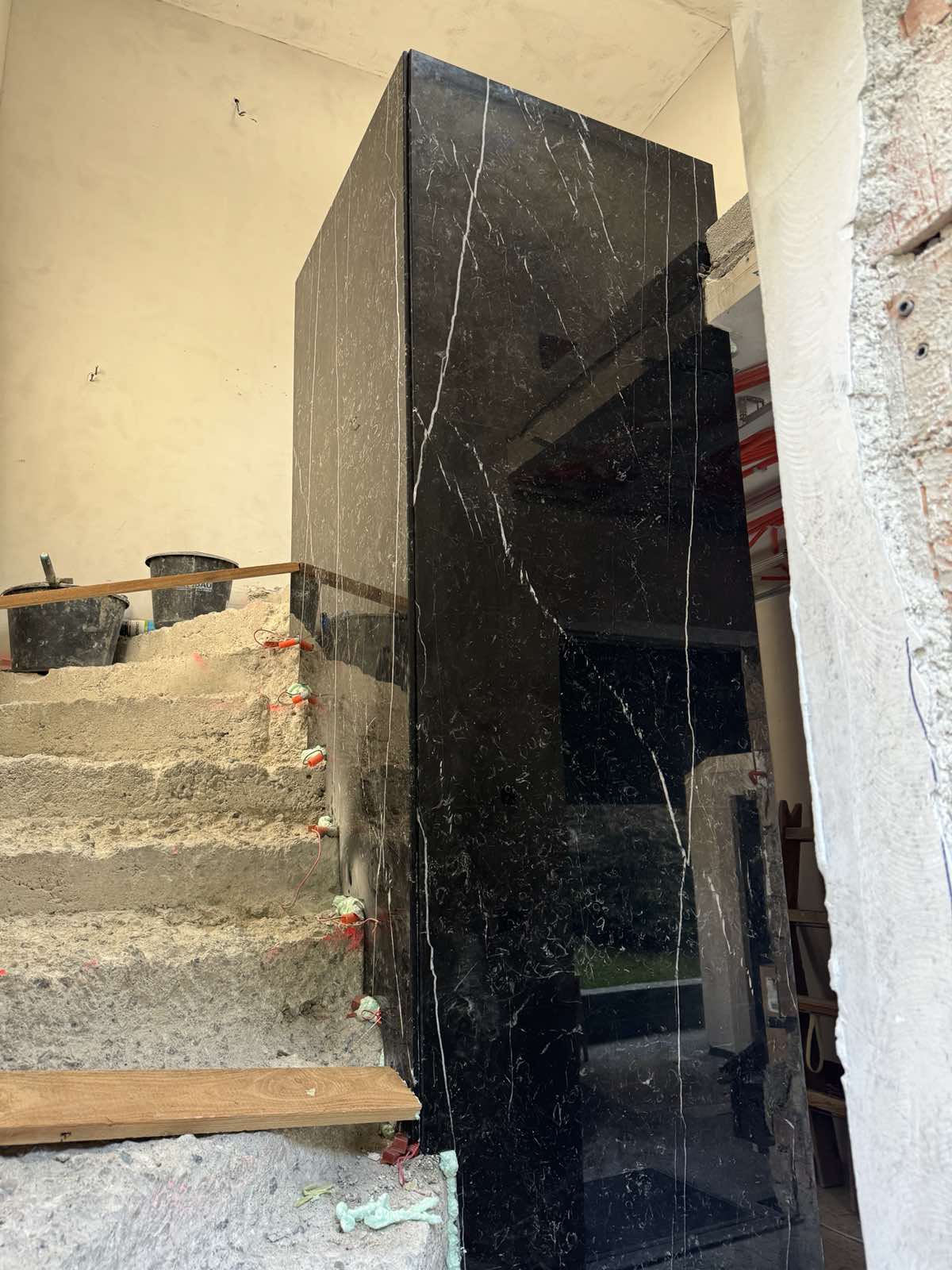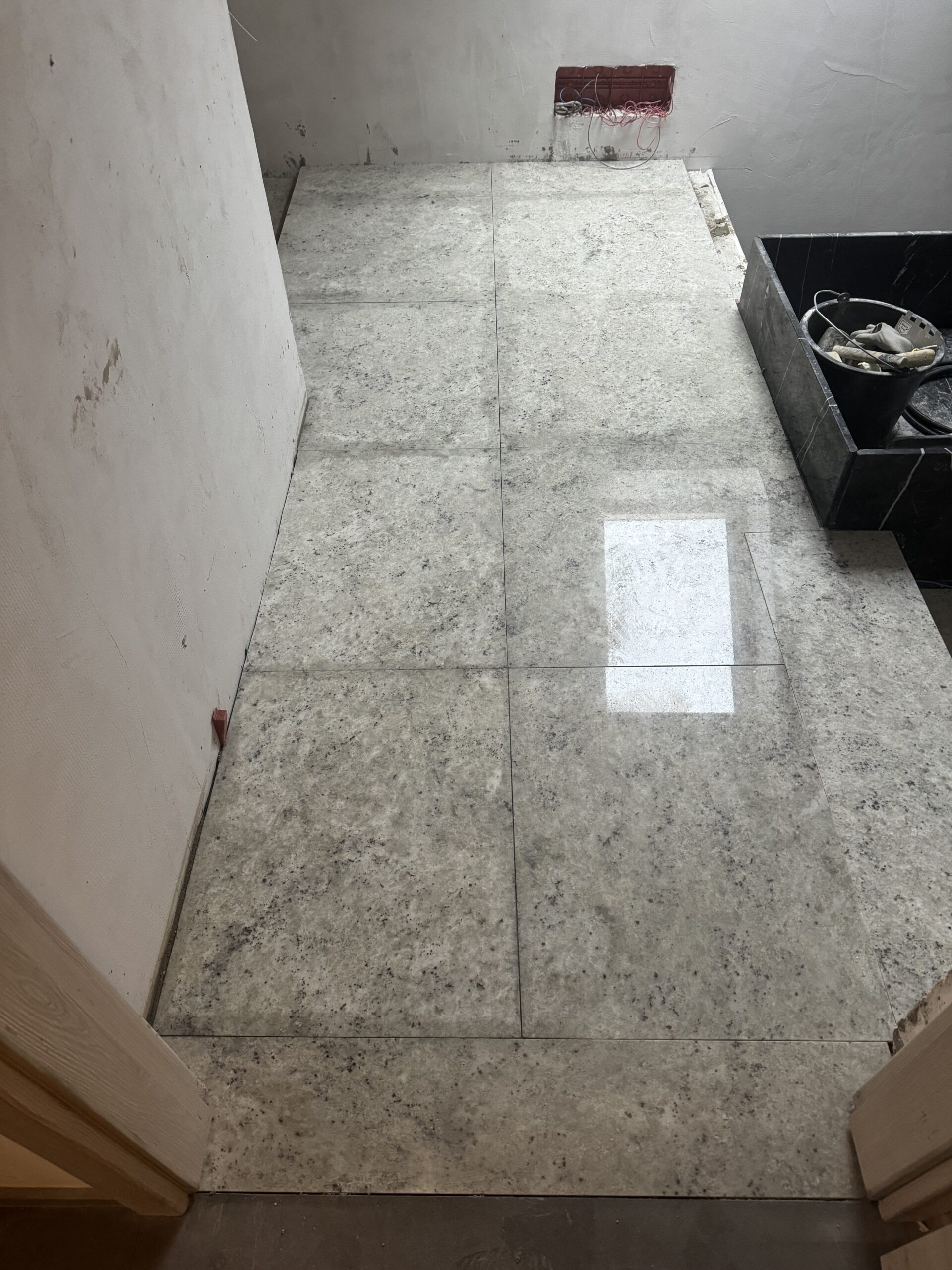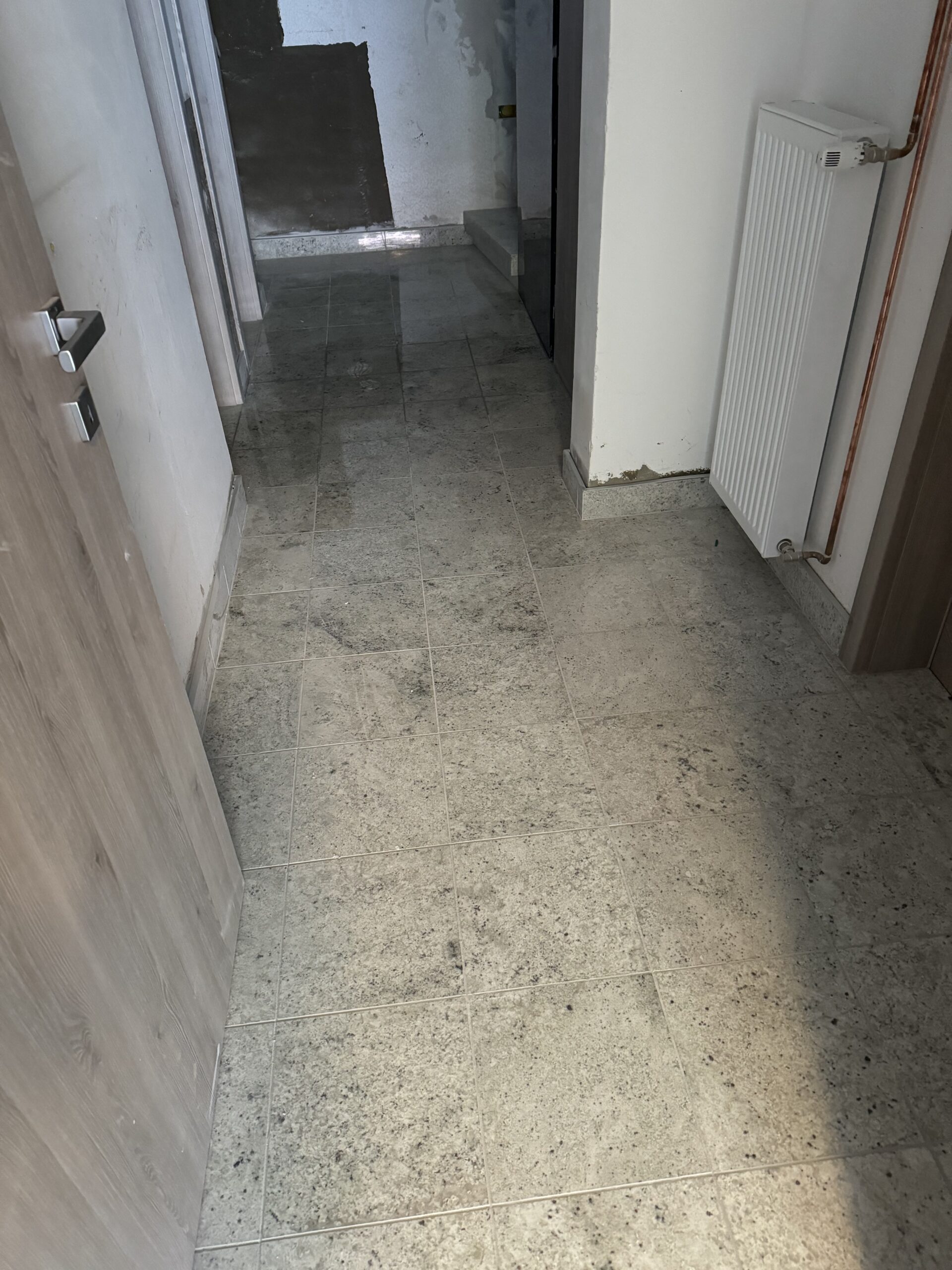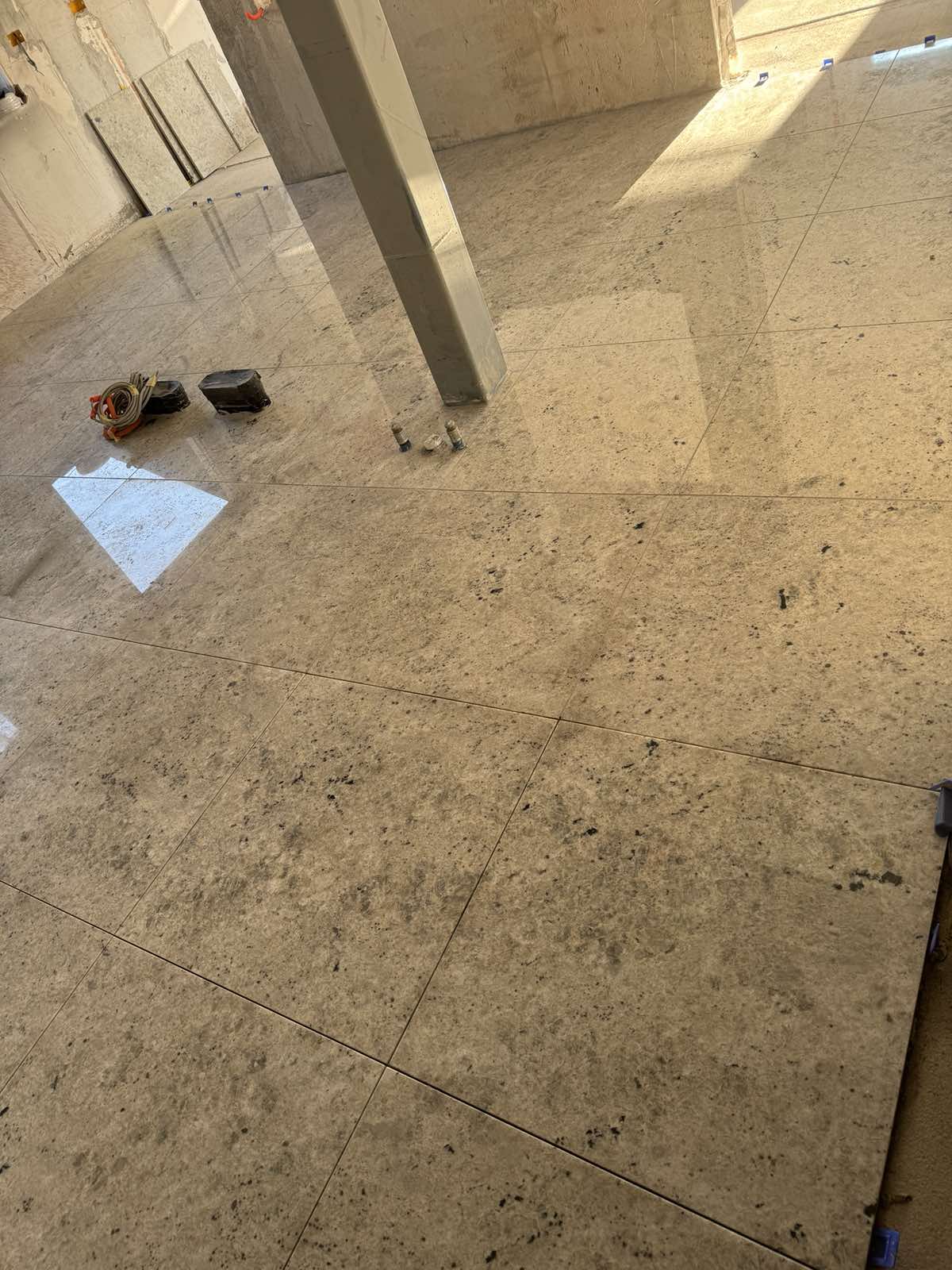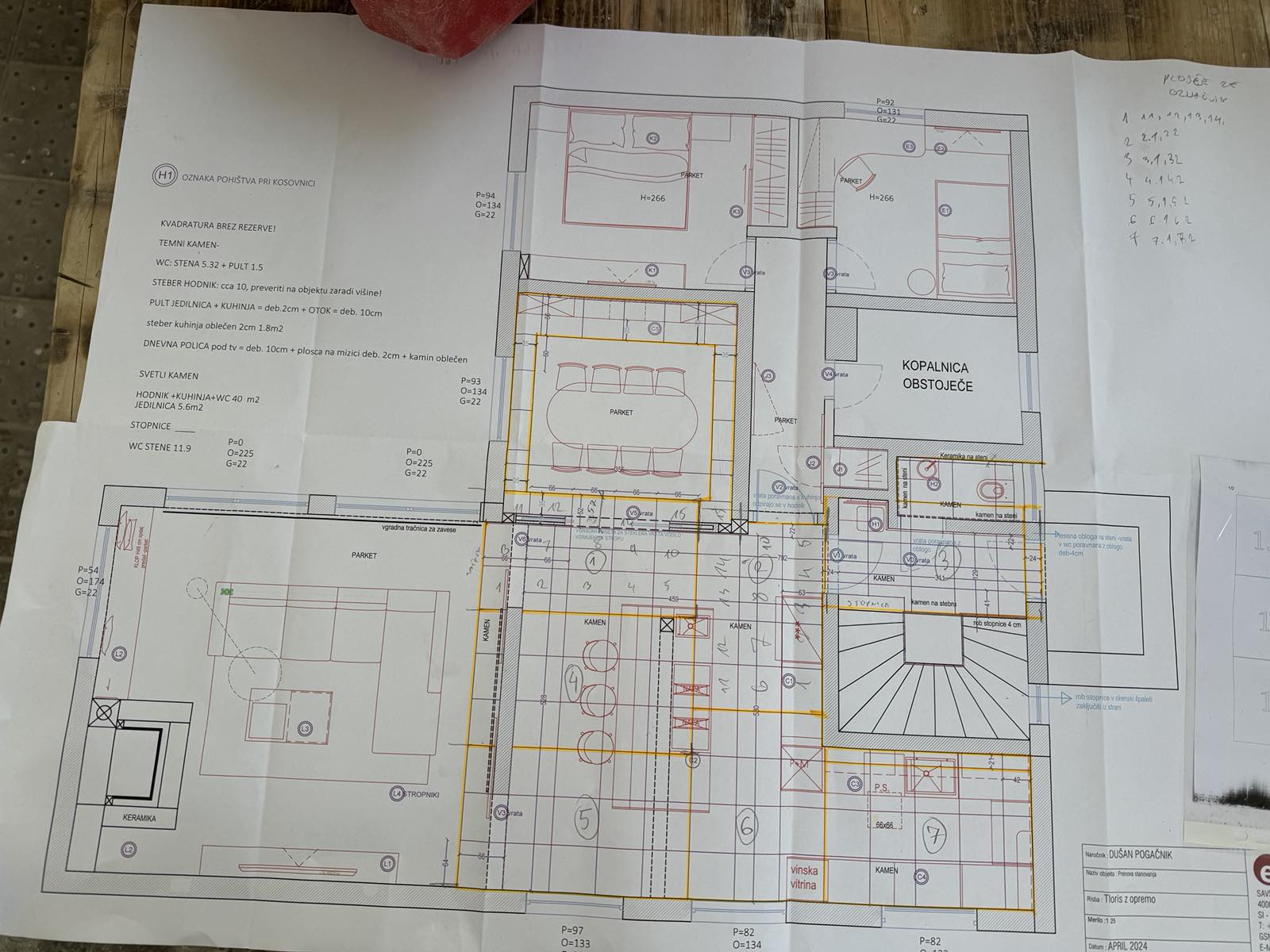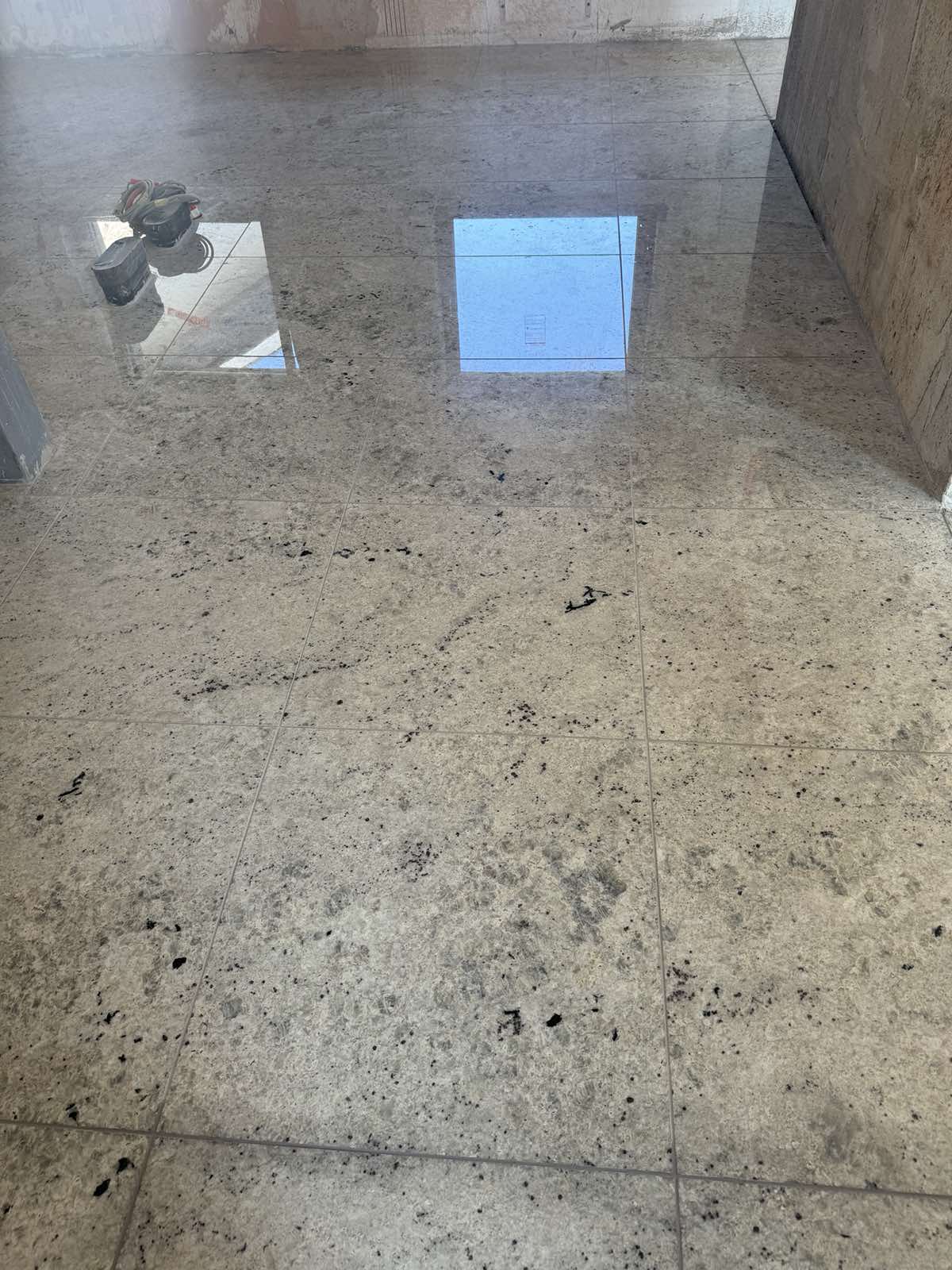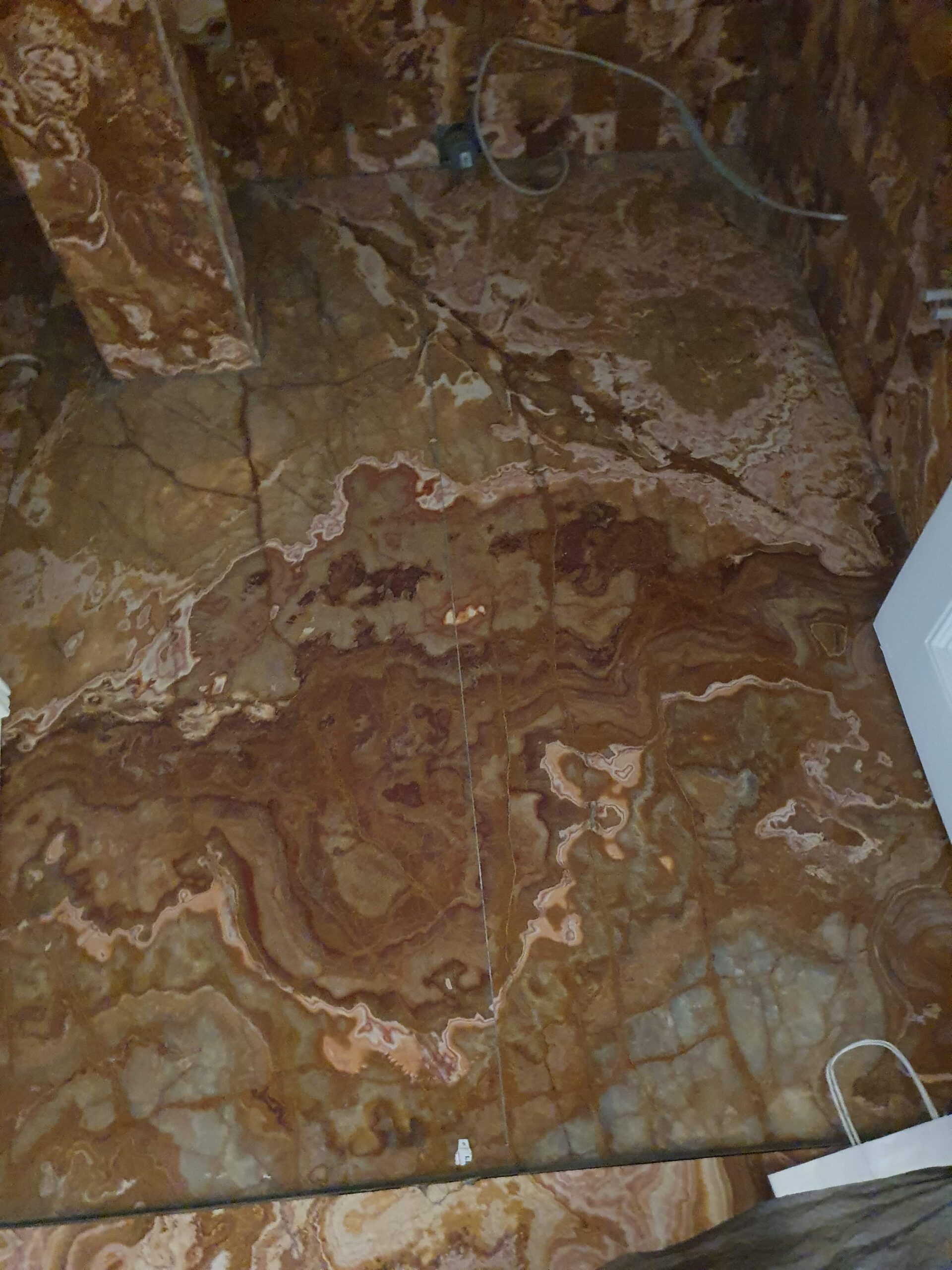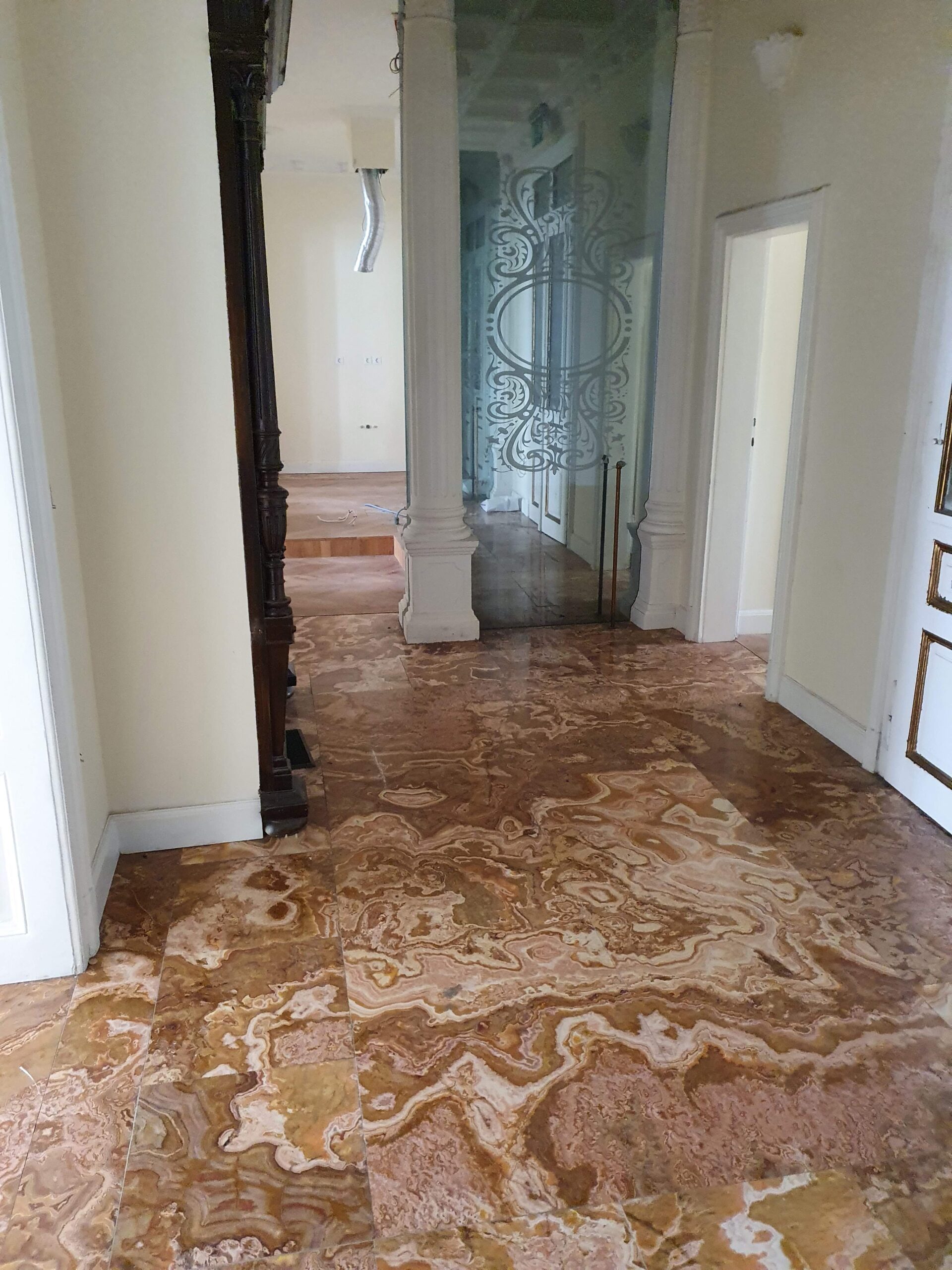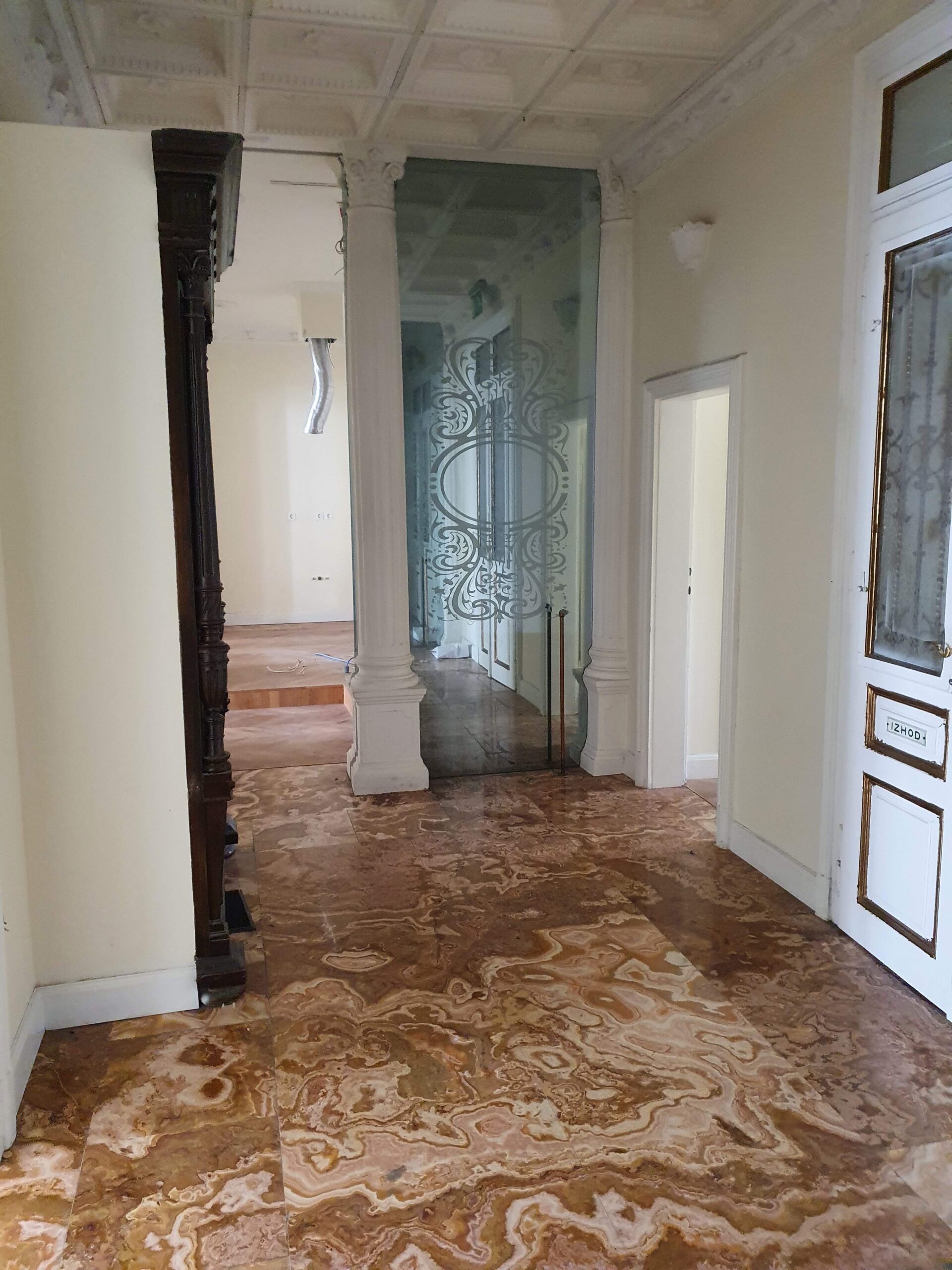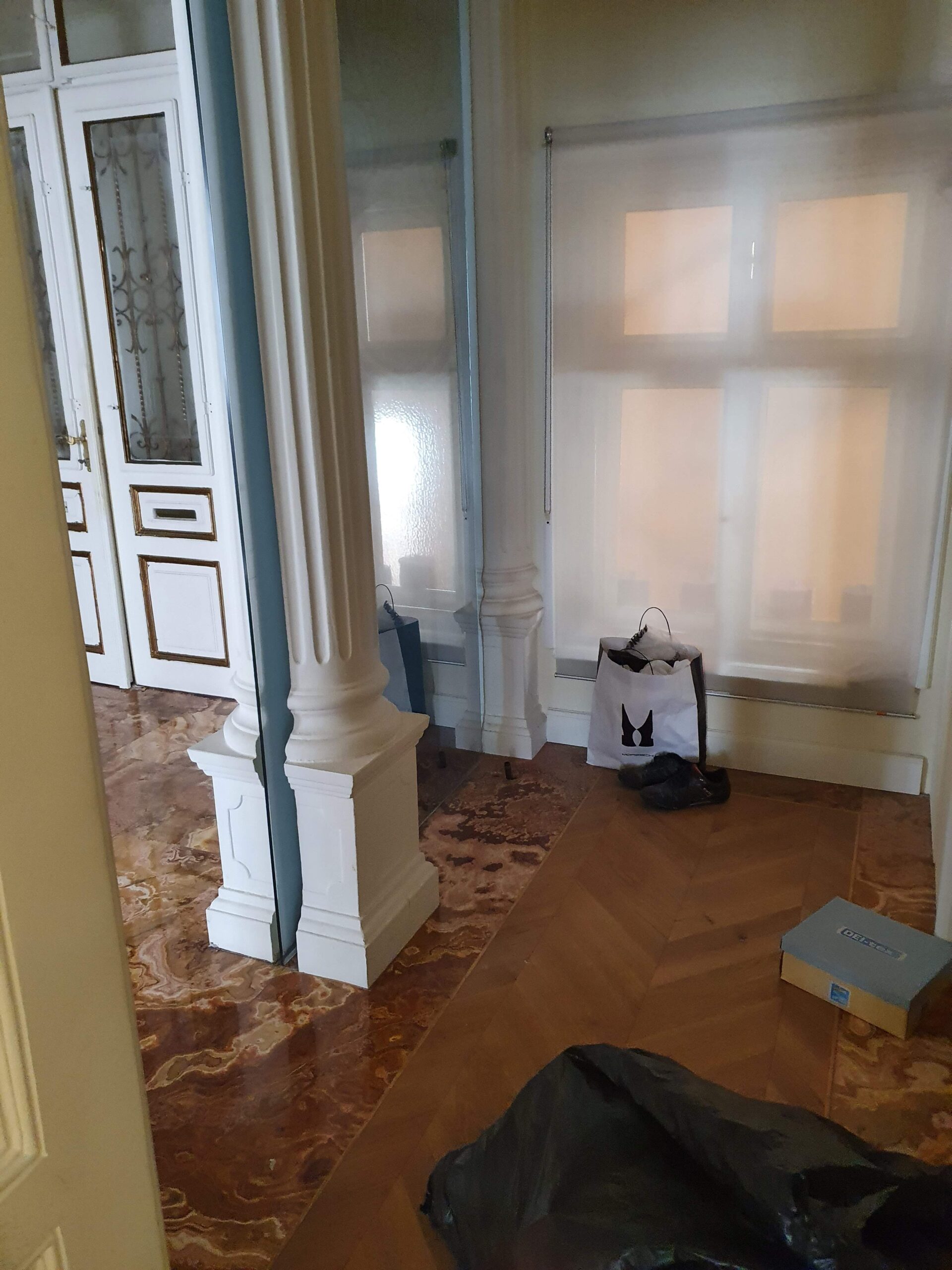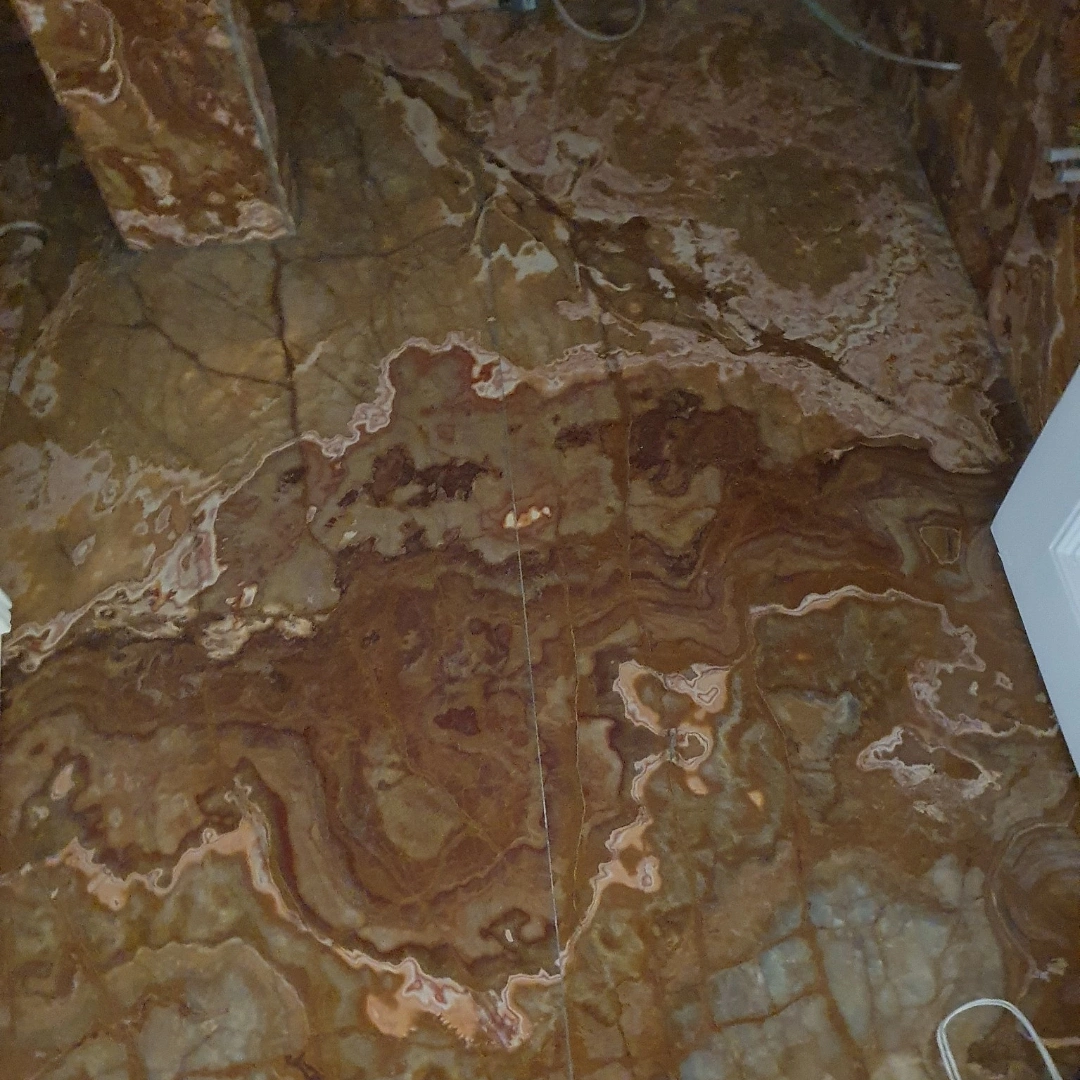
Bihacit is synonymous with expert stone craftsmanship, where tradition, art, and innovation intertwine. Our expertise spans from the ancient masters of the Renaissance and Baroque to modern industrial techniques. We source raw materials from the finest quarries around the world, but operate exclusively within Europe.
Each project is treated as a work of art, where functionality meets aesthetics. Our goal is to create timeless stone structures that reflect mastery and elegance.
Each project is approached individually and with full dedication. We understand that every space is unique, so we take the time to consult with the client, select the perfect materials, and tailor the details to their preferences. Our goal is not only top-notch execution but also to create genuine trust and long-term satisfaction.
We draw inspiration from masterpieces of past centuries, where precision and aesthetics were of utmost importance. We weave this heritage together with modern processing techniques, allowing us to create timeless and refined stone solutions for architecture and interior design.
With decades of experience, we have become a trusted partner in stone processing, design, and restoration.
Stone, a material that has accompanied humanity since the dawn of civilization, tells us stories of past eras. From monumental buildings to delicate sculptures
stone stands as a witness of millennia. Yet time, environment, and human activity leave an indelible mark upon it. This is where stone restoration comes in—a work that is not only a craft, but
brings together science, history, and artistic sensitivity.
Stone restoration is the process of preserving and renewing stone structures or surfaces. Its main goal is not to create something new, but to safeguard and protect what already exists,
but also to respect and highlight its historical and aesthetic value. This means that restorers do not repair damage solely for the sake of visual perfection,
but with the intention of preventing further deterioration and preserving the authenticity of the material.
Even in the past, people attempted to repair and restore stone structures. In the Middle Ages, for example, damaged parts were often replaced with
copies, often without regard for the original material or technique.
The true foundations of modern restoration only began to develop in the 19th and 20th centuries.
Eugène Emmanuel Viollet-le-Duc (1814–1879), a French architect and writer, was one of the first to develop a methodology focused on understanding
the history of the structure. His work emphasized documentation and the use of materials appropriate to the given period. Viollet-le-Duc restored numerous
medieval landmarks in France, including those that had been damaged or abandoned during the French Revolution. His main restoration projects include
Notre-Dame de Paris, the Basilica of Saint-Denis, Mont Saint-Michel, Sainte-Chapelle, and the medieval walls of Carcassonne,
Today, stone restoration is an interdisciplinary science that combines chemistry, geology, art history, and practical expertise.
Successful restoration depends on following a few key principles:
Minimal intervention: The golden rule of restoration is to intervene as little as possible. Preserving the original parts takes priority over replacing them.
Material compatibilityAll new materials used (such as mortar or binders) must be chemically and physically compatible with the original stone. Using unsuitable materials can cause even greater damage.
DocumentationEvery step of the process must be carefully documented—from condition analysis to the choice of materials and the interventions carried out. This documentation
serves as a historical record for future generations.
The restoration process begins with a thorough analysis of the stone’s condition. The type of stone, the causes of deterioration (such as frost, pollution, or biological growth), and the extent of the damage are identified. Based on this, the appropriate method is determined:
Cleaning
Cleaning is one of the most important steps. Mechanical methods (such as low-pressure water jet or micro-abrasive blasting) or chemical methods (such as the use of special cleaning pastes) can be applied.
Consolidation
If the stone is fragile and flaking, a consolidation process can be applied. Special agents are injected into the pores of the stone to increase its strength.
Crack repair and replacement of missing parts
Cracks can be filled with special mortar, while missing parts can be replaced with new, specially shaped stone blocks or with restoration mortars that are both aesthetically and physically similar to the original.
Protection
After the restoration is completed, protective coatings can be applied to the stone to prevent water penetration and further deterioration.
Stone restoration is a demanding task that requires extensive knowledge and experience. It is the art of preserving history and beauty so that stone monuments can continue to tell their stories for generations. By maintaining stone through restoration processes, we also preserve a part of our history and identity.
Our services range from the precise processing of raw blocks to the creation of prestigious stone products that offer timeless aesthetics and durability.
We collaborate with architects, builders, and private clients seeking the highest quality, exclusive materials, and masterful execution. For every project, we ensure an individualized approach and solutions tailored to the unique requirements and vision of the client.
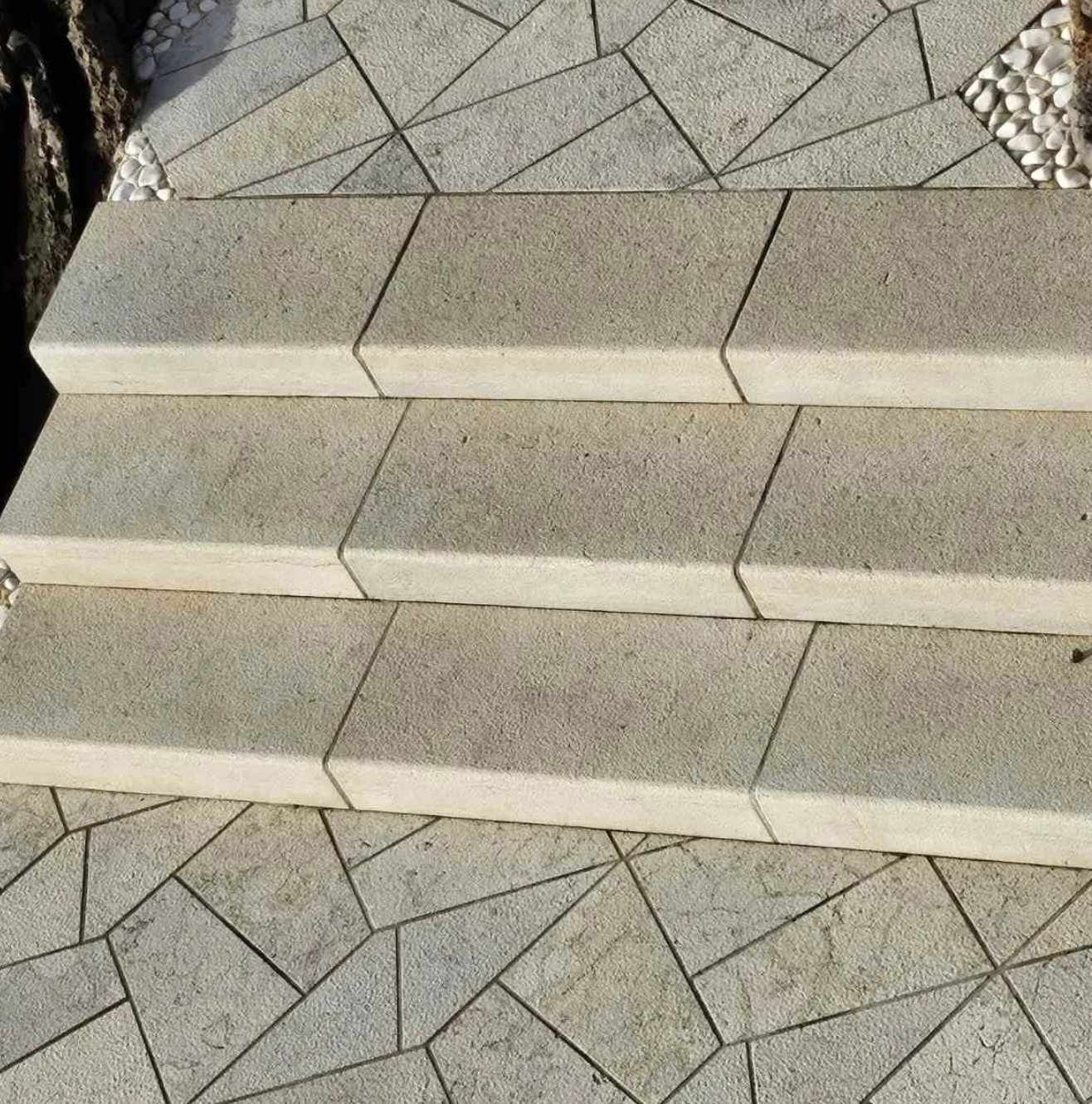
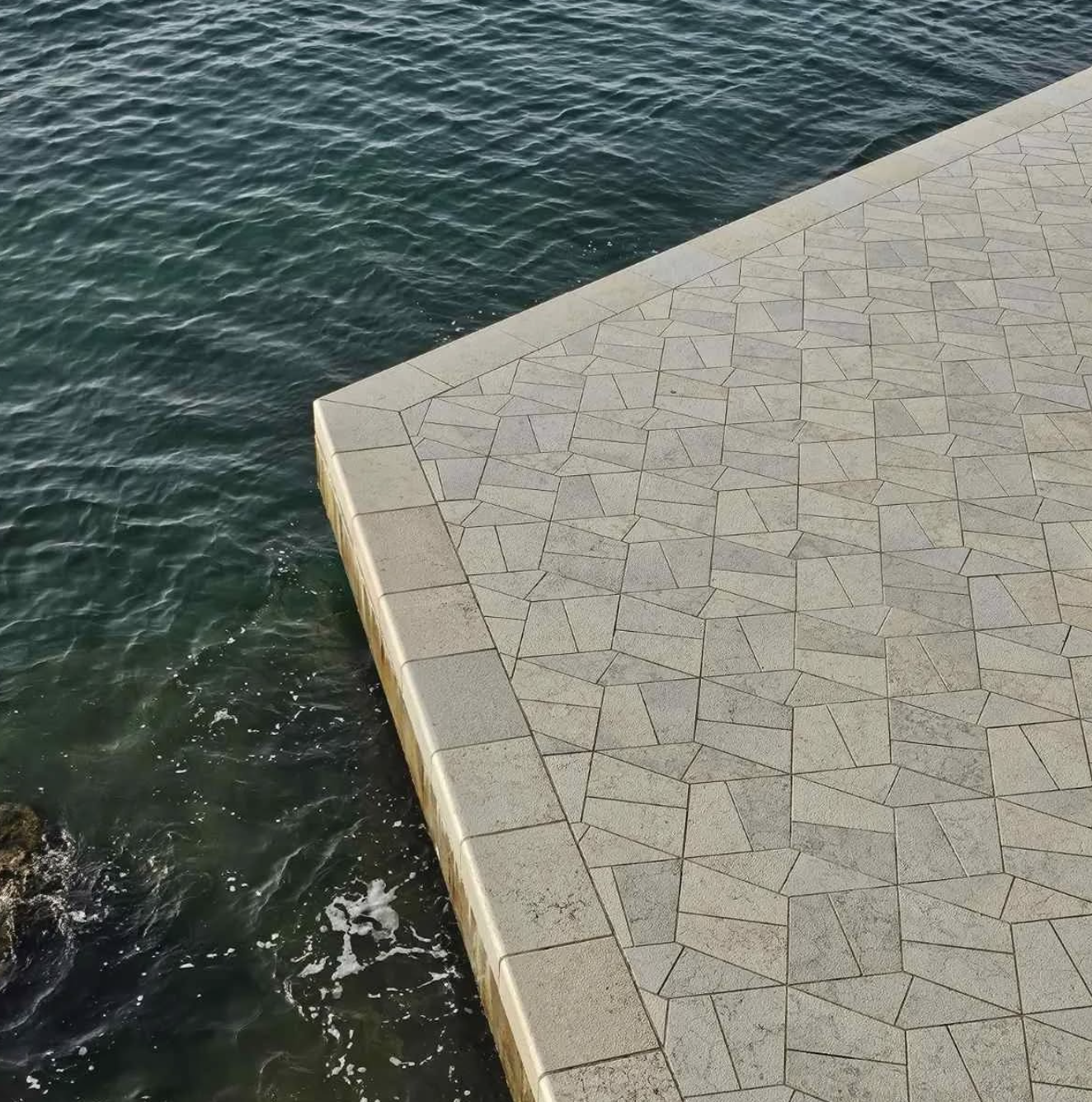
Naravni kamen je čudovit material, ki pa z leti zaradi vremenskih vplivov izgubi svoj prvotni videz. Nudimo vam profesionalno čiščenje umazanega kamna, s katerim učinkovito odstranimo trdovratne obloge, mah, lišaje in nakopičen apnenec.
Naša storitev ne zajema le estetske osvežitve, temveč tudi strokovno vzdrževanje. Po temeljitem čiščenju poskrbimo za ustrezno zaščito oziroma impregnacijo (uporabljamo vrhunsko impregnacijo LITHOS PROTECT), ki preprečuje vpijanje umazanije in podaljšuje življenjsko dobo vaših tal, stopnic ali teras. Povrnite svojemu kamnu sijaj, ki ga je imel prvi dan!
Ohranjanje urejenega videza spomenikov je pomemben izraz spoštovanja do spomina na naše najdražje, vendar so ti zaradi nenehne izpostavljenosti vremenskim vplivom podvrženi hitremu nabiranju umazanije. Dež, sneg, cvetni prah in vosek sveč sčasoma povzročijo nastanek trdovratnih črnih oblog, mahu in lišajev, ki jih z običajnim pranjem ni mogoče odstraniti. Naša ekipa vam nudi popolno rešitev za temeljito globinsko čiščenje vseh vrst kamna, pri čemer uporabljamo izključno namenska in kamnu prijazna sredstva, ki učinkovito odstranijo nečistoče, hkrati pa ohranijo naravno strukturo in sijaj materiala.
Vsako življenje piše edinstveno zgodbo, polno spominov, ljubezni in dosežkov. Ko se poslavljamo od tistih, ki so nam pomenili največ, si želimo, da bi bil njihov spomin ohranjen spoštljivo, dostojanstveno in trajno. V Bihači kamnoseštvu to globoko odgovornost prelivamo v vsak spomenik, ki ga ustvarimo.
Izdelava nagrobnih spomenikov za nas ni zgolj tehnični postopek, ampak globoko osebno obrtniško delo. Združujemo generacije znanja, spoštovanje do tradicije in sodobne tehnike obdelave, da iz surovega kamna izvabimo obliko, ki govori brez besed.
Verjamemo, da mora spomenik odražati energijo in osebnost tistega, ki mu je posvečen. Zato se vsakemu projektu posvetimo individualno in z visoko mero empatije:
Izbira vrhunskih materialov: Delamo z najbolj kakovostnimi vrstami domačega in svetovnega kamna (granit, marmor), ki kljubujejo času in vremenskim vplivom.
Unikatno oblikovanje: Od klasičnih, brezčasnih linij do modernih, minimalističnih oblik in unikatnih reliefov.
Natančni detajli: Poskrbimo za vrhunsko izvedbo napisov (klesani, pisani, kovinski), montažo dodatkov (vaze, lučke) in celostno ureditev grobnega mesta.
Obnova in osvežitev: Poleg izdelave novih spomenikov z enakim spoštovanjem obnavljamo tudi starejše nagrobnike, jim vračamo prvotni sijaj in popravljamo zbledela pisma.
Kamen, ki ga izberete, bo tam stal desetletja. Prepustite njegovo oblikovanje rokam, ki kamen razumejo, ga spoštujejo in vanj vklešejo trajnosten spomin. Oglasite se v naši delavnici, da skupaj poiščemo pravo obliko za vašo zgodbo.
Verjamemo, da pravi kamnosek ne oblikuje le kamna, temveč z njim ohranja zgodovino, tradicijo in spoštovanje do narave. Kamen je večen, a znanje o njegovi obdelavi je živa stvar – če ga ne negujemo in ne prenašamo naprej, lahko hitro zbledi.
Za nas kamnoseštvo ni le vsakodnevno delo, ampak je strast, podprta z desetletji učenja, opazovanja in piljenja tehnik. Ker vemo, kako težko je v sodobnem svetu najti kakovostne, poglobljene in praktične informacije o tej plemeniti obrti, smo se odločili, da stopimo korak dlje.Znanja ne želimo skrivati v svojih delavnicah. Želimo, da raste skupaj z vami. Zato smo našo ponudbo razširili z izbrano literaturo o kamnoseštvu.
Ne glede na to, ali ste izkušen mojster, ki išče specifične detajle, dijak, ki šele spoznava vonj po kamnitem prahu, ali pa preprosto navdušenec nad dediščino – prava knjiga vam bo odprla nova obzorja. Investicija v literaturo je investicija v trajnostno znanje.
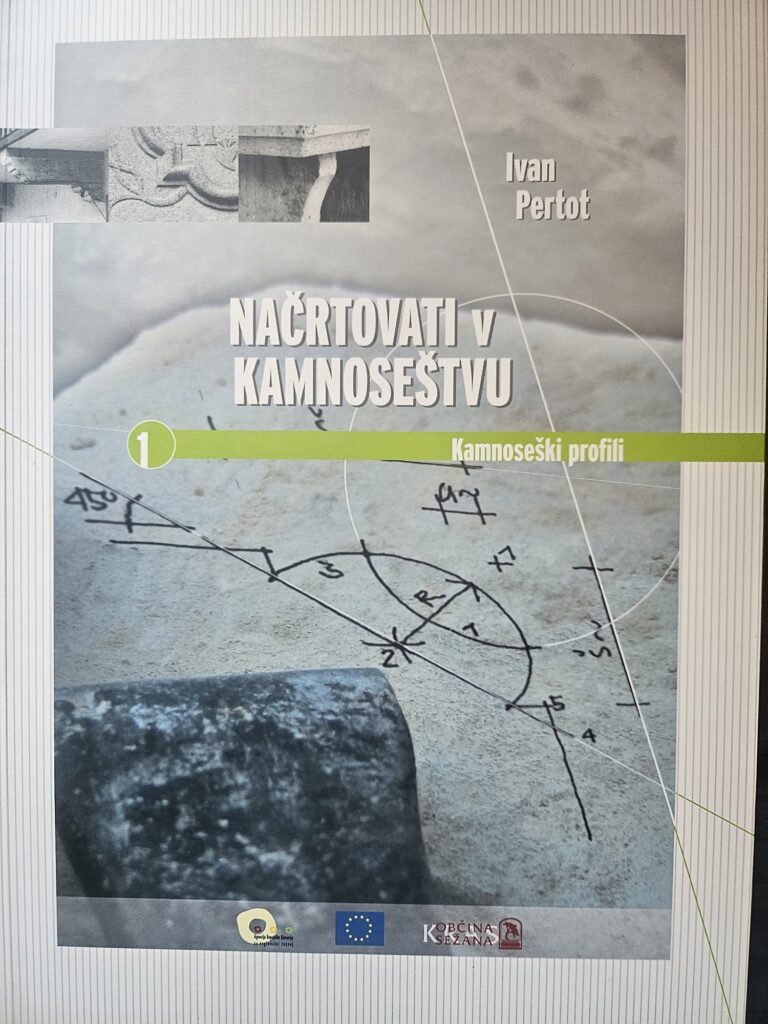
NAČRTOVATI V KAMNOSEŠTVU – Kamnoseški profili 1 (Ivan Pertot)
Cena: 15 EUR
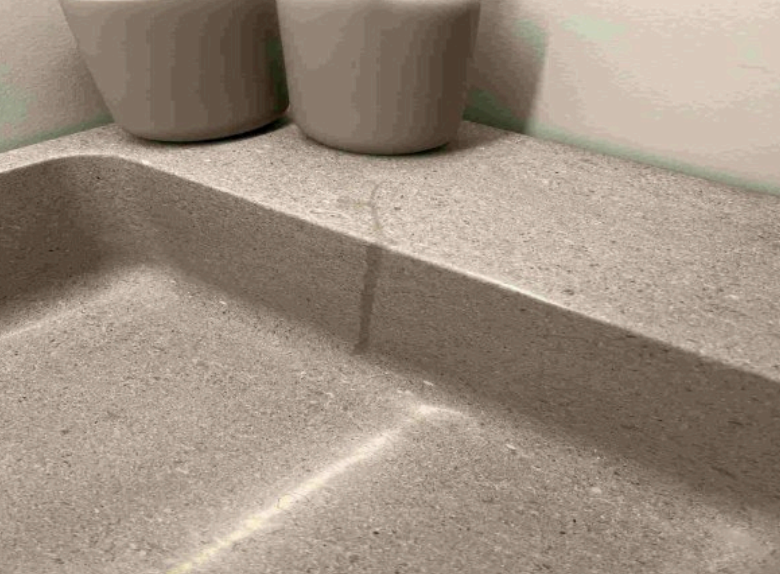
Preparation and preliminary cleaning
First, remove all items from the counter and sink, then clear away any surface dirt. Wipe the surface with a damp cloth to remove loose debris, taking care not to damage it. Next, wet the surface with water, but avoid excessive soaking.
The picture shows an absorbed stain.
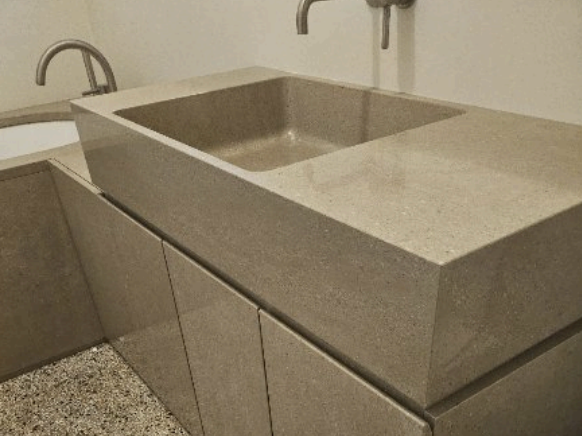
Cleaning with Akemi cleaner
Shake the Akemi stone cleaner well before use. Apply the cleaner directly onto the damp stone surface. You can use a sprayer, sponge, or cloth. Let the cleaner sit for about 10 to 20 minutes. While it works, gently scrub the surface with a soft-bristle brush or sponge to help remove stubborn stains. Do not use wire brushes or sharp tools, as they can damage the stone. Allow the cleaner to take effect, then rinse thoroughly with plenty of clean water. Make sure no cleaner residue remains on the surface.
The picture shows cleaning with the cleaner and the drying time.
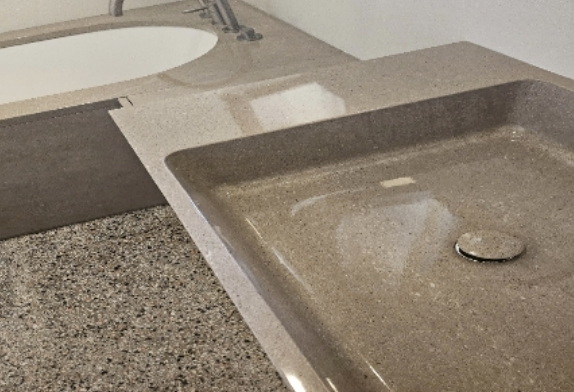
Application of Akemi Nano Effect – impregnation
Before application, the stone must be completely dry; otherwise, the impregnation will not penetrate the pores. Drying usually takes 24–48 hours. Shake Akemi Nano Effect before use and apply it evenly in a thin layer onto the dry surface using a cloth, roller, or brush. Wipe off any excess liquid immediately. It becomes touch-dry after a few hours, with full protection reached after 24 hours. During this time, avoid using the surface or exposing it to water.
The picture shows the applied impregnation.

The picture shows water runoff after impregnation.
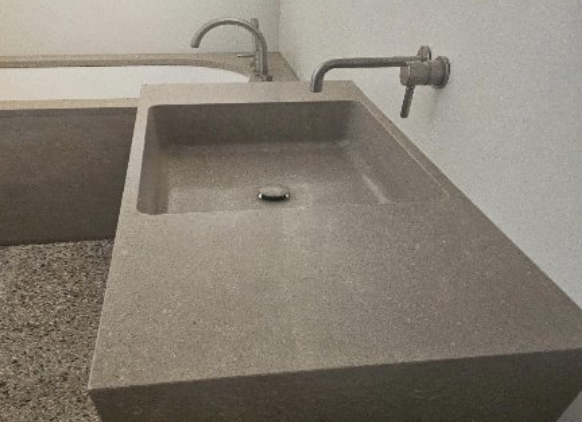
Dried impregnation (final appearance).


At BIHACIT S.E. d.o.o., we work with renowned quarries worldwide to provide top-quality natural stones in various types and finishes. Our wide supplier network gives us access to the highest-grade raw materials, carefully selected to meet the aesthetic and technical demands of each project.
We work exclusively with premium materials that ensure durability, prestige, and timeless elegance in architecture and interior design.
Shown below are approximately 80 stones, while we have around 500+ stones available.

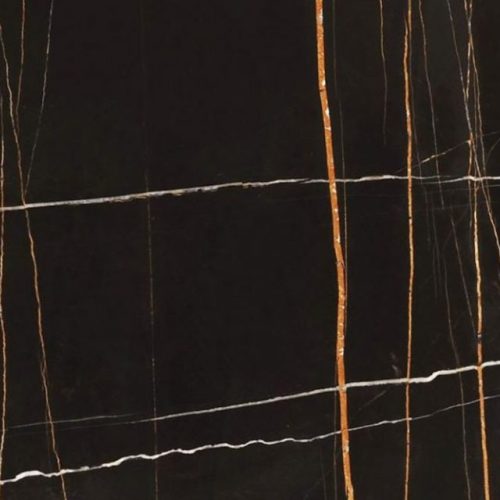
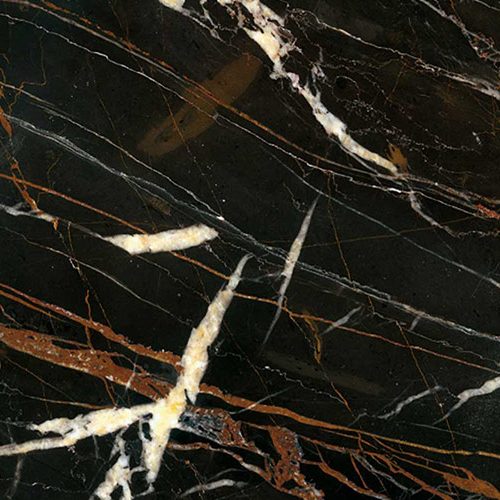

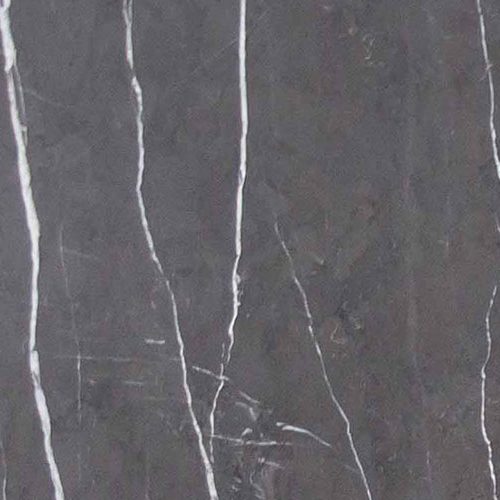
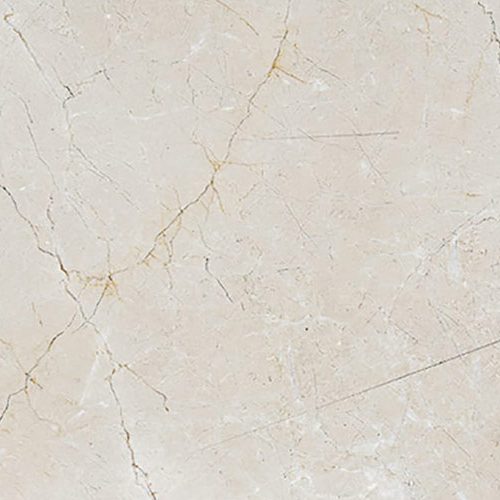
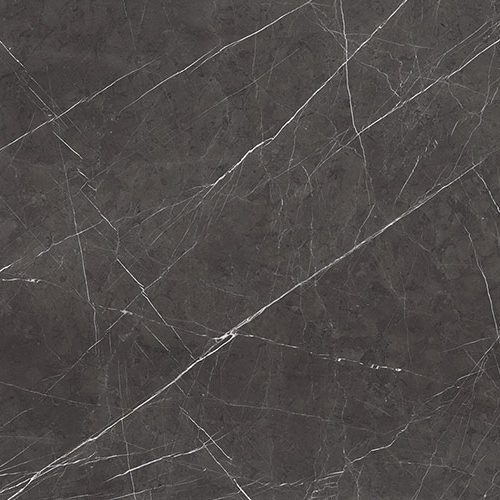
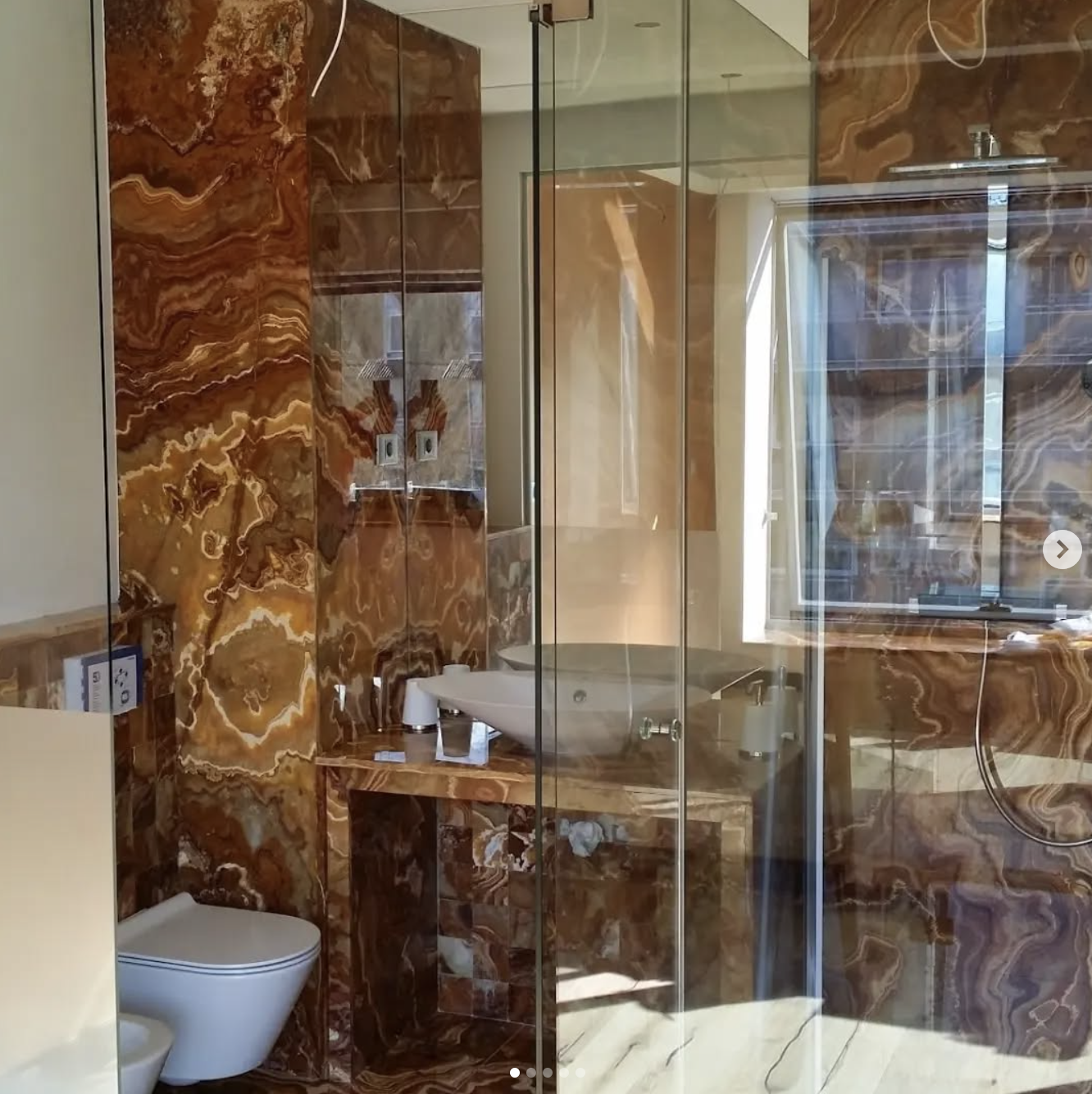
Marble is a metamorphic rock formed from limestone or dolomite under high pressure and temperature. Its distinctive feature is a crystalline structure that gives it a characteristic shine and appearance.
Marble is known for its beauty and elegance, which is why it is often used in construction and art.
It comes in a variety of colors and patterns, from classic white to vibrant shades of red, green, yellow, and even black.
Marble is a relatively soft and porous material, making it sensitive to scratches, stains, and acids. However, with proper care and maintenance, it can be a durable and beautiful choice for various applications.
Construction:
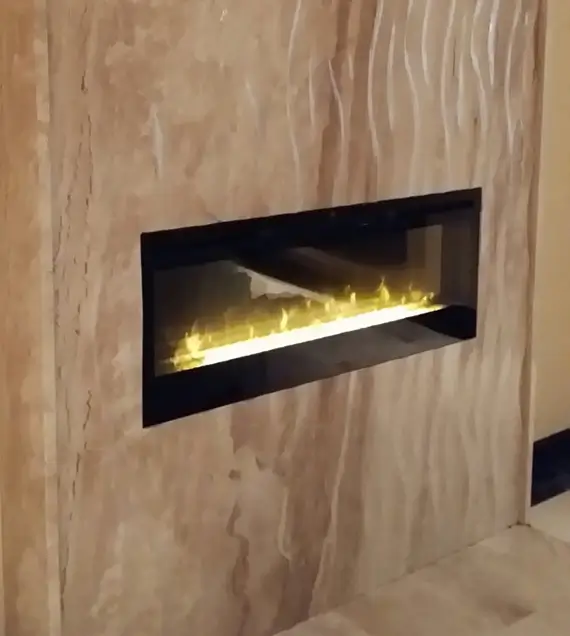
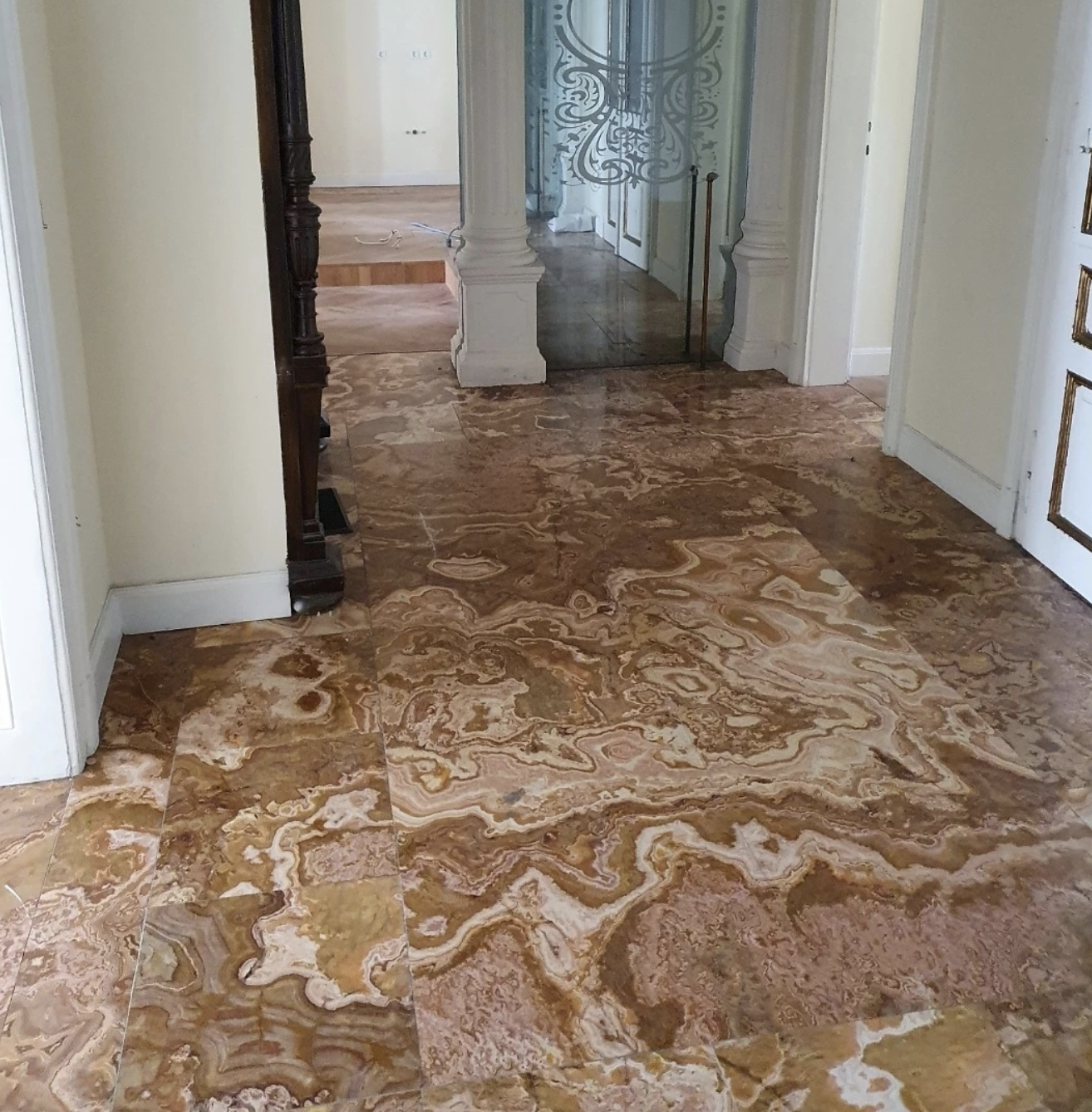
Marble is used for flooring, wall cladding, countertops, stairs, fireplaces, and other architectural elements.
Art
Marble is a popular material for sculptures, reliefs, and other artistic creations.
Decor
Marble is used to create furniture, lighting fixtures, vases, and other decorative items .
– Marble should be cleaned regularly with a soft cloth and a neutral cleaner.
– Avoid using abrasive cleaners and acids, as they can damage the surface.
– Marble should be protected from stains with a sealant.
– It is recommended to polish marble regularly to maintain its shine.
The most famous marble comes from Carrara, Italy.
Marble was a popular material in ancient times, used for building temples, palaces, and other important structures.
Marble is a symbol of elegance, luxury, and prestige.
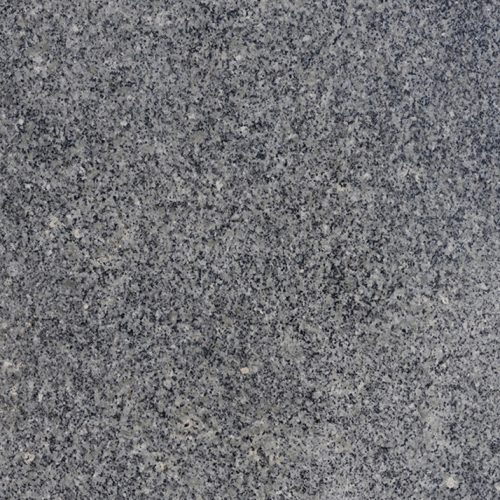

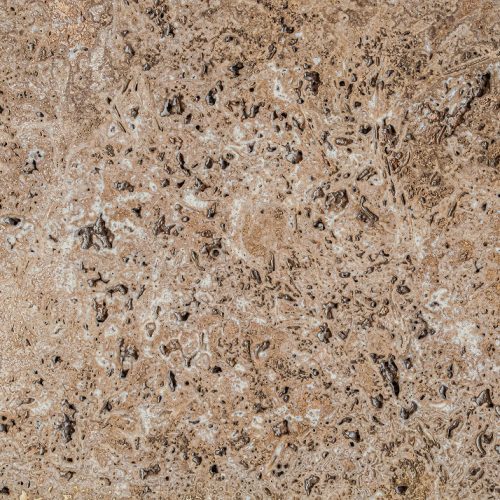
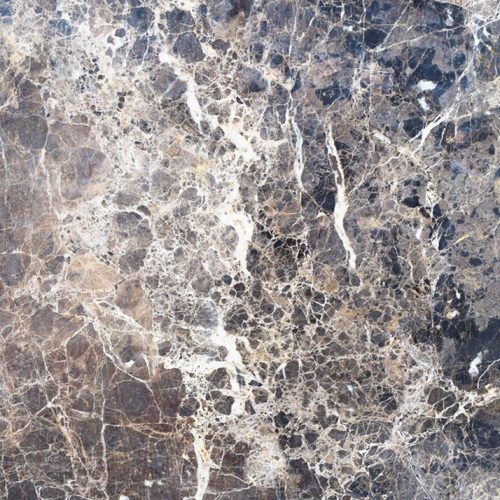

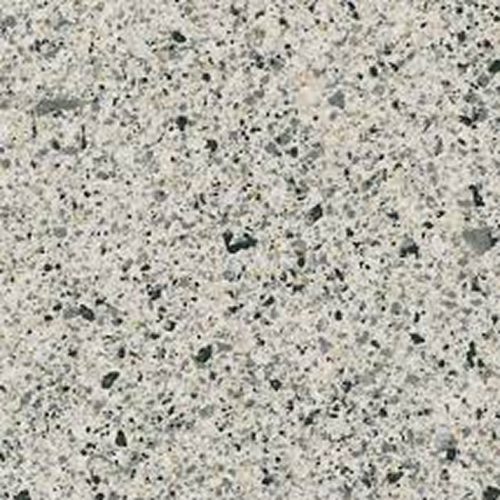
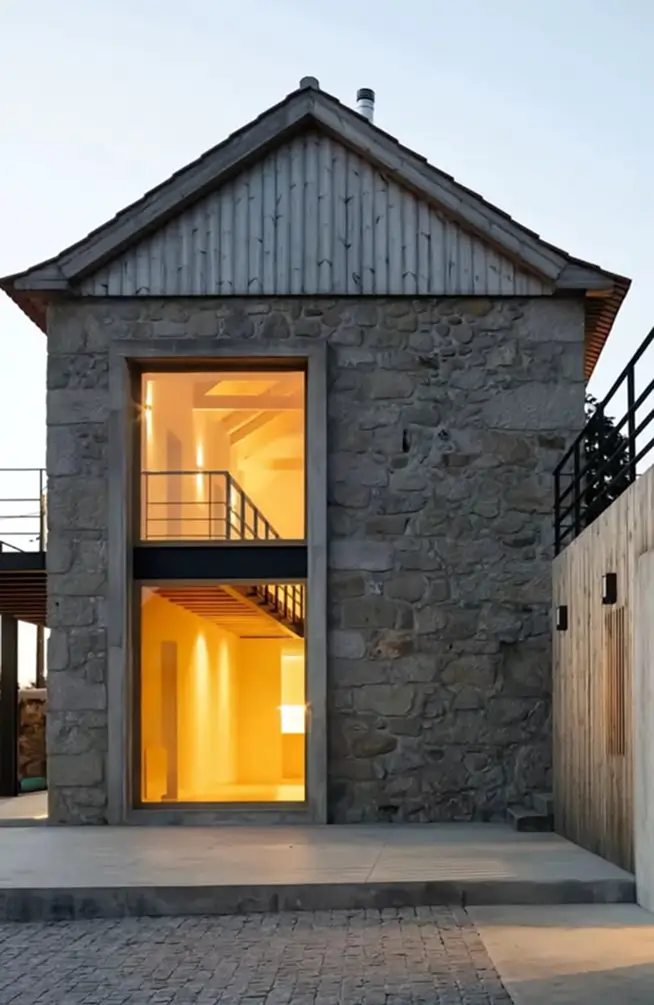
Granite is an igneous rock formed by the slow cooling of magma deep within the Earth's crust. This slow cooling allows large crystals to form, which are visible to the naked eye. Granite is known for its strength, durability, and the variety of colors and patterns, making it a popular material in construction and design.
Granite is mainly composed of three minerals: quartz, feldspar, and mica.
Quartz
Quartz is the most common mineral in granite and gives it its characteristic light color.
Feldspar
Feldspar is the second most common mineral in granite and contributes to its color, which can be pink, gray, or yellowish .
Mica
Mica is a less common mineral in granite, but it can give the stone a shiny appearance.
Strength
Granite is a very hard stone that is resistant to scratches and wear.
Durability
Granite is resistant to weathering and other external factors.
Variety
Granite is available in a variety of colors and patterns, offering a wide selection for different purposes .
Maintenance
Granite is relatively easy to maintain, as it can be cleaned with regular cleaners .
Granite is used for various purposes, including:
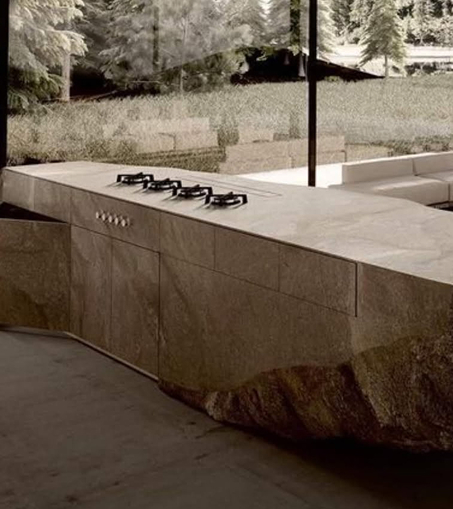
Kitchen countertops
Granite is a popular material for kitchen countertops due to its strength, stain resistance, and easy maintenance.
Bathroom surfaces
Granite is also used for bathroom surfaces as it is resistant to moisture
.
Flooring
Granite is suitable for flooring in various spaces as it is strong and durable.
Wall cladding
Granite can also be used for wall cladding, as it gives the space an elegant look .
Outdoor surfaces
Granite is resistant to weathering, making it suitable for use on outdoor surfaces such as terraces and stairs .
Granite is a versatile material that is used for various purposes due to its properties and diversity. It is an excellent choice for those seeking a strong, durable, and aesthetically pleasing material for their homes or other projects.

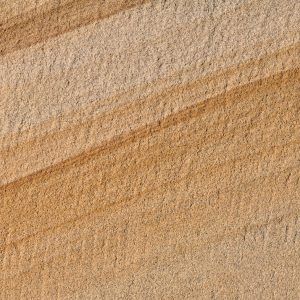



Sandstone is a type of sedimentary rock formed by the deposition and cementation of sand, silt, or clay grains. Its main feature is its granular structure, which is visible to the naked eye. Sandstone is known for its variety of colors, textures, and patterns, making it one of the popular materials in construction and design.
mulja ali gline. Njegova glavna značilnost je zrnata struktura, ki jo lahko vidimo s prostim
očesom. Peščenjak je znan po svoji raznolikosti barv, tekstur in vzorcev, kar ga uvršča med priljubljene materiale v gradbeništvu in oblikovanju.
Sandstone is mainly composed of three types of particles:
Quartz grains
They are the most common type of particles in sandstone and provide it with strength.
Clay
It is a finer type of particle that can give sandstone various colors.
Silt
It is an even finer type of particle that can give sandstone a softer texture.
Strength
Sandstone is relatively hard, but it is softer than granite.
Porosity
Sandstone is a porous material, which means it can absorb water.
Variety
Sandstone is available in various colors, textures, and patterns, offering a wide selection for different purposes .
Wear
Sandstone is relatively resistant to wear, but over time, it can become more susceptible to weathering .
Sandstone is used for various purposes, including
Construction:
Sandstone is used for building walls, flooring, stairs, facades, and other architectural elements.
Landscaping:
Sandstone is used to create paths, curbs, fountains, and other elements in landscaping.
Interior design:
Sandstone is used to create fireplaces, countertops, wall cladding, and other elements in interior design.
Sandstone is a versatile material that, due to its properties and variety, is used for various purposes. It is an excellent choice for those looking for a natural, beautiful, and durable material for their projects.
We recognize the importance of preserving and passing on traditional stonemasonry skills to new generations. That’s why we actively collaborate with the renowned Stonemasonry School in Pučišća on the island of Brač, Croatia, where we support the education of young stonemasons and stone design masters.

We are also members of the EACD – European Association of Building Crafts and Design, which brings together top European craftsmen and experts in the fields of construction, restoration, and design of natural stones.

Our work is based on respecting heritage and passing on knowledge, as confirmed by the title of MOJSTER FACTUM, which is awarded only to the most experienced masters in the industry MOJSTER FACTUM.

The Renaissance and Baroque were two important artistic periods that left their mark on the use and depiction of marble. Marble is a highly popular building material that was used for various purposes.
In both periods, marble was used to create various artworks, including sculptures, reliefs, fountains, columns, pilasters, and other architectural elements.
Renaissance artists often depicted mythological and religious themes, while Baroque artists also focused on portraits and allegorical scenes.
Marble was highly valued in both periods, but artists used it in different ways to express their artistic ideas and aesthetic values.
In the Renaissance, marble was primarily used to create elegant and balanced structures. It was valued for its beauty, purity, and durability, which aligned with the Renaissance ideals of harmony and perfection.
Use of marble in Renaissance architecture:
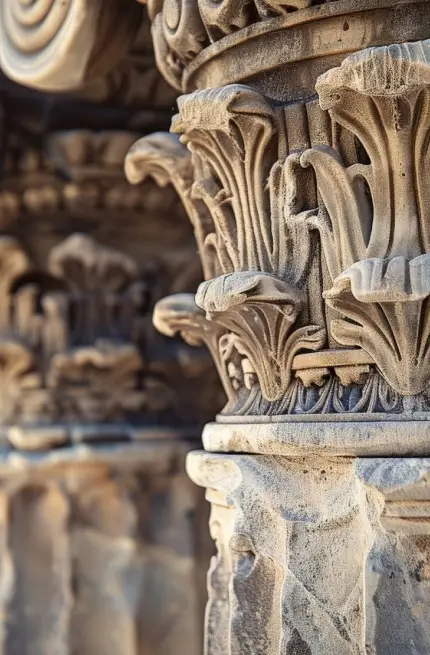
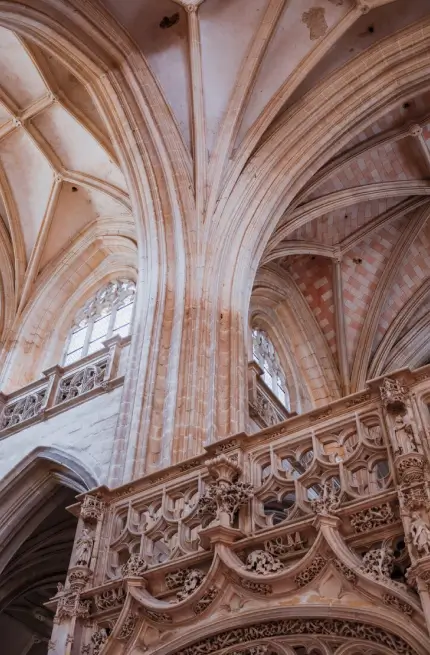
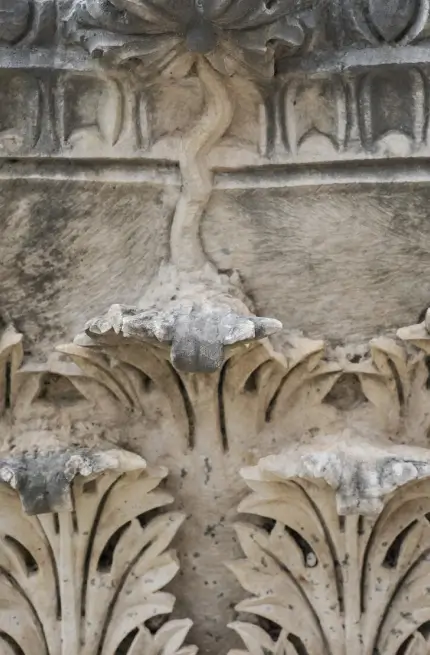
In the Baroque period, marble continued to be used in architecture, but in a more dramatic and emotional way. Baroque buildings were often more dynamic and full of movement compared to Renaissance structures.
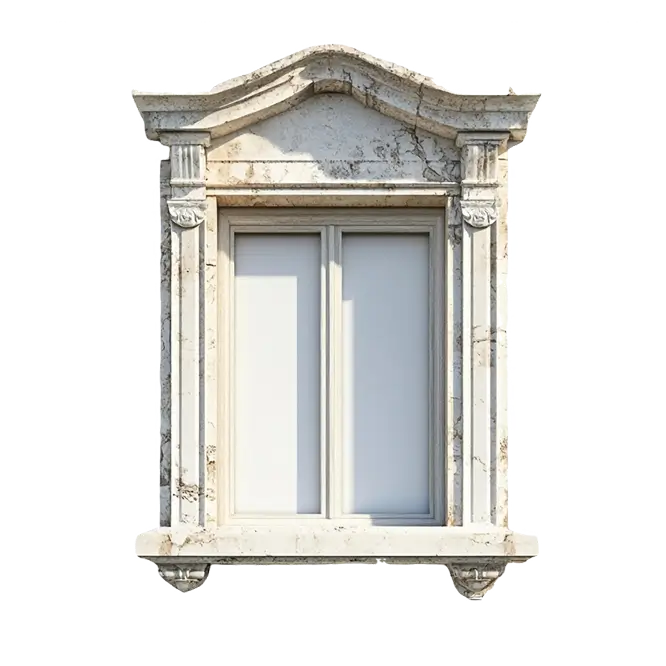
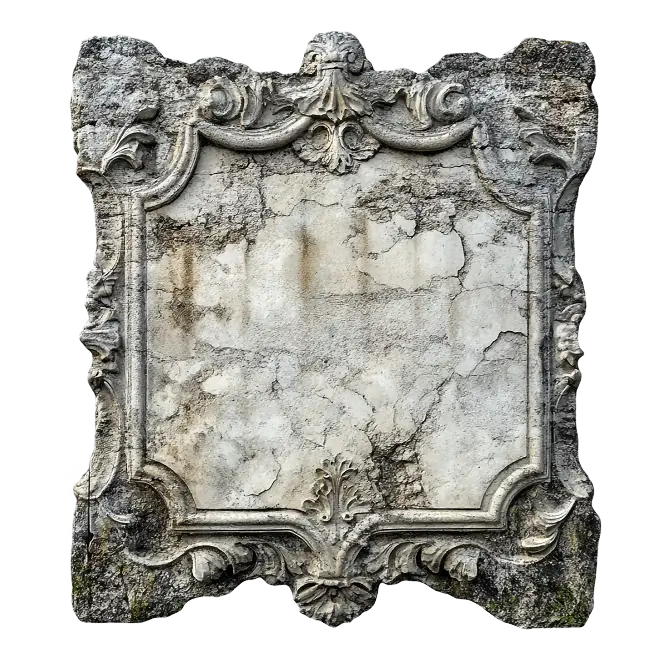
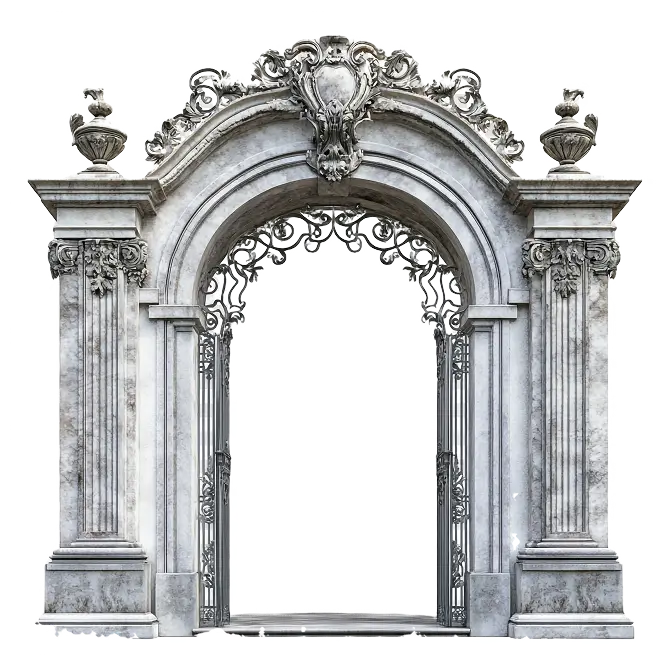
Use of marble in Baroque architectur:
The name Bihacit originated during Austro-Hungarian rule in Bosnia and Herzegovina, when the Austrians began exploiting this natural resource through the newly established company Landatestein Industrie Bihacit in 1878, Sarajevo. The name likely comes from the town of Bihać, located on vast deposits of this stone.
Bihacit is a type of limestone found near Bihać in Bosnia and Herzegovina. It is soft and easy to work with, making it a popular choice in construction and sculpture. Bihacit is known for its light yellow color and porous structure.
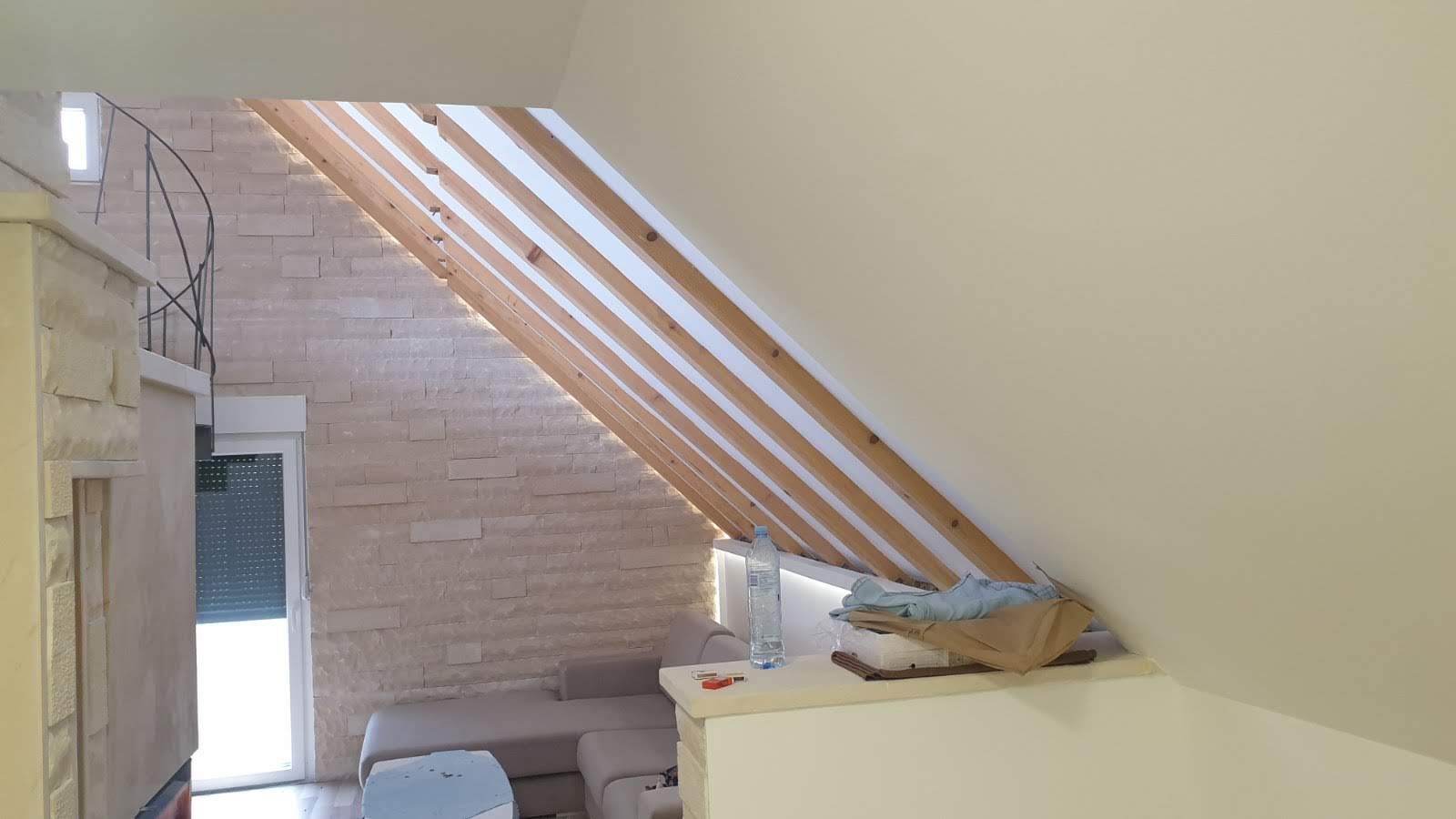
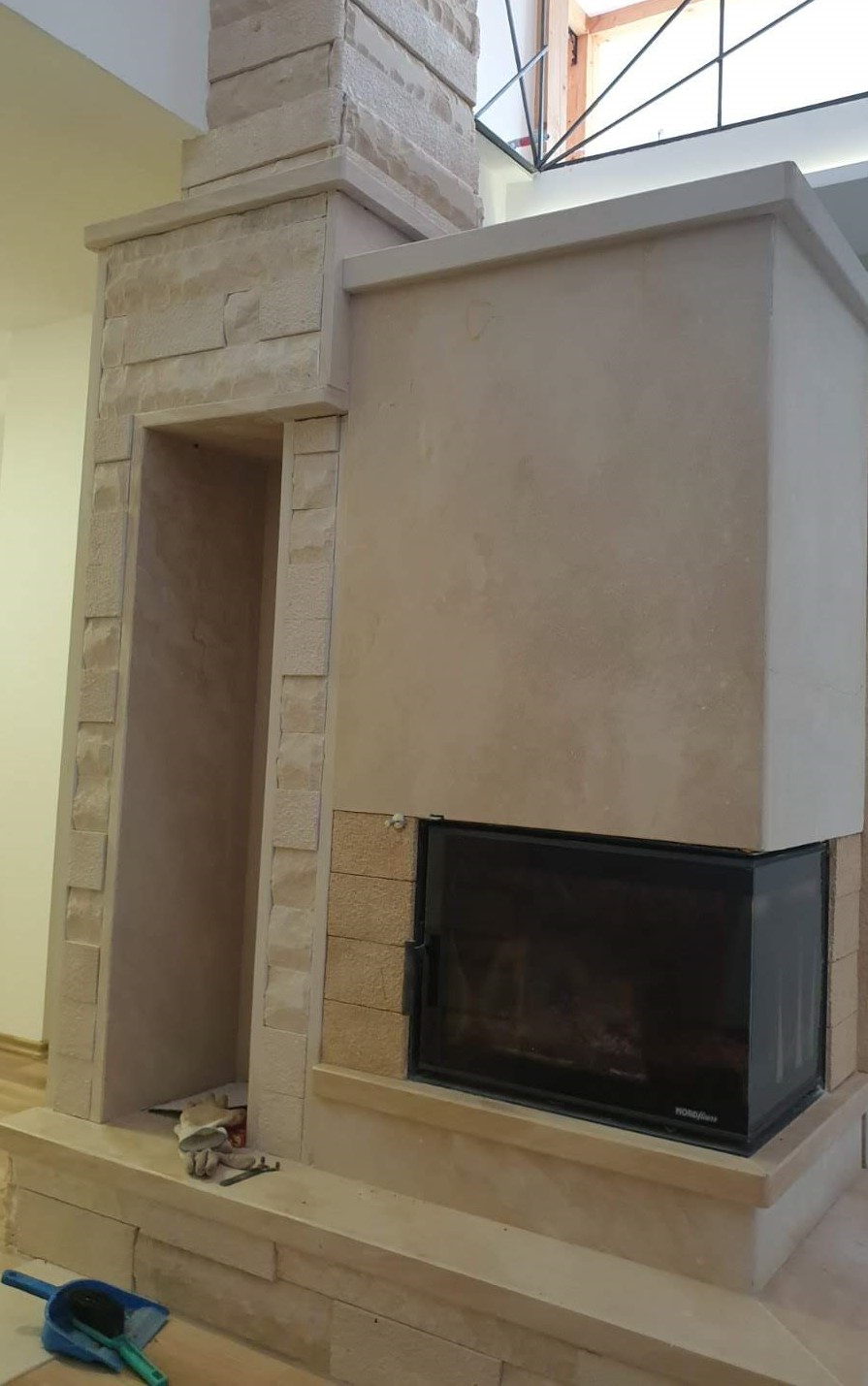
Bihacit stone is a type of limestone quarried in the Bihać region of Bosnia and Herzegovina. Known for its softness and light color, it is a popular construction material. Bihacit is commonly used for façades, walls, and other exterior building elements. It’s also widely used for interior features such as fireplaces, countertops, columns, portals, and shelves.
Bihacit stone has a long history of use in construction. As early as the Middle Ages, it was used to build fortresses and other significant structures. In the centuries that followed, it was also used in the construction of residential houses and various other buildings.
Due to its softness and ease of processing, Bihacit is a popular construction and decorative material.
It is used for
Facades
Cladding of exterior walls of buildings.
Interior cladding
Wall cladding, floor tiles.
Decorative elements
Columns, fences, sculptures.
Sculptural products
Various sculptures and artistic pieces. It is used in both traditional and modern architecture .
Color
Typically light yellow, sometimes with slight shades of brown or gray.
Structure
It has a porous and perforated structure, giving it a distinctive appearance.
Hardness
A soft stone, easy to work with.
Composition
Primarily calcite (calcium carbonate).
Bihacit is quarried in the vicinity of Bihać, from where it also derives its name.
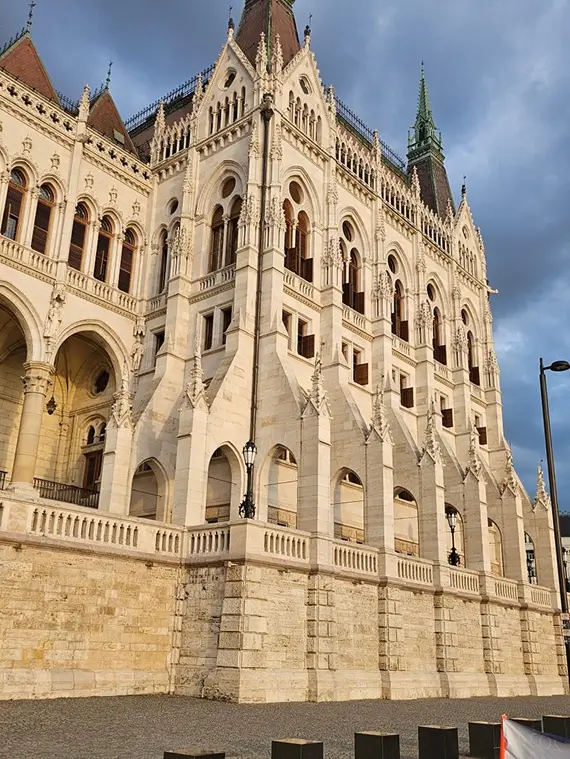
Bihacit has been used in the construction of many famous buildings, such as the Parliament in Budapest, the Vienna Opera House, and St. Stephen's Cathedral.
Due to its porous structure, Bihacit absorbs water well, so it must be properly protected from moisture.
Bihacit is a popular material for restoring old buildings, as it blends well with original materials.
Color
Light yellow, sometimes with slight shades of brown or gray.
Structure
It has a porous and perforated structure, giving it a distinctive appearance.
Hardness
A soft stone, easy to work with.
Density
Relatively small, which makes transportation and installation easier.
Chemical properties
Composition: Predominantly calcite (calcium carbonate).
Reactivity: It reacts with acids, so it must be protected from them.
Bihacit is a chemically pure limestone containing 95-97% calcium carbonate (CaCO3) and 3-5% organic matter.
GŽ CaO MgO CaCO3 MgCO3 S P2O5 R2O3 TiO2
39,80 54,30 1,20 96,60 2,50 0,14 0,002 3,90 0,04
Compressive strength in dry state: 33.6 MPa
Compressive strength in water-saturated state: 32.7 MPa
Mpa Tlačna trdnost po 25 ciklih
zamrzovanja. 32,6 Mpa
Abrasion resistance: 26.8 cm³ / 50 cm²
Water absorption: 6.7%
Edge impact resistance: 17.9%
Abrasion resistance “Los Angeles”: 28.4%
Freeze stability: Stable
Porosity: 8.6%
Density: 0.91 g/cm³
Bulk density: 2.45 g/cm³
Specific gravity: 2.68 g/cm³
Sulphide and sulfate content: 0.26%
Source: Federal Geological Institute, Sarajevo
REVITALIZATION OF ARCHITECTURAL –
CONSTRUCTION STONE PRODUCTION BIHAČIT – BIHAĆ (BinH)
Workability
Easy to shape using various tools and techniques.
Water absorption
Due to its porous structure, it absorbs water well, so it must be properly protected from moisture.
Trajnost
Kljub svoji mehkobi je razmeroma trajen in odporen na vremenske vplive, če je ustrezno zaščiten.
PROS
Aesthetic appearance: Its light yellow color and porous structure give it a unique and attractive look.
Easy to work with: Its softness allows for easy shaping, making it ideal for creating various forms and intricate details.
Good availability: Bihacit deposits are relatively common, ensuring easy access to the material.
CONS
Water absorption: Its porous structure allows it to absorb water, which can lead to damage if not properly sealed.
Sensitivity to acids: It reacts with acids, so it must be protected from exposure to them.
Lower hardness: Compared to other types of stone, it is less hard and therefore more prone to mechanical damage.
Despite some drawbacks, Bihacit remains a popular material in construction and sculpture thanks to its aesthetic appeal, ease of shaping, and good availability.
It is concerning that, despite its wide range of uses, it is being used less and less in architecture. Younger generations of architects mostly ignore it, and it is in the attitude of designers toward this material that we must look for the reasons for its inadequate and insufficient use. They are about 900 meters apart in a straight line and are considered the most endangered, as they are threatened by the urbanization of nearby roads and industrial buildings
.
Today, BIHACIT STONE is merely a rarity.
Stonemasonry, one of the oldest crafts in the world, is a fusion of art, physics, and history. For thousands of years, stonemasons have shaped stone into magnificent structures, from mighty castles to delicate sculptures. Today, in the age of industrial production, craftsmanship in stonemasonry retains its value as a treasured skill that honors both the material and tradition.
Over time, the craft evolved, as seen in magnificent structures such as the pyramids in Egypt, Roman aqueducts, and medieval cathedrals. All these structures were built through the exceptional skill and precision of stonemasons. Every stone was hand-carved, requiring immense time, effort, and knowledge. In Slovenia, stonemasonry has left a deep mark. From medieval castles to Baroque palaces, stonemasons shaped works with their hands and tools that we still admire today. Although tools and techniques have changed, the essence of stonemasonry—the transformation of raw stone into a work of art—remains unchanged.
Craftsmanship in stonemasonry is the art of working stone with hand tools. Unlike industrial production, where machines dominate, each piece is shaped individually through manual work. This allows the stonemason to fully understand the characteristics of the material and bring out the best in it. The artisanal approach emphasizes the uniqueness of each creation and preserves a living connection with the past.
In the past, stonemasonry was entirely manual work. Masters had only a few simple but essential tools: hammers, chisels, saws, and grinders. Each piece of stone was shaped and carved by hand, requiring tremendous physical strength, patience, and precision.
Hand carving
With hammer and chisel, masters created details that we still admire today on churches, castles, and monuments.
A lengthy process
Shaping a single piece could take weeks or even months. There were no machines to speed up the work, so the final product was the result of long and meticulous manual labor.
Recognized identity
Craftsmen were often respected and recognized for their work. They belonged to guilds that preserved knowledge and tradition.
Modern stonemasonry is a combination of craftsmanship and advanced technology. Although some tasks are automated, manual work still plays a key role, especially in creating unique and high-quality pieces.
Modern toolsToday’s stonemasons have access to grinders, water saws, CNC machines (computer-controlled machines), and 3D scanners. These machines speed up rough processing and provide a level of precision that was once unimaginable.
Hand finishingDespite the use of machines, finer details and final finishing are still done by hand. This includes polishing, grinding, and carving
details that give the stone its unique appearance.
RestorationArtisanal knowledge is especially important in restoring old stone monuments. Here, manual work is required to reconstruct
unique forms that machines could not replicate.
The history of stonemasonry is closely linked to the development of civilization. From the Egyptian pyramids to Roman temples, stonemasons played a key role in building monumental structures. In the Middle Ages, they shaped magnificent Gothic cathedrals, where their guilds became centers of knowledge and progress.
Today, craftsmanship in stonemasonry is often used in the restoration of old structures and the preservation of cultural heritage. Stonemasons apply traditional techniques and tools to recreate missing parts or repair damage in a way that remains consistent with the original.
Artisanal stonemasonry requires specific knowledge and a range of tools that have been refined over the centuries. Stone selection: The first step is choosing the right stone, which requires an understanding of the material’s geological properties.
Not every stone is suitable for every purpose.
Rough carving (splitting)The initial stage of processing, where iron tools, a hammer, and a point chisel are used to remove larger portions of stone to approximate the desired shape.
Fine carving (shaping)Using smaller tools such as chisels, the stone is given precise shape and texture.
Grinding and polishingAfter the final shaping, the surface is polished with grinding stones of varying coarseness, achieving a smooth and shiny finish.
In addition to these basic techniques, stonemasons also use methods such as relief carving for decorative elements and engraving for inscriptions and details.
Craftsmanship in stonemasonry is more than just a trade; it is an art that unites the past with the present. It is a bridge connecting traditional techniques and skills with modern technology. That is why stonemasonry today is especially important in the field of restoration, where we preserve our cultural heritage, and in the creation of
unique works of art and functional pieces for the modern home.
Today, craftsmanship in stonemasonry is a blend of past and present. Machine processing makes the work easier, while handcrafting gives it soul and uniqueness. This allows stonemasons to continue creating high-quality, durable works that withstand the test of time.
In today’s modern world, craftsmanship in stonemasonry is highly valued. Stonemasons create unique pieces such as tombstones, stone sculptures, fireplaces, fountains, and other architectural elements.
Artisanal stonemasonry is not just a profession but a passion and a form of respect for nature. It is an art that preserves tradition and passes knowledge from generation to generation.
It allows us to appreciate each piece of stone as unique and valuable.
By preserving artisanal skills, we also preserve a part of our history and identity.
Stone sculpture, a skill reaching back thousands of years, is an art that awakens delicate forms from raw and powerful material. From ancient Greek statues,
which celebrated the gods, to modern abstract forms, stone sculpture remains one of the most demanding and purest art forms.
Stone carving is one of the oldest forms of sculpture. Prehistoric humans used stone to make tools, and later the first civilizations, such as the Egyptians and Greeks, mastered the technique and elevated it to an artistic level. Egyptian sculptors created colossal statues, while the Greeks achieved exceptional precision and realism, which became the foundation for all Western sculptural development.
In the Middle Ages, stone carving was mainly dedicated to religious motifs on churches and cathedrals, while the Renaissance brought forth Michelangelo, who with works such as David demonstrated that stone could achieve a perfect balance of strength and grace.
Among the many masters of stone sculpture, Auguste Rodin, a French sculptor of the 19th century, also stands out. Although he was famous for his bronze works, Rodin was a master of marble as well. His piece The Kiss, originally in bronze but later also in marble, captures passion and sensuality embodied in cold stone.
Creating a sculpture from stone is a long and demanding process that requires great patience, knowledge, and physical strength.
Stone selectionIt all begins with selecting the right stone. The sculptor must understand the characteristics of each type, such as hardness, texture, and color. Marble, for example, is softer and allows for precise details, while granite is extremely hard.
ModelingBefore working on the stone, the sculptor often first creates a model from clay, wood, or wax. This model serves as a template and helps in visualizing the final form.
CarvingThe main phase is the removal of stone, piece by piece. It begins with rough carving, where heavy hammers and chisels are used to remove larger sections. This is followed by fine carving, where smaller and more precise tools are employed to create details and the final form.
Grinding and polishingOnce the sculpture has taken its final shape, the surface is smoothed with grinding stones of varying coarseness. This process can take weeks or even months, depending on the desired effect. Polishing follows, giving the sculpture a glossy finish that highlights the beauty of the stone.
In contemporary sculpture, stone still plays an important role. Modern sculptors use traditional techniques but combine them with new ideas and themes.
The focus is often on abstract and minimalist forms that highlight the natural qualities of the stone. Stone sculpture is not just a profession but a dialogue between the artist and the material. It is an art that requires respect for nature and the past. With their hands, the artist breathes soul into the stone and preserves it for future generations.
Antiquity
Myron (5th century BC): One of the most important Greek sculptors, known for his statue Discobolus (The Discus Thrower). His work reflected the ideal of beauty and the perfection of the human body.
Renaissance
Michelangelo (1475–1564): Considered one of the greatest artists of all time. He was known for his ability to carve magnificent and realistic figures from stone,
figures such as David and the Pietà. His work is a symbol of perfection and mastery.
Donatello (c. 1386–1466): One of the pioneers of the early Renaissance, known for works that emphasized realism and drama. His statue of Mary Magdalene was carved from wood, but he was also a master in working with stone.
19. stoletje
Auguste Rodin (1840–1917): A French sculptor who blended realism and impressionism in his works. Although best known for his bronze pieces, he was also a master in working with marble. His works The Kiss and The Thinker are among the most recognizable in world art.
Constantin Brâncuși (1876–1957): A Romanian sculptor who worked in Paris. He is considered one of the pioneers of modernism. His works are minimalist and abstract, such as Sleeping Muse and The Kiss.
20th century
Henry Moore (1898–1986): A British sculptor known for his monumental abstract and figurative sculptures. His works often represented the human body and natural forms such as stones and trees.
Barbara Hepworth (1903–1975): A British sculptor who collaborated with Henry Moore. Her works were minimalist and abstract, yet emphasized natural forms and the texture of stone.
Tone Demšar (1946-2020)
Tone Demšar was one of the most important Slovenian sculptors. He was known for his strong connection with nature and the material. His works were often monumental and blended perfectly
merge with their surroundings. Demšar mainly worked with limestone and marble. His sculpture “Stone,” located at Brdo pri Kranju, is a good example of his work, where the rawness and beauty of the stone intertwine in an exceptionally powerful and expressive form. Demšar was a master of classical carving, yet he always sought a modern expression in his works. His sculptures convey respect for stone and a sensitivity to its “soul,” which is the essence of true stone sculpture.
Early Modernism
Franc Berneker (1874–1932): Considered the founder of modern Slovenian sculpture. His most famous work is the Trubar Monument in Ljubljana. With his realistic and expressive style, Berneker influenced an entire generation of sculptors.
Alojzij Gangl (1859–1935): The first formally trained sculptor in Slovenia, who worked in the Czech lands. His works are characterized by strong academicism and idealism,
and he often depicted religious and historical motifs.
20th century
Boris Kalin (1905–1975): One of the most important sculptors of the mid-20th century. His works are recognizable for their simplicity and elegance, achieved through the smoothing of stone surfaces.
Janez Lenassi (1927–2008): A master of monumental sculpture who created works at both domestic and international symposiums. His abstract sculptures, often made from Istrian stone, are in harmony with nature and space. He was one of the initiators of the international Forma Viva symposiums.
Negovan Nemec (1947–1987): An artist who left a strong mark on Slovenian sculpture with his expressive and passionate stone creations. His works are full of movement, energy, and emotion.
Jakov Brdar (b. 1949): A contemporary sculptor known for his figurative and expressive works. His sculptures, often of supernatural dimensions, are infused with mythological and emotional themes.
Jiři Bezlaj (b. 1949): A sculptor who explores the intimate relationship between the artist and the material in his work. His sculptures, often small in scale, are
philosophical and emphasize the inner beauty of the stone.
Sculpture and Architecture
Jože Plečnik: The Architect Who Breathed with Stone
Jože Plečnik (1872–1957) was a Slovenian architect who left a profound mark on Ljubljana and Slovenian architecture. Although not a sculptor, his role in stonemasonry and sculpture is highly significant. His work was deeply connected to stone, which he considered a key element of architectural expression. Plečnik held great respect for stone and worked as a true modern architect-craftsman. He recognized stone as a living material and treated it with exceptional care. For him, stone was more than just a building material; it was an artistic canvas on which he created.
Plečnik’s relationship to stone and sculpture
Plečnik integrated sculpture into his architectural works. He collaborated with the best stonemasons of his time and often personally supervised the entire process, from
selecting the stone in the quarry to the final finishing. His buildings, such as the National and University Library, the Triple Bridge, and Žale, are filled with stone details that are almost sculptural.
Triple Bridge: In this work, stone is the key element, creating a unique visual impression and refined form.
National and University Library: In this building, Plečnik used different types of stone, giving the space a special atmosphere and strong symbolic meaning.
Žale Cemetery: In Plečnik’s architecture of Žale, stone is used as the primary material, emphasizing symbolism and respect for the deceased.
With his work, Plečnik set high standards in stone craftsmanship and influenced an entire generation of stonemasons and sculptors. This makes him an exceptionally important figure in the history of Slovenian sculpture and stonemasonry, as he was one of the few architects who used stone as an artistic material and not merely as a building one.
Na vašo željo se lahko potrudimo, da poskusimo dobaviti tudi specifično vrsto in obliko kamna. Pomembno je poudariti, da se izdelava ponudbe, ogledi objekta in svetovanje zaračunavajo.
Kamen je naravni material, zato se plošče med seboj razlikujejo – vsaka je unikat. Pred naročilom vam pošljemo sliko izbranega materiala, da se prepričate, ali ustreza vašim željam.
For more information, contact us via the form below.
Company name:
BIHACIT STONE EXPERT, strokovnjaki za kamen, izvedbo,
izvedeništvo, izobraževanje in restavriranje, d.o.o.
Mail:
Info.bihacit@gmail.com
Short name PRS
BIHACIT S.E. d.o.o.
Address
Klenovo 2
Settlement
Klenovo
Postal code
3272 Rimske Toplice
Municipality
Laško
Administrative unit
LAŠKO
Statistical region
SAVINJSKA
ID number
9596496000
VAT number SI
90479459
VAT payer
Yes (SI90479459)
© 2024 BIHACIT STONE EXPERT, strokovnjaki za kamen, izvedbo, izvedeništvo, izobraževanje in restavriranje, d.o.o.
All rights reserved. Some images are symbolic.
Bihacit 1878 as a brand has been protected since 2021 by the Institute for Intellectual Property.
All rights to the use of the name and logo are protected based on the Decision issued by the Institute for Intellectual Property from year 2019.ODB:2021/5165.
-
 English
  Slovenščina